Category: Cleaning

  • Pool Losing Water in Texas? How to Tell If It’s Evaporation or a Leak

    Pool Losing Water in Texas? How to Tell If It’s Evaporation or a Leak

    If your pool is losing water during a Texas summer, it’s natural to wonder whether it’s simply evaporation or a leak. In Texas, the most common causes of pool water loss are evaporation, everyday pool use, and leaks. While evaporation is expected during the summer, excessive or unexplained water loss may indicate a problem that needs attention.

    This article walks you through what’s normal, what’s not, and how to figure out which situation you’re actually in. Identifying the cause early helps protect both your pool and your water bill.

    Understanding Pool Water Loss

    Pool water loss occurs when water leaves your pool through evaporation, normal use, or leaks. Your pool can even lose water for more than one reason, but not all of them are problems. Some are just part of owning a pool in Texas heat, while others truly need fixing.

    Why Is My Pool Losing Water?

    If your pool is losing water, the cause usually falls into one of two categories: normal water loss from everyday conditions or water loss caused by a leak or equipment problem.

    Natural causes include:

    • Evaporation — During the hottest parts of the Texas summer, especially when temperatures stay above 95°F, pools naturally lose water through evaporation. Wind, low humidity, direct sunlight, and warm water temperatures can all increase evaporation, making water loss more noticeable.
    • Splash-out — Active swimming naturally sends water over the pool’s edge. Kids, dogs, and energetic pool games can all contribute to water loss.
    • Backwashing — If you have a sand or DE filter, backwashing removes debris from the filter but also sends some pool water to waste. (Cartridge filters do not require backwashing.)

    Abnormal causes are a different case:

    • Leaks — Cracked plumbing, damaged fittings, failing equipment, or structural cracks can all cause your pool to lose water faster than normal evaporation.
    • Structural issues — Soil movement, deteriorated vinyl liners, cracked skimmers, or damaged pool shells can create leaks that lead to steady, unexplained water loss.

    What Pool Water Loss Means and How to Spot It

    A dropping water level simply means your pool is losing water faster than it’s being replaced. The next step is determining whether that rate of water loss falls within the normal range.

    To observe and track it:

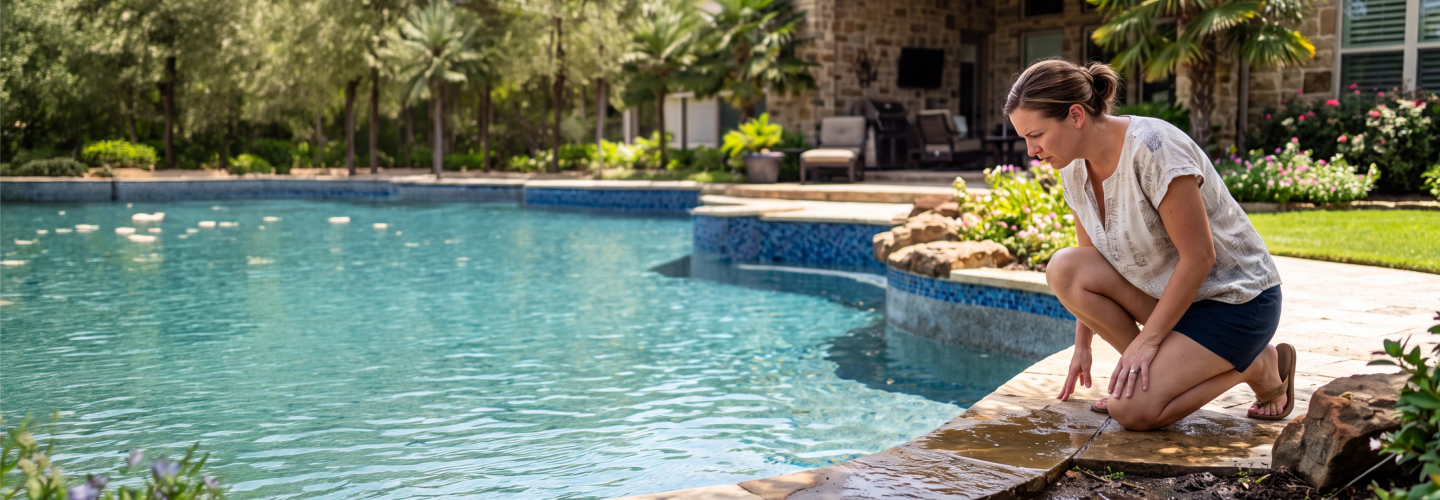
    • Mark the waterline on your pool tile or skimmer with a piece of tape
    • Check it at the same time every day — morning works well before the sun affects the reading
    • Use a ruler or tape measure to record how many inches have dropped over 24 hours

    During a typical Texas summer, many pools lose about 1/8 to 1/4 inch of water per day through evaporation. During periods of extreme heat, low humidity, and windy conditions, evaporation can occasionally approach 1/2 inch per day. If your pool consistently loses more water than expected for the weather conditions, or the loss continues despite cooler or calmer weather, it’s worth investigating for a possible leak.

    How Much Pool Water Loss is Normal in Texas Summers?

    Most Texas pools lose about 1 to 2 inches of water per week during a typical summer, although periods of extreme heat, dry air, and persistent wind can temporarily push evaporation closer to 3 inches per week.

    Evaporation Rates in July: The Texas Perspective

    July in Texas brings three conditions that speed up evaporation: high heat, low humidity in many regions, and wind. Together, these conditions significantly increase evaporation rates.

    • Temperatures across much of Texas regularly exceed 95°F during July.
    • During drier periods, lower humidity allows moisture to evaporate from the pool surface more quickly.
    • Even light winds continually move moist air away from the water’s surface, increasing evaporation.

    Here’s what that actually looks like in practice:

    • Daily loss from evaporation: somewhere between 1/8 and 1/4 inch, which adds up to roughly 1 to 2 inches per week.
    • Under typical July conditions, this equals roughly 1 to 2 inches of water loss per week.

    For a standard 16×32-foot pool, every inch of water equals approximately 320 gallons. Losing 2 inches per week means replacing roughly 640 gallons of water from evaporation alone.

    When Does Water Loss Become a Concern?

    Water loss becomes a concern when it exceeds what normal weather conditions and regular pool use can reasonably explain. In most cases, consistently losing more than 2 inches per week deserves further investigation.

    Signs your pool that’s losing water may point to something beyond evaporation:

    • The water level drops more than 1/4 inch per day consistently under typical summer conditions.
    • Wet or soggy ground around the pool area that isn’t from splash-out or irrigation.
    • You’re refilling the pool far more often than usual
    • Persistent air bubbles are coming from the return jets, especially alongside noticeable water loss.
    • The pump loses prime or begins drawing air because the water level has dropped below the skimmer.

    If any of these warning signs show up, don’t wait, since leaks often become more expensive to repair over time.

    Is It Evaporation or a Leak? How to Tell the Difference

    One of the more practical ways to check whether your pool water loss is due to evaporation or a leak is the bucket test. No special equipment is required, and you’ll usually have an answer within 24 hours.

    The Bucket Test Explained

    The bucket test compares how much water evaporates from your pool with how much evaporates from a bucket sitting under the same conditions.

    Here’s how to run it:

    • Fill a straight-sided bucket about three-quarters full with pool water.
    • Place the bucket on a pool step so it’s partially submerged and stable, with the water inside at roughly the same level as the pool water outside.
    • Mark the water level inside the bucket with tape or a marker. Then mark the pool’s water level on the outside of the bucket.
    • Turn off any automatic water-fill system so it doesn’t replace lost water during the test.
    • Leave the pool operating under its normal conditions for 24 hours. Avoid swimming or adding water during the test.
    • Compare the two water levels after 24 hours.

    Avoid performing the test during rain or unusually windy conditions, as both can affect the results.

    Reading the results:

    • If the pool water drops noticeably more than the bucket water, the pool is likely losing water from something other than normal evaporation.
    • If both water levels drop by about the same amount, evaporation is the most likely explanation.

    The bucket test won’t pinpoint the exact location of a leak, but it can tell you whether further investigation is needed.

    Other DIY Leak Detection Methods

    If the bucket test result suggests that there’s a leak, a few more checks can help you get closer to the source before calling anyone.

    Visual inspection:

    • Look for cracks around the pool shell, tile line, skimmer, returns, or light fixtures.
    • Check expansion joints and caulking for separation or deterioration.
    • Inspect the equipment pad for wet spots, dripping equipment, or plumbing leaks.
    • Watch for unusually soggy ground around the pool or equipment.

    Pool dye test:

    • Turn off the pump and allow the water to become completely still.
    • Using leak detection dye or a few drops of dark food coloring, slowly release the dye directly next to a suspected crack, fitting, skimmer, or light niche.
    • If the dye is drawn into one specific spot, it may indicate a leak.

    What to Do If You Suspect a Leak

    If your tests point to a leak and you can’t locate the source on your own, the next step is professional pool leak detection. Leaks rarely resolve on their own, and waiting usually allows water loss and potential damage to worsen.

    When to Call a Pool Leak Repair Company

    Reach out to a pool leak repair company when:

    • Your pool consistently loses more water than expected for the current weather, especially more than about 2 inches per week during typical summer conditions.
    • Wet ground, unusually soft soil, or areas of deck settling around the pool or equipment.
    • There are visible cracks or shifts in the pool structure, deck, or tile line
    • DIY tests confirm a leak, but you can’t find where it’s coming from
    • Your pump frequently loses prime or shows signs of drawing in air

    What a professional pool leak detection service typically involves:

    • Pressure testing of the pool’s plumbing lines to determine whether the leak is in the plumbing system.
    • Electronic listening devices and underwater microphones to locate leaks without excavation
    • A clear diagnosis with repair options before any work begins
    • Many companies provide written findings and repair recommendations.

    Professional pool leak detection companies often use a combination of these methods to accurately locate leaks before recommending repairs.

    Choosing the Right Pool Leak Detection Service

    Pool leak detection services aren’t all the same. Some companies specialize in pool leak detection, while others are general plumbers who also offer the service. That difference matters when the problem is underground or inside your pool shell.

    What to look for in a provider:

    • Licensed and insured: If something goes wrong on your property, you want that covered
    • Experience specifically with swimming pool leak detection and repair, not just general plumbing.
    • Pricing that’s clear before anything starts
    • Reviews from actual pool owners in your area, not just general contractor ratings

    Before you hire, ask:

    • What tools and methods do you use for pool leak detection?
    • Do I get a written report after the inspection?
    • If repairs are needed, does your team handle them, or will I need to hire another contractor?
    • What does your guarantee cover, and for how long?

    Preventing Excessive Water Loss: Best Practices for Pool Care

    Reducing evaporation, spotting leaks early, and regular maintenance are the best ways to prevent excessive water loss.

    Tips for Minimizing Evaporation

    • A pool cover does more than keep debris out. It’s the most effective way to hold water in when the pool isn’t being used
    • Providing shade with structures like shade sails, pergolas, or strategically placed landscaping can reduce direct sunlight on the water, which helps slow evaporation. Windbreaks such as fencing or hedges can also help reduce evaporation caused by wind.
    • Refill in the early morning or after sundown. If you need to add water, early morning or evening is ideal because evaporation rates are typically lower than during the hottest part of the day.
    • Keep the water level around the middle of the skimmer opening. If it’s too high, splash-out becomes a bigger factor

    Regular Maintenance to Prevent Leaks

    • Inspect the pool perimeter once a week for wet spots, new cracks, or anything that looks off
    • Poor water chemistry—especially persistently low pH or low alkalinity—can accelerate corrosion of metal components and deterioration of seals, fittings, and some pool surfaces over time.
    • Keep a simple log of your water levels to help spot unusual changes over time
    • An occasional professional inspection can help identify small issues before they become costly repairs, especially on older pools.

    Frequently Asked Questions (FAQs)

    1) How can I tell if my pool is leaking or just evaporating?

    Run the bucket test — it’s the most straightforward way to know. If the pool’s water level drops more than the water level inside the bucket, the pool is likely losing water from something other than normal evaporation, making a leak the most likely explanation.

    2) What is the average amount of pool water loss per week in Texas?

    During a typical Texas summer, most pools lose about 1 to 2 inches of water per week through evaporation. During periods of extreme heat, low humidity, or persistent wind, evaporation can occasionally be higher.

    3) Are there simple tests I can do before calling a pro?

    Yes. The bucket test is the most reliable DIY method. A visual check around the tile line, equipment pad, and exposed plumbing is also helpful. Pool dye placed directly next to a crack or fitting will drift toward the opening if water is escaping through it.

    4) How quickly should I act if I suspect a leak?

    If you suspect a leak, it’s best to investigate it as soon as practical. Even  a slow leak that goes ignored for weeks can waste a serious amount of water and may eventually contribute to soil erosion or structural damage around the pool.

    5) Can normal pool maintenance reduce the risk of leaks?

    Yes. Regular maintenance can help prevent leaks by catching worn fittings, small cracks, and equipment issues before they become larger problems. Keeping your water chemistry balanced also protects pool surfaces and plumbing components over time.

    Take Control of Your Pool’s Water Loss

    A pool losing water during a Texas summer isn’t unusual. In most cases, evaporation accounts for about 1 to 2 inches of water loss per week, especially during periods of intense heat. However, if your pool is losing water faster than expected, it’s time to investigate further. This is especially true if the loss is accompanied by wet ground, air bubbles, or equipment issues.

    The bucket test is a reasonable first step, and regular tracking helps you notice changes early. If something doesn’t add up, calling a pool leak repair company before the problem gets worse is often the smarter financial decision.

    If your pool continues losing water after you’ve ruled out normal evaporation, or your DIY tests suggest a leak, professional leak detection can identify the source before the problem becomes more expensive to repair. Poolie’s experienced technicians use specialized equipment to locate leaks accurately, so you can make informed decisions about the next steps. Schedule an inspection using the form below to get started.
  • Pool Turned Green After the Rain? Causes, Fixes, and Prevention Tips for Texas Pools

    Pool Turned Green After the Rain? Causes, Fixes, and Prevention Tips for Texas Pools

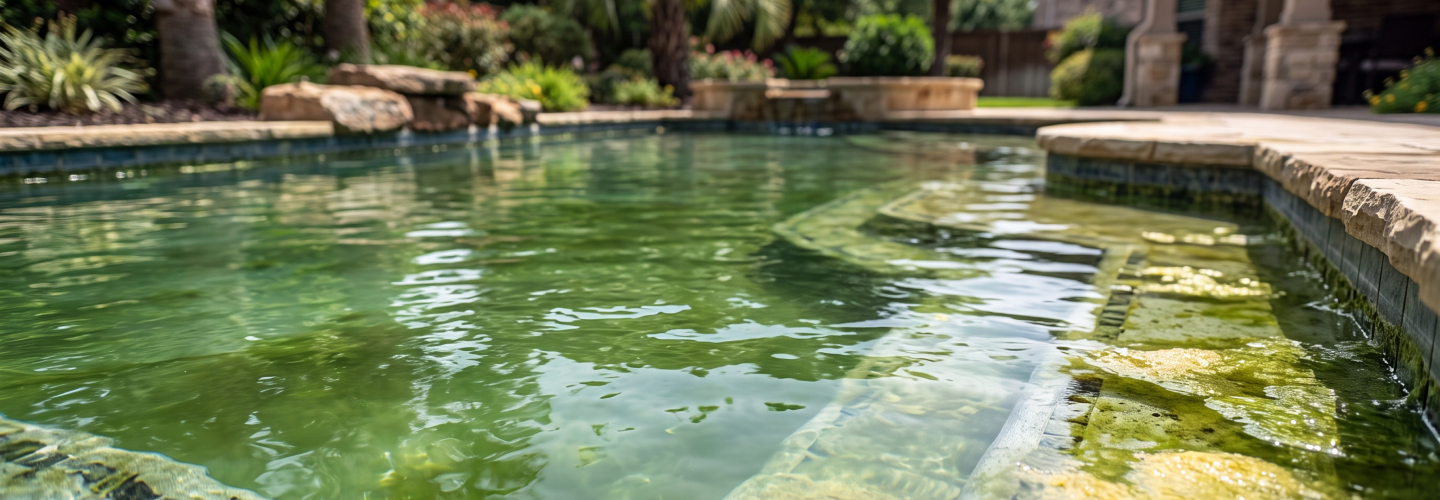
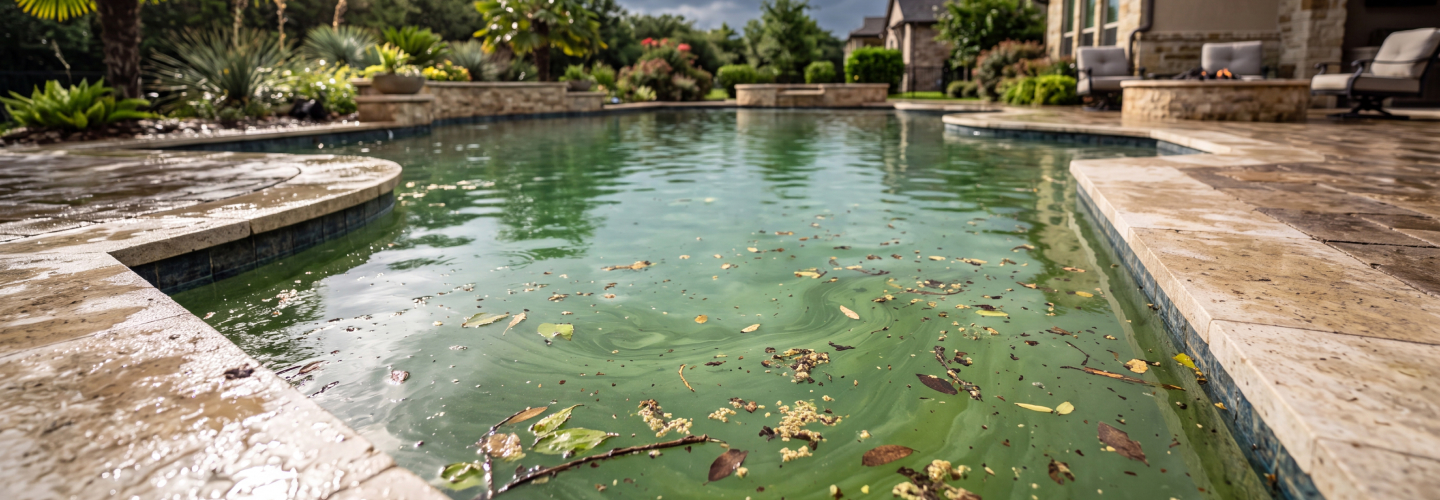
    If your pool turns green after a rainstorm, algae is usually the culprit. Rainwater can dilute chlorine, disrupt your pool’s chemical balance, and wash dirt, pollen, phosphates, and other organic debris into the pool, creating conditions that allow algae to grow if sanitizer levels become too low.. Add Texas heat and sunshine, and what starts as slightly cloudy water can quickly become a green, murky pool.

    The good news is that a green pool after rain is fixable. With the right treatment and ongoing maintenance, you can restore clear water and help prevent the problem from happening again. This guide explains why it happens, how to fix it, and what Texas pool owners can do to help prevent algae from returning.

    Understanding Why Pools Turn Green After Rain

    Pools turn green after the rain because storms can disrupt your pool’s water chemistry and reduce the effectiveness of your sanitizer. Rain can dilute free chlorine, introduce organic contaminants, and create ideal conditions for algae to multiply if sanitizer levels become too low. Sometimes, a pool can begin turning green within 24 hours of a storm, especially during hot Texas weather.

    The Science Behind Green Pools

    Rain is more than just water. It can carry dirt, pollen, dust, organic debris, and nutrients such as phosphates and nitrates into your pool through rainfall and runoff. These contaminants increase your pool’s chlorine demand and can support algae growth if sanitizer levels are not maintained. At the same time, the rainwater dilutes your chlorine and shifts your pH, weakening your pool’s main defense against biological growth.

    When free chlorine drops below the level needed to sanitize the water, algae can multiply rapidly. In Texas, where warm temperatures and intense sunlight accelerate biological growth, a pool that looks slightly cloudy after a storm can turn noticeably green in a matter of hours.

    Common Causes Specific to Texas

    Texas weather creates the perfect environment for algae, especially after heavy rain. Several local conditions make pools more vulnerable:

    • Warm water temperatures create a better environment for algae to grow year-round
    • Heavy, sudden storms can add large amounts of rainwater and debris, quickly increasing chlorine demand and disrupting water balance.
    • High pollen and dust counts, especially during spring, add extra organic material that increases sanitizer demand and can contribute to algae growth if chlorine levels are not maintained.
    • Intense post-storm sunlight accelerates chlorine loss, allowing algae to spread more quickly when sanitizer levels are already low.

    These conditions don’t just make green pools after rain a common issue for Texas homeowners. They also allow algae to develop much more quickly than in cooler or drier climates if the pool is not properly maintained.

    Immediate Steps to Take When Your Pool Turns Green

    If your pool turned green after the rain, act as soon as possible. Algae can spread rapidly, especially during warm Texas weather, and delaying treatment only gives it more time to grow. Addressing the problem within the first 24 to 48 hours can make cleanup faster, easier, and less expensive.

    Assessing the Situation

    If your free chlorine reads zero, don’t skip testing before shocking. Knowing your starting chemistry helps you determine how much sanitizer you’ll need and whether other balance issues should be corrected first.

    Before adding chemicals, take a few minutes to determine the extent of the problem.

    Start by inspecting the water. A light green tint usually indicates an early-stage algae bloom that’s easier to eliminate. If the water is dark green or visibility is limited to a foot or two, the algae have likely spread throughout the pool and will require a more aggressive treatment.

    Next, test your water chemistry. Rain can dilute chlorine and alter your pool’s pH and total alkalinity, reducing the effectiveness of treatment products. Check your free chlorine, pH, and total alkalinity before adding chemicals, as balancing your water first helps chlorine work more efficiently against algae.

    Pool Care After Rain: First Response

    Once you finally know where things stand, work through these steps in order:

    1. Skim the surface to remove leaves, debris, and anything the storm carried in. Organic debris increases chlorine demand, making it easier for algae to continue growing if sanitizer levels become too low.
    2. Brush the walls, steps, and floor to loosen algae from pool surfaces. This makes it easier for chlorine to reach and kill it.
    3. Run your pump and filter continuously throughout the initial treatment process (at least 24 hours, or longer if the pool remains cloudy or green). Proper circulation helps distribute chemicals and allows the filter to remove dead algae and debris.
    4. Empty your skimmer and pump baskets so water can move freely through the system.

    Good pool care after rain starts with these basics. While it may be tempting to jump straight to shocking the pool, removing debris, improving circulation, and checking your water chemistry first will make your treatment more effective and help restore clear water sooner.

    Green Pool Treatment Methods

    Effective green pool treatment involves two essential steps: eliminating the algae and removing it from the water. Chemicals kill the algae, but brushing, vacuuming, and filtration are what clear it from your pool. Skipping either step can allow algae to return, even if the water initially looks clean.

    Chemical Shock Treatments

    Shocking your pool is one of the most effective ways to treat a green pool after rain. Pool shock raises the chlorine level high enough to kill algae, bacteria, and other contaminants that regular sanitizer levels can’t handle.

    For most pools, calcium hypochlorite shock is an effective and widely available option. It works quickly and is well suited for treating algae blooms. If you have a vinyl liner pool, however, a non-chlorine shock may be the safer choice, as high concentrations of chlorine can fade or damage the liner over time.

    To get the best results:

    • Use the correct dosage. Always follow the manufacturer’s dosing instructions based on your pool volume and the severity of the algae bloom.
    • Shock the pool after sunset. Sunlight breaks chlorine down fast, so treating the pool in the evening allows the sanitizer to work longer and more effectively.
    • Keep the pump running. Run your circulation system continuously for at least 24 hours to distribute the treatment throughout the pool.
    • Retest the water the next day. Check chlorine and pH levels after 12 to 24 hours. If chlorine levels have dropped again, a second shock treatment may be necessary because algae are still consuming the sanitizer.

    Manual Cleaning Techniques

    While chemicals kill algae, they don’t remove it from the pool. That’s why manual cleaning is a critical part of any green pool treatment.

    After shocking, dead algae settles on the pool floor and walls. Brush every surface thoroughly: corners, steps, behind ladders, along the waterline. If your filtration system allows it, vacuuming to waste can help remove heavy algae without sending it back through the filter. Otherwise, vacuum normally and clean or backwash the filter as needed.

    Your filtration system will also need extra attention during cleanup.

    • Sand and DE filters: Backwash the filter when the pressure gauge reads 8 to 10 psi above the clean starting pressure
    • Cartridge filters: Remove the cartridge and rinse thoroughly with a hose. If the cartridge is heavily coated with algae or oils, a deep cleaning with an appropriate filter cleaner may also be necessary.

    Keeping the filter clean improves circulation and helps clear cloudy water more quickly.

    When to Call a Green Pool Cleaning Service

    Some algae blooms are too severe for standard DIY treatment. If your pool turned green after the rain and repeated shocking, brushing, and filtering aren’t producing results, it may be time to bring in a professional.

    A green pool cleaning service can address more than visible algae. Professional technicians can use specialized equipment and commercial-grade products, while also diagnosing underlying water chemistry or equipment issues, such as clogged filters or poor water flow, that can prevent effective treatment or cause algae to return.

    Consider calling a professional if:

    • Your pool is still visibly green after 3 or more days of treatment
    • Algae return within a few days after the water clears
    • You notice black or dark gray on the pool walls or floor
    • Your pump, filter, or other pool equipment isn’t working properly after the storm

    Do not swim in a green pool or while chlorine levels are above the product manufacturer’s recommended swimming range. Wait until the water is clear and chemistry has returned to safe levels before entering the pool.

    Preventing Your Pool from Turning Green After Rain

    The best way to prevent a pool from turning green after rain is through consistent maintenance. Keeping your water chemistry balanced and your pool clean before a storm makes it much harder for algae to take hold when rain dilutes sanitizer levels and washes in debris.

    Routine Pool Maintenance Tips

    Test your pool water every week, paying close attention to free chlorine, pH, and total alkalinity. Calcium hardness and cyanuric acid can typically be checked monthly. Maintaining these levels within the recommended range helps your pool recover more quickly after heavy rain and reduces the risk of algae growth.

    Regular brushing and vacuuming are just as important. Algae may already be present in small amounts even when the water looks clear.. Routine cleaning removes buildup before it becomes a problem, while cleaning or backwashing your filter ensures it can handle the extra debris that storms bring.

    Best Practices for Pool Care After Rain

    Preparing your pool before a storm and responding quickly afterward can help prevent algae blooms.

    Before the storm:

    • Raise free chlorine to the upper end of its recommended range before the storm, especially if heavy rainfall is expected.
    • Check and adjust pH and alkalinity
    • Cover the pool if you have a cover. It helps keep leaves and debris out, although heavy rain will still affect the pool’s water chemistry.
    • Remove loose items from the pool deck that could blow in

    After the storm:

    • Skim and brush as soon as it’s safe to do so
    • Retest the water as soon as practical after the storm and adjust the chemistry as needed.
    • Run the pump for at least 24 hours straight
    • Check the equipment for any visible damage

    What you do in the hours before and after a storm has a direct impact on how quickly your pool recovers. Pools that enter a storm with balanced water chemistry and receive prompt post-storm maintenance are far less likely to develop algae blooms.

    Frequently Asked Questions

    1) What is the fastest way to clear a green pool after rain?

    The fastest way to clear a green pool after the rain is to remove debris, brush all pool surfaces, and test the water chemistry. Balance the pH and alkalinity if needed, then shock the pool after sunset and run the pump continuously for at least 24 hours. With prompt treatment, lightly affected pools often begin to clear within one to two days, while more severe algae blooms may take several days and multiple treatments.

    2) How much does a green pool cleaning service typically cost?

    The cost of a green pool cleanup varies depending on the size of the pool, the severity of the algae bloom, and whether additional services such as filter cleaning or equipment repairs are needed.

    3) Are there eco-friendly options for green pool treatment?

    Yes, there are some eco-friendly options for green pool treatment. Enzyme-based products help break down oils and other organic contaminants, reducing chlorine demand and supporting overall water quality. However, they are not a replacement for chlorine when treating an active algae bloom. Copper- and silver-ion systems can help reduce algae growth, but they still require an EPA-approved sanitizer, such as chlorine, and copper can stain pool surfaces if levels become too high.

    4) Will insurance cover green pool cleanup after a storm?

    Standard homeowner’s insurance policies typically don’t cover algae treatment or routine cleanup, even after a storm. Physical storm damage to the pool structure or equipment is a separate matter and may fall under your policy, but that determination is between you and your insurance provider, so it’s best to contact your insurance provider directly to confirm your coverage..

    5) How can I tell if my pool equipment was damaged during the rainstorm?

    A few things to check after a heavy storm:

    • If the pump starts up normally
    • If the filter pressure is reading within its normal operating range.
    • If there are visible cracks, leaks, or signs of electrical trouble around the equipment pad
    • Whether the breaker has tripped or a GFCI outlet has been reset

    When the water stays murky despite the system running, that can also point to a filtration issue. If something seems off, shut the equipment down and get it looked at before running it further.

    6) What should I do if my pool keeps turning green after every rain?

    A pool that turns green after every rain usually has an underlying issue: either the baseline chemistry is consistently off, or the filtration system isn’t keeping up.

    Test more frequently between storms, not just after them. Make sure free chlorine levels remain within the recommended range between storms. If the issue continues, a professional assessment from Poolie can help identify what’s truly driving the problem.

    Regain Control of Your Pool’s Health

    A pool turning green after the rain is frustrating, but it’s also one of the more manageable pool problems to deal with when you spot it early and respond the right way. Test your water after every storm, keep your chlorine levels consistent, and brush and vacuum on a fixed schedule, not just when the water starts looking off.

    The pools that stay clear through Texas’s rainy seasons are the ones that get regular attention, not emergency treatment every time the weather changes. Build the habit of checking chemistry before and after rain, so most green pool situations become more predictable and manageable.

    When the green won’t clear up on its own, Poolie is there to help. Get in touch by filling out the form below, and let the team take it from there.

  • Weekly Pool Cleaning and Brushing: The Best Way to Prevent Summer Algae

    Weekly Pool Cleaning and Brushing: The Best Way to Prevent Summer Algae

    Weekly pool cleaning and brushing is one of the most effective ways to prevent algae during the summer. A consistent routine that includes skimming debris, scrubbing pool surfaces, vacuuming the floor, and maintaining proper water chemistry removes the conditions algae need to grow before they become a problem.

    Pool owners don’t think much about maintenance until they notice green water or slippery walls. By then, algae has already started spreading, making cleanup more difficult and expensive than routine prevention.

    The sections ahead will discuss what makes algae grow during summer, why brushing is an essential part of weekly pool maintenance, and how a simple weekly routine can help keep your pool clean and clear all season.

    What Happens When Algae Takes Over Your Pool

    Algae don’t simply float in the water. They attach to pool walls, steps, corners, and other surfaces where they multiply quickly if left undisturbed. Once established, they can spread throughout the pool, turning clear water cloudy or green and making surfaces slippery.

    Understanding what causes algae growth helps you prevent outbreaks before they start.

    Why Algae Thrive in Summer

    Warm weather creates ideal conditions for algae growth. As water temperatures rise, algae reproduce more rapidly, and during the Texas summer, pool water often stays warm enough for algae to multiply continuously.

    Heavy pool use also contributes to the problem. When more people are swimming, more organic material enters the water, such as their body oils, sunscreen, and dirt tracked in from outside. These contaminants increase the demand on your sanitizer, making it easier for algae to establish themselves if water chemistry isn’t properly maintained.

    Common Types of Pool Algae

    Green algae: This is one of the most common types of algae. It clouds the water and turns it green. It can float freely before attaching to surfaces, and it generally responds to treatment better than the other two types.

    Yellow (mustard) algae: This one tends to cling to shaded spots on walls and it’s easy to confuse with pollen or dirt. Moreover, it resists standard chlorine levels, which makes it a heavier task to clear out.

    Black algae: This can be considered as the most stubborn type of algae. It forms dark patches that root into the surface. It may be less common than the others, but once it’s established, it takes real effort to remove.

    Consequences of Algae Infestation

    An algae-infested pool is more than just an eyesore. As algae spreads, the water can become cloudy, surfaces turn slippery, and swimmers may be exposed to an increased risk of harmful microorganisms because algae can consume chlorine and indicate that sanitizer levels or circulation are inadequate, allowing bacteria and other pathogens to survive more easily.. Properly maintained pools with the correct chlorine or bromine levels and pH are less likely to spread germs that can cause swimming-related illnesses.

    Algae can also damage your pool over time. They may stain pool surfaces, create slippery steps and floors, and clog or overwork your filtration system as it removes algae and other organic matter. Left untreated, these conditions can reduce equipment efficiency and lead to more expensive maintenance or repairs.

    Consistent weekly pool maintenance helps prevent algae from gaining a foothold. Regular brushing, debris removal, and balanced water chemistry create an environment that’s less favorable for algae growth while helping keep the water cleaner and safer for everyone who uses the pool. The CDC also advises avoiding recreational water that appears discolored, scummy, or has an unusual odor because contaminated water can pose health risks.

    Why Does Weekly Pool Cleaning and Brushing Work

    Brushing gets to what chemicals can’t always reach; the layer of algae builds directly on pool surfaces to protect itself and stay attached. That’s the part that makes weekly pool cleaning and brushing more than just a surface-level task.

    How Does Algae Stick to Pool Surfaces

    Algae cells have microscopic structures that grip onto pool walls, steps, and floors. After attaching, they produce a thin biofilm, a protective layer of microorganisms and organic material that helps them adhere to surfaces and makes them more resistant to chlorine.

    That biofilm is part of why pools can look perfectly fine while algae is already working its way across the walls. It’s not visible early on. You almost won’t notice it until the colony is well established, and by then it’s already been growing for quite some time.

    Why Brushing is More Effective Than Vacuuming Alone

    A vacuum does its job on the floor, like loose debris, settled dirt, etc. What it can’t do is pull algae off a wall or get into the corner behind a ladder where biofilm has been built. Brushing breaks that contact directly. It scrapes cells off surfaces and pushes them into the water, where the filter and chemicals can actually deal with them.

    So vacuuming and brushing aren’t doing the same thing. One handles what’s already floating or sitting. The other handles what’s still holding on.

    The Role of Circulation and Filtration

    After brushing knocks algae loose, it doesn’t just disappear. It floats in the water, and something has to move it toward the filter. If circulation is weak, it can settle in a low-flow area and start attaching again somewhere else.

    Running the pump long enough each day, typically 8–12 hours during the summer depending on your pool size, pump type, bather load, and water temperature, helps ensure that algae and debris loosened during brushing are carried to the filter and removed from the water. Keeping the filter clean allows it to work efficiently, while proper circulation helps eliminate low-flow areas where algae are most likely to take hold.

    How Do You Do Weekly Pool Cleaning and Brushing Correctly

    A proper weekly pool cleaning and brushing session isn’t just brushing. It’s a sequence of steps that, done in order and done consistently, keeps the pool in good condition week to week.

    Tools That You Need

    • A pool brush matched to your surface type (nylon for vinyl or fiberglass, stainless steel for concrete or plaster)
    • A telescopic pole long enough to reach the far end of the walls and the pool floor
    • A leaf skimmer or net for surface debris
    • A vacuum head and hose
    • A water testing kit
    • Pool-safe chemicals: sanitizer (such as chlorine), pH adjusters, alkalinity increaser when needed, shock (for periodic oxidation), and algaecide if appropriate
    • A filter cleaner

    Each one of these tools handles something specific. Leaving any of them out usually means part of the job doesn’t get done.

    The Right Way to Brush a Pool

    1. Start at the waterline because that’s where oils and residue tend to collect first. From there, move down the walls in steady strokes, overlapping each pass so you’re not leaving strips unbrushed. The spots that need the most time are corners, steps, behind ladders, and any section of wall that sits in shade for most of the day, as algae find those first.
    2. Once the walls are done, move to the floor and push debris toward the main drain. That makes vacuuming faster and more effective right after.
    3. Timing matters, too. Early morning or late afternoon works better than brushing at midday because reduced UV exposure slows chlorine degradation after treatment

    How To Build A Routine That Works Well

    Pick one day a week and treat it as a fixed schedule. Here’s a basic checklist for each session:

    • Skim the water surface for debris
    • Brush the waterline, walls, steps, corners, and ladders
    • Vacuum the pool floor
    • Empty skimmer and pump baskets
    • Test water chemistry (chlorine, pH, alkalinity)
    • Adjust chemicals where needed
    • Check filters and backwash or clean if necessary

    A routine done weekly can beat a thorough cleaning done once a month. Keep in mind that both consistency and hard work pay off in preventing algae in a pool.

    Benefits of Hiring a Weekly Pool Cleaning Service

    Hiring a weekly pool cleaning service helps keep your pool in excellent condition without adding another task to your schedule. In addition to routine cleaning, professional technicians monitor water chemistry, inspect equipment, and identify small issues before they become expensive repairs. The result is a cleaner, safer pool with less effort on your part.

    Professionals Do Differently

    Professional pool technicians do more than skim leaves and vacuum the pool. Through regular inspections, they can spot early signs of potential problems, such as subtle changes in water clarity,early signs of equipment wear, restricted water flow, or water chemistry trends that could lead to algae growth or equipment damage if left unaddressed.

    At Poolie, every weekly service includes a thorough inspection of essential equipment, including the pump, filter, and other key components. Routine checks help catch developing issues early, reducing the risk of unexpected breakdowns and helping your pool operate efficiently throughout the season.

    Amount of Time A Weekly Service Can Save

    Proper pool maintenance involves much more than a quick skim. Brushing surfaces, vacuuming, testing and balancing water chemistry, emptying baskets, and monitoring the filtration system can easily take an hour or more each week.

    A scheduled weekly pool cleaning service takes care of these tasks consistently, so you don’t have to remember maintenance schedules, purchase testing supplies, or worry about whether your pool is ready for the next swim.

    Long-Term Cost Savings

    Small equipment issues cost far less to fix when they’re spotted immediately. Filters that get cleaned on schedule last longer. Pumps that operate under normal conditions and receive regular maintenance generally have a longer service life.

    Poolie’s routine visits are structured to keep every part of the pool system in working order, which reduces the likelihood of more repair costs in the long run.

    Weekly Pool Maintenance Best Practices

    An effective weekly pool maintenance covers more than what is visible to the eye. Brushing and vacuuming handle the surfaces, while testing and inspecting catches problems before they become visible. That’s the difference between a weekly routine that prevents issues and one that just responds to them.

    Water Testing and Chemical Balancing

    pH, chlorine, and alkalinity don’t stay where you set them. They shift with usage, weather, and evaporation. When any of them drift out of range, algae have an easier time getting established, and the water can start affecting swimmers and equipment at the same time.

    Target ranges during summer:

    • Chlorine: 1–3 ppm (or maintain the appropriate free chlorine level based on your stabilizer (CYA) level)
    • pH: 7.2–7.8
    • Alkalinity: 80–120 ppm

    Weekly water testing helps catch water chemistry imbalances early, when small adjustments are usually enough to correct them. Addressing issues before they worsen helps protect both your pool water and equipment from more serious and costly problems.

    Spot Algae Before They Spread

    During each weekly session, check pool surfaces for the following signs:

    • Any discoloration: green, yellow, or dark patches on walls or floors
    • Slippery spots on steps or the pool floor
    • Water that stays cloudy after the filter has been running

    When you see any of these signs, don’t wait. Brush the area that same day, pull a water test to see where chemistry stands, and run the filter on an extended cycle. If the water still hasn’t cleared within 24 to 48 hours, a shock treatment might be the necessary next step.

    Preventative Measures Beyond Brushing

    A few habits reduce the risk of algae between weekly sessions, such as:

    • Using a pool cover when the pool isn’t in use, as it limits sunlight and keeps debris out
    • Trimming any landscaping close to the pool to cut down on organic material falling into the water
    • Consider using a preventative algaecide when appropriate, especially if your pool has a history of algae outbreaks. Maintaining proper sanitizer levels remains the primary defense against algae.
    • Shock the pool after large gatherings or storms

    Frequently Asked Questions About Weekly Pool Cleaning and Brushing

    1) How often should I brush my pool in summer?

    Most pools should be brushed at least once a week as part of a regular weekly pool cleaning routine. If your pool gets heavy use, receives full sun most of the day, or has a history of algae growth, brushing twice a week can provide better protection. It’s also a good idea to brush the pool after storms or large pool parties, as debris and contaminants can increase the risk of algae.

    2) Can I skip a week if my pool looks clean?

    It’s not recommended. A pool may look clean even when algae are beginning to grow on walls, steps, and other surfaces. Early algae growth is often invisible to the naked eye, so skipping a week of brushing and maintenance gives algae more time to establish themselves. Consistent weekly pool cleaning is much easier than treating a full algae outbreak.

    3) What should I do if algae keeps coming back?

    Recurring pool algae usually indicates an underlying maintenance issue. Start by making sure you’re brushing the entire pool, including corners, steps, behind ladders, and other low-circulation areas where algae commonly develop. Next, test your water chemistry to ensure your chlorine, pH, alkalinity, and stabilizer (cyanuric acid) levels are properly balanced.

    If algae continue to return despite proper brushing, balanced water chemistry, and periodic oxidation or shocking when appropriate, it’s time to contact a professional pool cleaning service. Persistent algae can point to circulation problems, filtration issues, or hidden algae colonies that require a more thorough inspection and treatment.

    Stay Ahead of Algae: Commit to a Weekly Pool Maintenance

    Algae can develop quickly when warm temperatures, organic debris, and unbalanced water chemistry come together. The best defense is staying consistent with preventive maintenance before algae have a chance to take hold. Regular care keeps your pool cleaner, safer, and easier to maintain throughout the swimming season.

    Weekly pool cleaning and brushing is one of the most effective ways to prevent algae growth while protecting your pool water, surfaces, and equipment. Combined with consistent pool maintenance, it helps keep water chemistry balanced, supports proper filtration, and reduces the risk of costly repairs caused by neglected care.

    If keeping up with your pool’s routine isn’t practical, Poolie’s weekly pool cleaning service can handle the work for you. From cleaning and water testing to chemical balancing and equipment inspections, our team helps keep your pool in excellent condition, so you can spend more time enjoying it and less time worrying about maintenance.

    If you’re ready to stop managing algae and want to start enjoying your pool’s beauty and comfort, reach out to Poolie by filling out the form below.

  • Pool Algaecide Guide: How to Identify and Treat Green, Mustard & Black Algae in Texas

    Pool Algaecide Guide: How to Identify and Treat Green, Mustard & Black Algae in Texas

    Pool algaecide is a chemical treatment that kills and prevents algae growth in swimming pools. It works alongside proper chlorine levels to target algae, but it isn’t a replacement for maintaining adequate sanitizer. For Texas pool owners, getting the right pool algaecide is necessary. Algae can be rampant given the heat and the humidity of where the pool is located, and the long swim season lasts for that pool.

    Knowing which algae you’re dealing with and why it keeps coming back changes everything about how you treat it.

    Why Texas Pools Need a New Approach to Algae and Pool Algaecide

    Algae thrives in warm, sunny conditions, which makes Texas one of the toughest environments in the country for keeping algae under control. Success isn’t just about adding an algaecide. It requires maintaining proper water chemistry, sanitizer levels, and choosing the right treatment for the type of algae you’re dealing with.

    The Texas Climate Factor

    Texas summers can push algae growth into overdrive because temperatures above 100°F, intense sun, and heavy humidity all speed up how fast algae multiply. Strong sunlight rapidly breaks down unstabilized chlorine, making it harder to maintain adequate sanitizer levels. Meanwhile, frequent storms can also dilute your pool chemicals, introduce debris and nutrients, and create conditions where algae can quickly gain a foothold.

    Water Chemistry Challenges

    • Texas water tends to have high calcium hardness, creating rough surfaces where algae can cling more easily.
    • pH levels shift fast due to mineral-rich fill water, and when pH is off, both your sanitizer and algaecide lose effectiveness.
    • Maintaining proper pH, stabilizer (CYA), and free chlorine levels is essential for preventing algae and helping treatments work as intended.

    Types of Pool Algae in Texas: How to Identify and Treat Each One

    The three most common types of pool algae are green, mustard, and black. Each one looks different, grows in different areas of the pool, and requires a different treatment approach. If you use the wrong pool algaecide or treatment method, you’ll waste time and resources because it may not fully eliminate the problem.

    Green Algae (Chlorophyta)

    Green algae appear as cloudy green water or a slimy film on walls, steps, and fixtures. It feels slick, and that’s how you tell it apart from pollen and dust. In Texas heat, it can spread fast. A slightly hazy pool on Monday can look like a swamp by Wednesday, especially if chlorine levels drop. It often gathers in low-circulation areas like corners or behind ladders.

    Mustard Algae (Yellow Algae)

    Mustard algae are yellow-green and powdery. It settles in shaded, low-flow spots and looks similar to fine sand or pollen, which is why it often gets brushed off as nothing serious. It’s more chlorine-resistant than green algae and returns quickly to the same spots after cleaning. If a yellowish patch keeps reappearing in the same area, you’re likely dealing with mustard algae rather than ordinary dirt.

    Black Algae (Cyanobacteria)

    Black algae is actually a type of cyanobacteria rather than a true algae, but it’s commonly referred to as black algae in the pool industry. It appears as dark blue-green or black spots in cracks, grout lines, and rough plaster surfaces. It has a tough protective outer layer that resists brushing and many standard treatments. Texas pools with plaster or concrete finishes are especially vulnerable. It can penetrate porous surfaces, so successful treatment usually requires aggressive brushing, maintaining elevated chlorine levels, and, in many cases, an appropriate algaecide. The only permanent solution to removing black algae is replastering or resurfacing the pool.


    Quick ID Table: Types of Pool Algae

    Algae Type Color Texture Common Location Difficulty to Eliminate First Treatment Step
    Green Green Slimy, cloudy Walls, water, steps Easy Shock the pool, brush thoroughly, and use a broad-spectrum pool algaecide if needed
    Mustard Yellow-green Powdery Shaded, low-flow areas Moderate Brush thoroughly, perform a mustard algae shock treatment, and use a mustard-specific pool algaecide
    Black Dark blue/black Hard, spotted Grout, plaster, cracks Difficult Aggressively brush with a stainless steel brush (plaster only), maintain elevated chlorine levels, and apply a black algae treatment

    How to Get Rid of Algae in Pool Quickly: Texas Edition

    In Texas, speed is everything when dealing with pool algae. High temperatures can turn a small patch into a full-blown algae outbreak in as little as 24–48 hours under favorable conditions. Using the right pool algaecide alongside maintaining proper chlorine levels, vigorous brushing, continuous filtration, and proper water circulation is the most effective way to stop algae before it takes over.

    Green Algae Pool Treatment (Fast Results)

    For green algae pool treatment, combine cleaning with chemical treatment at the same time:

    • Brush all pool surfaces to break up algae colonies
    • Raise your free chlorine to shock level based on your stabilizer (CYA) level.
    • Add a broad-spectrum pool algaecide if recommended by the product label or for stubborn algae
    • Run your pump continuously until the water clears
    • Vacuum dead algae to waste when possible, and backwash or clean your filter frequently.

    Point your return jets to improve circulation throughout the pool and prevent algae from resettling during treatment.

    Mustard Algae Treatment (Texas-Specific)

    Mustard algae treatment requires more than a standard shock treatment because it’s more chlorine-resistant than green algae. Do the following:

    • Remove all pool accessories and clean them according to the manufacturer’s recommendations before returning them
    • Brush all surfaces, especially shaded and low-flow areas
    • Raise the pool to mustard algae shock level and apply a mustard-specific pool algaecide
    • Run the pump non-stop during treatment
    • After 24 hours, brush again and vacuum to waste

    Mustard algae can cling to pool toys, brushes, cleaner hoses, floats, swimsuits, and other equipment, so cleaning these items helps prevent it from returning.

    Black Algae Treatment (What Works in Texas)

    Black algae treatment takes persistence because one treatment is rarely enough:

    • Use a stainless steel brush (for plaster and concrete pools only) on each spot to break through the protective outer layer.
    • Apply an appropriate black algae treatment or algaecide directly to the spots immediately after brushing.
    • Raise free chlorine to an appropriate shock level and maintain it until the algae is eliminated.
    • Repeat the process as needed until the spots are completely gone.

    If black algae have rooted deeply into plaster or grout and keep coming back, that’s when professional help becomes necessary and a replaster of the pool may be required.

    Post-Treatment: Clearing Dead Algae and Restoring Balance

    • Vacuum to waste. Don’t run dead algae through the filter
    • Backwash or clean filters thoroughly
    • Test and adjust chlorine, pH, alkalinity, and stabilizer
    • Monitor water daily for one week and brush any returning spots right away

    Proactive Prevention for Texas Pools

    Preventing algae is less work and lower in cost than treating a full outbreak. A consistent routine is the most reliable defense Texas pool owners have.

    Weekly Habits That Matter:

    • Brush the pool walls, steps, and floor to remove algae spores before they can become established.
    • Test and balance the water, including free chlorine, pH, total alkalinity, calcium hardness, and stabilizer (CYA).
    • Consider adding a preventive dose of pool algaecide during the hottest months or if your pool is prone to recurring algae blooms. Always follow the product label instructions.
    • Empty skimmer and pump baskets to maintain proper water flow.
    • Check sanitizer levels regularly to ensure free chlorine stays within the recommended range for your pool’s CYA level.

    Adjusting Maintenance After Rain or Heatwaves

    Heavy rain and extreme heat can quickly throw your pool’s chemistry out of balance, creating ideal conditions for algae growth. After a storm or heatwave, test the water as soon as possible, restore free chlorine and pH to their recommended levels, shock the pool if testing indicates it’s needed, consider adding a maintenance dose of pool algaecide if your pool is prone to algae or the product label recommends it, and run the pump longer to restore proper circulation. Texas storms also introduce organic debris that increases chlorine demand, so taking action within the first day is much easier than dealing with a full algae bloom a day or two later.

    Equipment that may be worth upgrading:

    1. Variable-speed pumps to improve circulation and reduce operating costs.
    2. Higher-capacity filters or properly sized filtration systems to remove more spores between cleanings.
    3. Automation systems to monitor and maintain water chemistry more consistently than manual testing alone.

    When to Call a Texas Pool Algae Expert

    Most minor algae outbreaks can be handled with the right pool algaecide and proper maintenance. However, it’s time to call a professional if:

    • Algae keep returning after repeated shocking and algaecide treatments
    • Black algae persists after multiple aggressive treatment rounds
    • Water stays cloudy for days after treatment
    • You can’t stabilize water chemistry despite repeated adjustments
    • Your pump or filter isn’t working properly

    When algae problems become persistent, professional service can save both time and money. A pool technician can perform advanced water testing, inspect your equipment for underlying issues, and use commercial-grade treatments designed for the specific type of algae affecting your pool.

    Poolie takes that process a step further by identifying the root cause of recurring algae, not just treating what’s visible. By evaluating water chemistry, circulation, filtration, and maintenance practices, the team can recommend customized pool service maintenance plans for a long-term solution that will help prevent future outbreaks instead of repeatedly treating the same problem.

    Frequently Asked Questions

    1) Why do algae keep coming back after treatment?

    It is usually because of incomplete treatment, poor circulation, insufficient sanitizer levels, or using the wrong pool algaecide for the algae type. Brush every surface thoroughly, balance your water, and make sure your filter is clean and running properly.

    2) Is it safe to swim after adding algaecide?

    Most products require waiting until the product has circulated and the manufacturer’s recommended wait time has passed, which can range from 15 minutes to 24 hours depending on the product. Always check the label and confirm sanitizer levels are in the safe range before anyone gets in, especially children and pets.

    3) Can I just use household bleach or shock instead of algaecide?

    Shock helps, but it’s not always enough, especially for mustard or black algae. Regular, unscented household bleach contains the same active ingredient as liquid pool chlorine (sodium hypochlorite), but it is typically sold at lower concentrations and isn’t intended or labeled for routine pool sanitation. Specialized pool algaecide is formulated to help prevent or control algae alongside proper chlorine levels, rather than replace them.

    4) Do I really need to brush if I am shocking the water?

    Yes. Brushing breaks algae loose from surfaces and exposes it to chemicals. Without it, algae survive in crevices even after shocking. Brush before and after treatment for best results.

    5) What is the average cost of professional pool algae removal?

    Professional algae removal costs vary widely based on the severity of the bloom, pool size, location, and whether additional services like filter cleaning or repairs are needed. Simple algae treatments may cost a few hundred dollars, while severe algae cleanups can cost considerably more. Most services include water testing, brushing, vacuuming, treatment, and filter cleaning or filter maintenance.

    6) What kills algae permanently?

    No single treatment eliminates algae for good. Consistent sanitizer levels, routine brushing, correct use of pool algaecide, and proper filtration give you the best long-term results. Algae control is ongoing maintenance, not just a one-time fix. Black algae will often require replastering or resurfacing as the spores embed deeply into the plaster itself and can return 1-2 times per year.

    Winning Your Texas Pool with the Right Pool Algaecide

    Texas conditions make algae harder to prevent and harder to treat, but most outbreaks are manageable when you identify the right algae type and match it to the right treatment. Green algae pool treatment, mustard algae treatment, and black algae treatment each follow a different path, and using the correct pool algaecide for each one is what works wonders.

    Be consistent with your pool maintenance, act fast as soon as you notice that something is off, and don’t let a small patch sit until it takes over everything. If algae keep returning no matter what you do, Poolie’s team is ready to help. Fill out the form below and get a treatment plan built around what your pool truly needs.

  • Final Pool Deep Cleaning: How to Prep Your Texas Pool for a Clear Summer

    Final Pool Deep Cleaning: How to Prep Your Texas Pool for a Clear Summer

    A lot of pools look summer-ready long before they actually are. A final pool deep cleaning goes beyond surface-level maintenance, especially after months of pollen, storms, debris, and changing water conditions across Texas.

    Some buildup stays hidden in filters, waterlines, corners, and low-circulation areas until heavier pool use starts exposing the problem.

    This guide reveals the areas pool owners commonly overlook before summer and what deserves closer attention before the season gets fully underway.

    Why a Final Deep Clean Matters Before Texas Summer

    A final deep clean helps your pool handle the heavier use from Texas summers.

    Even if the water looks fine now, leftover oils, debris, and buildup from spring can start causing problems once temperatures rise and once swimming activity increases.

    Without a deeper reset before summer, pools often run into:

    Regular maintenance truly helps. However, it does not always remove buildup hiding in filters, corners, waterlines, and other low-flow areas alone.

    A final pool deep cleaning gives you a cleaner starting point before daily use begins. It makes ongoing maintenance more manageable during the busiest part of pool season.

    Understanding Scum Lines, Oils, and Hidden Debris

    Clear water doesn’t always equate to clean water. Scum lines, oily films, and hidden debris affect water quality, swimmer comfort, and equipment performance often before anything looks visibly off.

    What causes them: Body oils, sweat, sunscreen, lotions, and hair products wash off from swimmers’ bodies and accumulate along pool walls, especially where water meets air. Pollen, dust, and leaves add to the buildup.

    Hot Texas days accelerate it, which means residue builds faster here than in cooler climates.

    Why it matters: This buildup can contribute to cloudy water, increased chemical demand, clogged filtration, and conditions that make it easier for algae or biofilm to develop if left untreated.

    Over time, oily residue and debris can also create slippery surfaces around the waterline and reduce overall water clarity and comfort for swimmers.

    Addressing buildup before peak swim season is usually easier and more cost-effective than dealing with larger water quality issues later in the summer.

    The Step-by-Step Final Deep Clean Process

    A pool final deep cleaning targets buildup that regular maintenance can overlook. It helps improve water quality, circulation, and overall pool performance before summer.

    1) Inspect and Prepare Your Pool

    Before scrubbing, do a quick walkthrough:

    • Water level: confirm it’s within the normal range
    • Visible debris: remove large leaves, branches, or sunken objects
    • Equipment: check the pump, skimmer baskets, and filter for clogs or damage

    Gather your supplies: pool brush, skimmer net, vacuum, filter cleaner, water test kit, and specialty cleaners. A little preparation up front saves time and interruptions during cleaning.

    2) Remove Surface Debris and Oils

    Skim the surface to catch leaves, bugs, and floating debris. For oily films, use a scum-absorbing sponge or a floating scum ball to soak up surface oils.

    Removing debris and oil here prevents them from sinking or spreading as you clean.

    3) Deep Clean the Waterline and Scum Lines

    Inspect the full waterline for discoloration, sticky residue, or visible buildup. Use a dedicated pool tile cleaner or a non-abrasive scrub pad.

    For heavier buildup, an enzyme-based pool cleaner may help loosen oils and organic residue before scrubbing. Avoid household cleaners, as they can disrupt water chemistry and potentially damage pool surfaces or equipment.

    4) Clean and Maintain Pool Filters

    A dirty filter can’t do its job regardless of how well-balanced your chemistry is. Follow manufacturer instructions for your filter type:

    • Cartridge filters: Remove and rinse thoroughly with a hose. Use a filter cleaning solution if buildup remains.
    • Sand/DE filters: backwash per your system’s guidelines and replenish DE powder to the correct level

    Clean filters trap new debris efficiently and extend equipment life. If your filter consistently underperforms even after cleaning, evaluate whether a replacement may be needed.

    5) Vacuum and Brush Pool Surfaces

    Vacuum the pool floor slowly, paying close attention to corners, steps, and behind ladders, as these are the spots where debris settles undisturbed.

    Then brush the walls, tile line, and floor seams. These areas are frequently skipped during routine cleaning, but are exactly where algae, biofilm, and grime take hold first.

    Moving too quickly with the vacuum stirs debris without removing it, so take your time.

    6) Address Phosphates and Non-Living Organics

    Phosphates can contribute to algae growth, especially when sanitizer levels are not properly maintained. Non-living organics such as sweat, sunscreen, pollen, and plant debris can also increase chlorine demand over time.

    If phosphate levels are elevated, a phosphate remover may help reduce nutrient buildup. Enzyme-based cleaners can also help break down oils and organic residue that sanitizers alone may struggle to fully oxidize.

    7) Balance Water Chemistry

    Test and adjust pH, chlorine (or other sanitizer), alkalinity, calcium hardness, and cyanuric acid (stabilizer). Adjust in the correct order: alkalinity first, then pH, then sanitizer.

    Balanced water prevents buildup, protects surfaces and equipment for swimmers’ comfort.

    8) Shock and Circulate the Pool

    Shock the pool to eliminate remaining bacteria and contaminants. Follow dosage instructions based on your pool’s volume, then run the pump and filter for several hours or overnight, to distribute the treatment evenly.

    Retest your chemistry before allowing swimmers to be back on the water.

    Keep Your Pool Clean All Summer: Prevention Made Easy

    A final deep clean needs consistent habits to maintain it through the season.

    Easy Daily and Weekly Habits

    A little effort helps a lot. Try these simple habits:

    • Skim the surface daily before debris sinks and breaks down
    • Brush walls and steps weekly to prevent algae and scum buildup
    • Vacuum the pool floor weekly, or more often after a heat wave or heavy use
    • Empty skimmer and pump baskets regularly to keep water flowing freely
    • Test water chemistry at least once a week, but more during heat waves or high-activity periods

    Consistent maintenance helps reduce chemical costs, prevent unnecessary repairs, and keep your pool equipment running efficiently throughout the summer.

    Encourage Swimmers to Rinse before Entering

    Body oils, lotions, and hair products can cause scum and waterline buildup. A quick rinse before entering the pool can help reduce the amount of contaminants introduced into the water each day.

    Use Pool Covers and Scum Catchers

    Covers block leaves, pollen, and debris when the pool isn’t in use, lowering cleaning time and chemical use. Floating scum catchers absorb surface oils before they stick to walls.

    Both are low-effort tools that add up over a full season.

    Stay Consistent with Water Chemistry

    Test after heavy rain, pool parties, or major temperature swings, not just on a fixed schedule.

    The most common mistakes are waiting too long between tests, estimating chemical doses, and letting small imbalances grow into bigger problems.

    Upgrade Pool Materials for Easier Cleaning

    Some pool surfaces are easier to maintain than others. Smooth, less porous surfaces generally collect less debris and make brushing easier.

    Finishes such as tile, fiberglass, quartz, and pebble-based surfaces may offer improved durability and stain resistance compared to older or more porous finishes, though every pool still requires regular maintenance and proper water chemistry

    Small maintenance habits make a useful difference over time. Staying consistent with cleaning, water chemistry, and daily upkeep helps reduce buildup, protect equipment, and keep your pool easier to manage even through the busiest days of summer.

    A Cleaner Pool Should Start Before Summer

    Most summer pool problems begin long before the water turns cloudy or equipment performance drops. Oils, debris, poor circulation, and small chemistry imbalances build gradually, making a thorough deep clean before peak season one of the smartest ways to prevent bigger issues later.

    Keeping water chemistry balanced, filters clean, and buildup under control helps reduce repairs, lower chemical demand, and keep your pool easier to manage throughout the summer.

    Get Your Pool Ready Before Summer Gets Busy

    If your pool needs more than a quick cleanup, Poolie can help with deep cleaning, water balancing, filter care, and ongoing maintenance to keep your pool clean, clear, and ready for the season.

    Book a service or fill out the form below to get started with Poolie.

    Frequently Asked Questions (FAQs)

    How often should I deep clean my pool in Texas?

    Most Texas pools benefit from a deeper cleaning at least twice a year, typically before summer and again as the swim season winds down.

    If your pool gets heavy use, is near trees, or deals with recurring algae or cloudy water, add a mid-summer deep clean.

    Signs are persistent scum lines that regular cleaning can’t remove, cloudy water even after adjusting chemicals, algae blooms or stubborn stains on walls and steps, and unpleasant odors or swimmer’s skin and eye irritation.

    A little extra attention now can save you big headaches and expenses later.

    Are enzyme cleaners safe for my pool?

    In most cases, yes. Pool enzyme products are generally safe for common pool surfaces such as plaster, vinyl, fiberglass, quartz, and tile when used according to manufacturer instructions.

    They help break down oils, lotions, sunscreen, and other organic contaminants that can contribute to scum lines, cloudy water, and increased filter buildup.

    For best results, enzyme treatments should be paired with proper water chemistry and regular filter maintenance.

    How do I know if my filter needs replacing?

    Watch for:

    • Cloudy water even after cleaning and balancing
    • The pressure gauge stays high after backwashing
    • Visible cracks, tears, or damage to cartridges or grids
    • Sand or DE powder is leaking into the pool
    • Consistently poor performance despite regular maintenance

    Start with a thorough filter cleaning and system inspection first. If problems continue, consult a pool professional and review your filter manufacturer’s recommendations for service life and replacement intervals.


    (FINAL DRAFT)

    Final Pool Deep Cleaning: How to Prep Your Texas Pool for a Clear Summer

    A lot of pools look summer-ready long before they actually are. A final pool deep cleaning goes beyond surface-level maintenance, especially after months of pollen, storms, debris, and changing water conditions across Texas.

    Some buildup stays hidden in filters, waterlines, corners, and low-circulation areas until heavier pool use starts exposing the problem.

    This guide reveals the areas pool owners commonly overlook before summer and what deserves closer attention before the season gets fully underway.

    Why a Final Deep Clean Matters Before Texas Summer

    A final deep clean helps your pool handle the heavier use from Texas summers.

    Even if the water looks fine now, leftover oils, debris, and buildup from spring can start causing problems once temperatures rise and once swimming activity increases.

    Without a deeper reset before summer, pools often run into:

    Regular maintenance truly helps. However, it does not always remove buildup hiding in filters, corners, waterlines, and other low-flow areas alone.

    A pool final deep cleaning gives you a cleaner starting point before daily use begins. It makes ongoing maintenance more manageable during the busiest part of pool season.

    Understanding Scum Lines, Oils, and Hidden Debris

    Clear water doesn’t always equate to clean water. Scum lines, oily films, and hidden debris affect water quality, swimmer comfort, and equipment performance often before anything looks visibly off.

    What causes them: Body oils, sweat, sunscreen, lotions, and hair products wash off from swimmers’ bodies and accumulate along pool walls, especially where water meets air. Pollen, dust, and leaves add to the buildup.

    Hot Texas days accelerate it, which means residue builds faster here than in cooler climates.

    Why it matters: These contaminants cloud water, help bacteria and algae grow, and force your sanitizer to work harder. That means more chemicals, higher costs, and shorter equipment life.

    Additionally, oily buildup creates slippery surfaces and irritates the skin and eyes. Addressing it before the season starts is much easier and cheaper than dealing with it mid-summer.

    The Step-by-Step Final Deep Clean Process

    A pool final deep cleaning targets buildup that regular maintenance can overlook. It helps improve water quality, circulation, and overall pool performance before summer.

    1) Inspect and Prepare Your Pool

    Before scrubbing, do a quick walkthrough:

    • Water level: confirm it’s within the normal range
    • Visible debris: remove large leaves, branches, or sunken objects
    • Equipment: check the pump, skimmer baskets, and filter for clogs or damage

    Gather your supplies: pool brush, skimmer net, vacuum, filter cleaner, water test kit, and specialty cleaners. A little preparation up front saves time and interruptions during cleaning.

    2) Remove Surface Debris and Oils

    Skim the surface to catch leaves, bugs, and floating debris. For oily films, use a scum-absorbing sponge or a floating scum ball to soak up surface oils.

    Removing debris and oil here prevents them from sinking or spreading as you clean.

    3) Deep Clean the Waterline and Scum Lines

    Inspect the full waterline for discoloration, sticky residue, or visible buildup. Use a dedicated pool tile cleaner or a non-abrasive scrub pad.

    For tougher buildup, apply a pool-safe enzyme cleaner and let it sit before scrubbing. Avoid household cleaners as they disrupt water chemistry and can damage your pool’s finish. Work in sections around the full perimeter so nothing gets overlooked.

    4) Clean and Maintain Pool Filters

    A dirty filter can’t do its job regardless of how well-balanced your chemistry is. Follow manufacturer instructions for your filter type:

    • Cartridge filters: remove, hose down thoroughly, and soak in filter cleaner if needed
    • Sand/DE filters: backwash per your system’s guidelines and replenish DE powder to the correct level

    Clean filters trap new debris efficiently and extend equipment life. If your filter consistently underperforms even after cleaning, evaluate whether a replacement may be needed.

    5) Vacuum and Brush Pool Surfaces

    Vacuum the pool floor slowly, paying close attention to corners, steps, and behind ladders, as these are the spots where debris settles undisturbed. Then brush the walls, tile line, and floor seams. These areas are frequently skipped during routine cleaning, but are exactly where algae and grime take hold first.

    Moving too quickly with the vacuum stirs debris without removing it, so take your time.

    6) Address Phosphates and Non-Living Organics

    Phosphates feed algae. Non-living organics, such as sweat, sunscreen, and plant matter, reduce sanitizer effectiveness over time.

    Use a phosphate remover if your test results show elevated levels, and add an enzyme-based cleaner to break down oils and organic material that standard sanitizers can’t fully handle.

    7) Balance Water Chemistry

    Test and adjust pH, chlorine (or other sanitizer), alkalinity, calcium hardness, and cyanuric acid (stabilizer). Adjust in the correct order: alkalinity first, then pH, then sanitizer.

    Balanced water prevents buildup, protects surfaces and equipment for swimmers’ comfort.

    8) Shock and Circulate the Pool

    Shock the pool to eliminate remaining bacteria and contaminants. Follow dosage instructions based on your pool’s volume, then run the pump and filter for several hours or overnight, to distribute the treatment evenly.

    Retest your chemistry before allowing swimmers to be back on the water.

    Keep Your Pool Clean All Summer: Prevention Made Easy

    A final deep clean needs consistent habits to maintain it through the season.

    Easy Daily and Weekly Habits

    A little effort helps a lot. Try these simple habits:

    • Skim the surface daily before debris sinks and breaks down
    • Brush walls and steps weekly to prevent algae and scum buildup
    • Vacuum the pool floor weekly, or more often after a heat wave or heavy use
    • Empty skimmer and pump baskets regularly to keep water flowing freely
    • Test water chemistry at least once a week, but more during heat waves or high-activity periods

    Consistent maintenance helps reduce chemical costs, prevent unnecessary repairs, and keep your pool equipment running efficiently throughout the summer.

    Encourage Swimmers to Rinse before Entering

    Body oils, lotions, and hair products can cause scum and waterline buildup. A garden hose near the pool and a simple reminder to guests can significantly reduce daily contaminant load.

    Use Pool Covers and Scum Catchers

    Covers block leaves, pollen, and debris when the pool isn’t in use, lowering cleaning time and chemical use. Floating scum catchers absorb surface oils before they stick to walls.

    Both are low-effort tools that add up over a full season.

    Stay Consistent with Water Chemistry

    Test after heavy rain, pool parties, or major temperature swings, not just on a fixed schedule.

    The most common mistakes are waiting too long between tests, estimating chemical doses, and letting small imbalances grow into bigger problems.

    Upgrade Pool Materials for Easier Cleaning

    Some pool surfaces are easier to maintain than others. Smooth, non-porous materials like tile and fiberglass collect less buildup, while newer finishes such as pebble or quartz can improve durability and reduce long-term cleaning issues.

    Small maintenance habits make a useful difference over time. Staying consistent with cleaning, water chemistry, and daily upkeep helps reduce buildup, protect equipment, and keep your pool easier to manage even through the busiest days of summer.

    A Cleaner Pool Should Start Before Summer

    Most summer pool problems begin long before the water turns cloudy or equipment performance drops. Oils, debris, poor circulation, and small chemistry imbalances build gradually, making a thorough deep clean before peak season one of the smartest ways to prevent bigger issues later.

    Keeping water chemistry balanced, filters clean, and buildup under control helps reduce repairs, lower chemical demand, and keep your pool easier to manage throughout the summer.

    Get Your Pool Ready Before Summer Gets Busy

    If your pool needs more than a quick cleanup, Poolie can help with deep cleaning, water balancing, filter care, and ongoing maintenance to keep your pool clean, clear, and ready for the season.

    Book a service or fill out the form below to get started with Poolie.

    Frequently Asked Questions (FAQs)

    How often should I deep clean my pool in Texas?

    At least twice a year, before summer and as the season winds down. If your pool gets heavy use, is near trees, or deals with recurring algae or cloudy water, add a mid-summer deep clean.

    Signs are persistent scum lines that regular cleaning can’t remove, cloudy water even after adjusting chemicals, algae blooms or stubborn stains on walls and steps, and unpleasant odors or swimmer’s skin and eye irritation.

    A little extra attention now can save you big headaches and expenses later.

    Are enzyme cleaners safe for my pool?

    Yes. Enzyme cleaners work on most pool surfaces, like plaster, vinyl, and fiberglass. They remove oils, lotions, and non-living organic material that clog filters and cause scum. Use them consistently, follow product instructions, and pair with regular filter cleaning for best results.

    How do I know if my filter needs replacing?

    Watch for:

    • Cloudy water even after cleaning and balancing
    • The pressure gauge stays high after backwashing
    • Visible cracks, tears, or damage to cartridges or grids
    • Sand or DE powder is leaking into the pool
    • Consistently poor performance despite regular maintenance

    Start with a thorough cleaning. If problems continue, consult a pool professional and check your filter manufacturer’s guidelines.