Author: admin

  • Pool Pump Flow Rate: How to Calculate the Right GPM for Your Texas Pool

    Pool Pump Flow Rate: How to Calculate the Right GPM for Your Texas Pool

    A pool that has run smoothly for years can suddenly develop problems when the Texas summer arrives, and poor circulation is often one of the first factors to investigate. Months of relentless heat, increased pool use, and prolonged sun exposure increase your pool’s filtration and circulation demands. Every pool pump has a flow rate, or the gallons per minute (GPM) it pushes through the system, but some owners don’t calculate theirs. When the flow rate is off, it can cause cloudy water, rising chemical costs, and a pump that hums louder than usual.

    This article shows you how to calculate your pool pump flow rate and why it matters. It also covers how pool pump GPM affects overall water circulation and filtration performance.

    Understanding Pool Pump Flow Rate

    Before fixing or improving anything, you have to know what you’re working with. If you try to ask five different pool owners what flow rate means, you’ll likely get five different answers. So, here’s the straightforward version:

    What is the Pool Pump Flow Rate?

    Pool pump flow rate is how much water your pump pushes through the system at a given time. It’s measured in gallons per minute (GPM). However, some manuals use liters per minute (LPM). If your pump is operating at 40 GPM, that means 40 gallons pass through the filter under those operating conditions.

    Why Flow Rate Matters in Texas Summers

    Hot weather puts your pool into overdrive, speeding up everything from algae growth and bacteria to the rate at which chlorine breaks down. If your flow rate is lower than what your pool needs, water circulation slows, reducing filtration efficiency and making it harder to distribute chemicals evenly throughout the pool. A properly matched flow rate helps maintain consistent circulation, improves filtration, and keeps sanitizer levels more uniform throughout the pool.

    Key Pool Pump Terms: Made Simple

    A few terms come up repeatedly when shopping for or troubleshooting a pool pump. Knowing these makes the rest of this guide easier to follow:

    • GPM: The amount of water your pump moves in one minute
    • Turnover rate: The amount of time it takes for your pump to circulate a volume of water equal to your pool’s capacity.
    • Head (or Total Dynamic Head): The resistance your pump must overcome to move water through the system, typically caused by pipe length, bends, elevation changes, and equipment.

    Calculating the Ideal Pool Pump Flow Rate

    Once you understand the terminology, the next step is to calculate your pool’s flow rate. The process isn’t complicated, but you’ll need a few minutes and some basic pool measurements

    Determining Your Pool’s Volume

    For rectangular pools, multiply the length by the width by the average depth by 7.5. A 30-by-15-foot pool with a 5-foot average depth comes out to roughly 16,875 gallons.

    Round pools, on the other hand, use diameter × diameter × average depth × 5.9.

    For irregular-shaped pools, it may take some extra work, such as breaking the pool into smaller sections, calculating each one, and then adding them together.

    Calculating Turnover Rate

    The turnover rate tells you how long it takes to circulate a volume of water equal to your pool’s total capacity. Many residential pools are designed around a 6- to 8-hour turnover, although the ideal runtime depends on your pool, equipment, and usage.

    Find the GPM you need by dividing your pool’s volume by your turnaround time in minutes. Using the 16,875-gallon example above with an 8-hour target, that’s 480 minutes, which works out to about 35 GPM.

    Matching GPM to Pool Size

    Check your target pool pump GPM against your pump’s performance curve and manufacturer specifications, because plumbing, filter type, and overall system resistance all affect actual flow. Rather than simply aiming for a higher flow rate, make sure your pump can provide the required GPM without exceeding the limits of your filter, plumbing, or other equipment. If your pool sees heavy use from kids, frequent parties, or windy days that blow in debris, you may need longer pump run times or more frequent filtration instead of a significantly higher flow rate.

    Choosing the Right Pool Pump for Texas Conditions

    Not every pump is the right fit for your pool, so the one you select matters especially during long Texas summers when pumps often run for extended periods.


    Single-Speed vs. Variable-Speed Pumps

    Single-speed pumps operate at full power whenever they’re running. Variable-speed pumps, on the other hand, let you dial the speed up or down depending on what the pool needs on any given day.

    Pros and Cons for the Texas Climate

    Single-speed units are more affordable upfront and are easy to operate. However, they run at full power all the time, making them noisier and more prone to wear during long Texas summers. Variable-speed pumps cost more initially, but they adapt to conditions, operate more quietly, and often experience less wear because they spend much of their operating time at lower speeds.

    Energy Efficiency and Cost Considerations

    Running a single-speed pump at full power for 8 to 12 hours a day during peak summer adds up fast on a power bill. Variable-speed models can run at a lower setting most of the time and only ramp up when conditions call for it, which is where the real savings come from over a season.

    Sizing Your Circulation Pump for a Swimming Pool

    Properly sizing a circulation pump for swimming pool systems is essential. A pump that’s too small may not provide adequate circulation. While one that is too large can push water through the filter faster than it can effectively remove contaminants or exceed the filter’s maximum recommended flow rate.

    Manufacturer Charts and Recommendations

    Most manufacturers have performance charts showing exactly how many GPM a pump delivers at different head levels, which reflect the amount of resistance in your plumbing system. A pump might list 50 GPM under specific testing conditions, but that number only holds true at a specific head value. Match your required GPM against your pool’s estimated head to find a pump that truly fits, rather than just guessing based on tank size alone.

    Avoiding Undersized and Oversized Pumps

    An undersized pump struggles to circulate water properly, leaving your pool cloudy and more prone to algae. An oversized pump uses more energy, may reduce filtration efficiency, and can put unnecessary strain on your filter and plumbing. Neither option is good for your pool or your wallet.

    Optimizing Pool Pump Operation for Peak Efficiency

    Buying the right pump is only half the job. How you run it daily determines whether your pool pump flow rate actually holds steady and delivers results you paid for.

    Ideal Pump Schedules for Texas Summers

    How long to run your pool pump each day

    Most Texas pools do well running their pumps 8 to 12 hours daily through the summer. Smaller or covered pools can often get by on the lower end. Larger or heavily used pools need closer to 10 or 12 hours although the ideal runtime depends on your pool size, pump type, water temperature, and bather load..

    Splitting run time for best results

    Rather than one long stretch, splitting the schedule into two sessions (4 hours in the morning and another 4 in the evening) keeps your water moving more consistently. It can also improve skimming by circulating the water during different parts of the day, when debris is more likely to enter the pool.

    Adjusting Flow Rates for Weather and Usage

    When to increase/decrease GPM

    If you have a variable-speed pump, bump the flow rate up after storms, heavy use, or extended heat. Dial it back during slower weeks when water is staying clear, and use is light.

    Pool parties, storms, and heavy use

    After any event, heavy rain, or unpredictable weather changes, run the pump longer or, if using a variable-speed pump, at a higher speed than usual. This clears out debris, sunscreen residue, and runoff right away.

    Maintenance Tips for Consistent Flow Rate

    Cleaning filters and baskets

    Clean or backwash filters according to the manufacturer’s recommendations or whenever the filter pressure rises about 8 to 10 PSI above its clean starting pressure. Empty skimmer and pump baskets weekly, and more often during periods of heavy leaf drop or after storms.


    Monitoring Pump Performance

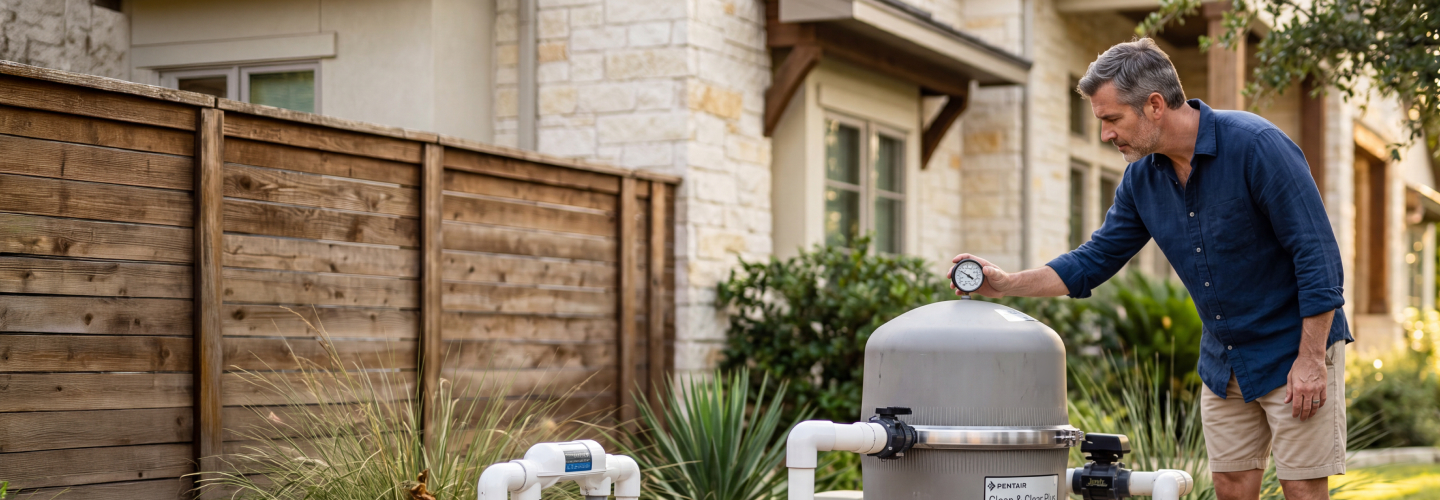
    Watch your pressure gauge for sudden increases or decreases, and pay attention to unusual noise or a visible drop in water movement. These can indicate a clogged filter, restricted plumbing, an air leak, or another issue affecting your pump’s performance.

    Common Mistakes and How to Avoid Them

    Oversizing or Undersizing the Pump

    One of the most common mistakes owners make is buying based on price or what a neighbor uses. Instead, choose a pump based on your pool’s volume, plumbing system, filter, and required flow rate. Compare your target GPM with the manufacturer’s performance chart to ensure the pump can deliver that flow under your pool’s operating conditions.

    Ignoring Manufacturer Specifications

    Avoid skipping the manual or manufacturer’s installation instructions, as doing so can result in the wrong filter size, mismatched piping, reduced performance, or even a voided warranty. Follow the listed specifications to help ensure safe, efficient operation.

    Neglecting Seasonal Adjustments

    A schedule that works well in July might not work the same way in November. Adjust run times and, if you have a variable speed pump, flow rates as soon as the seasons shift. Doing so can reduce energy costs while maintaining proper water circulation and helping extend the life of your equipment.

    Expert Tips for Texas Pool Owners

    Leveraging Technology

    Smart VSPs and automation systems let you adjust schedules and flow rates from your phone. Many models allow you to create customized schedules, while some advanced systems can automatically adjust pump operation based on programmed settings or connected sensors. For pools that experience different seasonal shifts conditions, this cuts down on the manual decision-making that daily operation usually requires.

    Consulting with Local Professionals

    A local pool technician familiar with Texas water conditions can help properly size and install new equipment, troubleshoot circulation problems, address water issues, or plan a renovation. Look for someone with regional experience and good reviews rather than choosing solely based on the lowest price.

    Make Every Drop Count with the Right Pool Pump Flow Rate

    Getting the right number once doesn’t necessarily mean you’re done with your responsibility. As your pool ages, your usage also changes, or you might add equipment along the way, so it’s important to do the math again rather than assuming that the original setup still holds. It only takes a few minutes to check, but a lot more to fix if you skip it.

    If your pool pump flow rate still feels off after running the calculations, or your pool pump seems to be working harder than normal, consider reaching out to a local pool professional for a second opinion. A quick inspection can spot sizing or plumbing issues so they can be addressed as soon as they are caught. Fill out the form below, talk to a Poolie member, and have your time spent on a flow rate that pays off in clearer water and reduced bills all summer long.
  • Pool Cleaning Cost in Texas (2026): Average Prices, What’s Included & How to Choose the Right Service

    Pool Cleaning Cost in Texas (2026): Average Prices, What’s Included & How to Choose the Right Service

    Pool ownership seems easy until the first invoice shows up. Suddenly, you’re staring at a number, wondering whether it’s fair, overpriced, or unusually low. Texas pool owners run into this often when they’re trying to weigh a reasonable pool cleaning cost, especially with so many companies offering wildly different rates for what sounds like the same service.

    Some quotes cover everything, others include add-ons that were never discussed with you upfront. Since every pool, every backyard, and every provider is different, there’s no general answer that applies to everyone. That gap between what people expect to pay and what they get charged is where a lot of frustration and complaints begin.

    Keep reading through because we’re about to walk through what separates a reasonable price from an inflated one, and how you would know which company is honest with their numbers.

    Average Pool Cleaning & Maintenance Costs in Texas

    The costs of pool cleaning in different areas in Texas vary, but most homeowners can expect to pay within a fairly predictable range for routine service. What you pay depends on your pool’s size, equipment, service frequency, and whether you can handle some maintenance yourself or give everything to your chosen pool service provider.

    • DIY maintenance typically has lower direct costs but requires time, supplies, and consistent upkeep.
    • Professional service costs more upfront but typically covers cleaning, water testing, chemical balancing, and equipment checks.
    • Pools with added features, older equipment, or heavier use generally cost more to maintain.

    A more comprehensive pricing example will be discussed later in this guide so you can have realistic expectations for what Texas homeowners are paying for in 2026.

    What’s Included in Professional Pool Cleaning Services?

    Before you hire a pool cleaning service, you have to know what exactly is included in the package because not all companies offer the same level of care. Some providers wrap up everything into a one flat rate, while others charge separately for tasks that competitors include by default. Look for a clear, written list of included services, and then ask directly about anything that isn’t told to you before you sign.

    Chemical Balancing and Water Testing

    Professional services usually test chlorine, pH, alkalinity, calcium hardness, and stabilizer (cyanuric acid) levels at each service visit, then adjust the water chemistry as needed. This step helps prevent algae, cloudy water, scale buildup, corrosion, and skin irritation.

    Equipment Inspection and Maintenance

    Visible equipment, including the pump, filter, skimmers, and plumbing connections, is typically inspected for signs of leaks, wear, and proper operation. Some companies also perform a visual inspection of heaters and other equipment. Catching issues early, such as cleaning filters or replacing worn O-rings, helps prevent more expensive repairs later.

    Pool Opening and Closing Services

    Opening usually means removing the pool cover (if applicable), reassembling equipment, starting the circulation system, shocking the water, and checking the water chemistry. Closing, on the other hand, may include cleaning, lowering the water level when appropriate, adding winterizing chemicals, and protecting your equipment from cold weather.

    Specialty Treatments and Repairs

    These talk about algae removal, stain treatment, and leak detection, which all go beyond simple routine maintenance. They might increase your overall swimming pool cleaning cost, but addressing problems like them as early as possible keeps small issues from turning into expensive ones.

    Factors That Affect Swimming Pool Cleaning Costs in Texas

    When it comes to pool cleaning costs, there is no flat rate and no one-size-fits-all solution, especially in Texas areas. In fact, several factors determine your final price:

    Pool Size, Shape, and Type

    Bigger pools need more chemicals, brushing, and vacuuming time. Pools having curves, built-in steps, or custom designs may take longer to be serviced than a standard rectangular pool. Saltwater pools require periodic maintenance of the salt chlorinator and eventual salt cell replacement, while traditionally chlorinated pools require ongoing chlorine additions. Routine maintenance costs are often similar between the two.

    Texas Climate and Weather Challenges

    Texas heat, combined with intense sunlight, increases chlorine demand and evaporation, making it more difficult to maintain proper water chemistry.Storms bring debris that requires extra cleaning visits, and spring pollen may add even more upkeep. These seasonal swings mean your costs can change noticeably throughout the year, instead of just staying fixed month to month.

    Pool Equipment and Features

    Pool features, such as spas, waterfalls, fountains, and automated systems, may add complexity to your cleaning costs. Older equipment often needs more attention and replacement parts, while modern, upgraded, and well-maintained equipment runs more efficiently and possibly keeps the expenses down.

    Frequency of Use and Occupancy

    Heavily used pools, especially with kids, pets, or frequent parties and gatherings, usually get dirtier faster and need more regular or sometimes even more intense cleaning.

    Energy Costs and Water Usage

    Running pumps, heaters, and cleaners increases your electric bills, and evaporation means regular water top-offs. Running your equipment during off-peak hours, using a pool cover, and choosing energy-efficient pumps and LED lighting can help control expenses.

    DIY vs. Professional Service

    DIY can lower your monthly bill. However, your pool still requires chemicals, testing kits, tools, and a consistent schedule. Skipping any of the necessary steps or mismanaging chemistry can lead to algae blooms or equipment damage that costs more than professional service in some cases. Many homeowners choose a professional service to save time, maintain consistent water quality, and catch potential equipment issues before they become costly repairs.

    Equipment Replacement

    Pumps, heaters, filters, and automation systems will wear out over time. Replacing them proactively rather than waiting for a breakdown can sometimes reduce repair costs and help keep your pool operating efficiently.

    Monthly and Annual Pool Maintenance Cost Breakdown

    Now, let’s proceed to the numbers. Here’s what Texas pool owners are commonly paying in 2026:

    Small/Above-Ground Pool (10,000 gallons or less):

    • DIY supplies: $40-$70 per month ($480-$840 per year)
    • Professional service: $150-$270 per month ($1,800-$3,200 per year)

    Standard Inground Pool (15,000-25,000 gallons):

    • DIY supplies: $60-$100 per month ($720-$1,200 per year)
    • Professional service: $180-$350 per month ($2,160-$4,200 per year)

    Large/Luxury Pool with Features:

    • DIY supplies: $80-$150 per month ($960-$1,800 per year)
    • Professional service: $300-$600+ per month ($3,600-$7,200+ per year)

    Professional plans typically include chemical balancing, equipment checks, skimming, brushing, and basic filter maintenance. Specialty services, such as pool tile cleaning cost, algae removal, or stain treatment, are add-ons. Do not hesitate to ask for an itemized quote.

    Example Scenarios

    • The DIY Homeowner: 12,000-gallon above-ground pool. DIY care typically costs about $700-$1,000 per year, depending on chemical usage and whether any professional services are needed.
    • The Busy Family: 20,000-gallon inground pool. Weekly professional service typically ranges from about $2,400-$3,600 per year, with specialty services such as tile cleaning or stain removal generally billed separately.
    • The Entertainer: 30,000-gallon custom pool with spa. Premium weekly service can range from $4,000-$7,000+ per year, depending on the number of water features, equipment, and additional maintenance required. Equipment upgrades and replacements are generally separate expenses.

    Your actual costs vary depending on how much you do yourself, your pool’s features, and how frequently you book professional help for top tier assistance.

    How to Budget for Pool Cleaning and Maintenance

    A simple step-by-step guide can make budgeting for pool cleaning easier:

    1. List your pool’s details: size, type, features (spa, waterfall, etc.), and typical usage.
    2. Estimate routine costs: cleaning, chemicals, electricity, and water.
    3. Plan for specialty services: tile cleaning, algae or stain treatment, and filter cleanings, equipment repairs, or seasonal services (if applicable).
    4. Add a buffer of 10–15% of your annual total for unexpected needs.
    5. Review your budget annually, as pool usage and demands change over time.

    A sample monthly/annual budget looks like this:

    • Professional cleaning: about $150-$300/month ($1,800-$3,600/year)
    • Electricity and water: about $40-$80/month ($480-$960/year)
    • Specialty services and repairs: budgeting an average of $25-$75/month ($300-$900/year) can help cover occasional filter cleanings, tile cleaning, or minor repairs.For homeowners who maintain their own pools, expect to budget separately for chemicals and testing supplies.
    • Your actual costs will vary based on your pool’s size, equipment, location, and whether you perform some maintenance yourself.

    Tips to Lower Your Pool Maintenance Costs (Without Sacrificing Quality)

    Maintaining your pool to its top tier condition doesn’t have to drain both your wallet and your peace of mind. Here are some ways to actually save:

    • Bundle services for discounts on cleaning, repairs, and seasonal work.
    • Stick to a consistent maintenance schedule to avoid costly emergencies.
    • Handle the basics like skimming, brushing, and checking chemical levels yourself between professional visits.
    • Invest in energy-efficient pumps and LED lights to reduce utility bills.
    • Use a pool cover to reduce debris, evaporation, and chemical use.
    • Get multiple quotes before you choose and finalize which provider you’ll work with, and ask about loyalty discounts.

    Skipping maintenance or using cheap chemicals to save money can backfire or make things worse, which might lead to larger repair bills later on. Consistent, quality care costs less over time, and it’s typically the approach that’s a lot less stressful than dealing with a dirty, green pool right before a weekend with your guests.

    How to Choose the Best Pool Cleaning Service Near You

    Don’t just look at low prices when you compare companies. The right service provider should carry appropriate insurance, employ trained staff, and provide clear, written service agreements with transparent pricing. Ask for references or check online reviews, and pay attention to how quickly or clearly they communicate.

    Watch for red flags before you decide to sign anything, like vague pricing, a lack of insurance, consistently poor reviews, high-pressure sales tactics, or no written contract at all. If you feel that something is not right, keep looking elsewhere.

    Local pool service providers are commonly known to offer more personalized services and know Texas-specific pool challenges well, from pollen season to sudden heavy rains. They also build a working relationship with you in the long run, making troubleshooting easier when something unusual comes up. National chains bring standardized processes and broader service options, suiting homeowners who relocate frequently or want a recognizable brand. Either way can work. The most important thing is transparency and reliability, not how overrated the company name you choose is.

    Before signing anything, it’s recommended that you request quotes from two or three providers and ask for an itemized breakdown that includes services covered, visit frequency, what’s included versus extras (pool tile cleaning cost or specialty treatments), payment terms, and cancellation policy.

    FAQs About Texas Pool Cleaning Costs

    1) How Often Should My Pool Be Professionally Cleaned?

    Weekly service is recommended for most Texas pools because high temperatures, intense sunlight, and frequent debris increase chlorine demand and algae risk. Some lightly used pools may be suitable for bi-weekly service during the cooler months, but your ideal schedule depends on your pool, its equipment, and your local climate.

    2) Are Chemicals and Equipment Included in the Service Fee?

    Many professional pool service plans include routine chemicals and the equipment needed to perform regular maintenance, but not all companies structure their pricing the same way. Specialty chemicals, filter cleanings, repairs, and equipment replacements are often billed separately. Ask for a written breakdown of what’s included before signing up.

    3) What Additional Fees Should I Watch Out For?

    Common additional charges include tile cleaning, filter cleanings, algae treatment, stain removal, equipment repairs, leak detection, emergency service calls, and seasonal services where applicable. Request an itemized estimate so you know exactly which services are included in your monthly price.

    4) Should I Sign a Contract or Go Month-to-Month?

    Some companies offer discounts or other incentives for signing a service agreement, while others provide month-to-month service with no long-term commitment. Consider your budget, flexibility, and how comfortable you are with the company’s service before deciding. Regardless of the option you choose, review the cancellation policy and everything included in your service plan before committing.

    Why Quality Matters More Than Price

    The lower quote is not always the best deal. A missed chemical adjustment can turn into a green pool and a $500 shock treatment. A skipped equipment check can end up in a burnt-out pump costing thousands of dollars to replace. Reliable, quality service spots small problems as early as possible to prevent them from turning into expensive ones, which makes it a more affordable and actually wise choice over time.

    Keep Your Pool in Good Shape Year-Round

    Completely understanding pool cleaning cost, what’s commonly included in a service package, and how to choose the right provider puts you in a stronger position as a Texas pool owner. You may use the budgeting tips in this guide to plan ahead, avoid unwanted surprise costs, and keep your pool sparkling all year long. Fill out the form below, and start investing in a reliable pool cleaning service like Poolie to protect your equipment, your time, and your confidence every time you check the water if it’s ready for swimming and fun.

  • Pool Filter PSI Guide: Normal Readings, High & Low Pressure Fixes for Texas Pools

    Pool Filter PSI Guide: Normal Readings, High & Low Pressure Fixes for Texas Pools

    Have you ever stood in front of your pool equipment pad and stared at the number on the gauge without actually knowing what it meant? If yes, then you’re not alone. Pool filter PSI is one of those things that most pool owners rarely pay attention to, until something goes wrong. Suddenly, that little number becomes one of the most important indicators of your pool’s health.

    Texas pool owners deal with this more often than they expect. Heat, dust, and a heavy swim season that barely takes a break can all affect a pool filter’s pressure reading. Heat, windblown dust, pollen, and one of the nation’s longest swim seasons place extra demand on pool filtration systems throughout the year.

    In this guide, we’ll explain what your pool filter’s PSI is telling you, how to determine what’s normal for your pool, and what to do when the pressure moves outside its normal operating range.

    Pool Filter PSI Basics: What Every Texas Pool Owner Needs to Know

    Let’s begin with the basics. PSI means pounds per square inch. In pool terminology, it measures the pressure inside your filter system as water moves through it. A steady and healthy reading means that your system is filtering water efficiently. When the number goes too high or drops too low compared to your pool’s normal operating pressure, it usually indicates that something is not working properly in your system. Catching issues as early as possible can save you money and frustrations along the way.

    Below are the parts of this filtration system and how each affects your reading:

    • Pump: It pulls water from the pool and pushes it through the filter.
    • Filter: This traps dirt, debris, and contaminants so they don’t end up back in the pool.
    • Pressure Gauge: This displays the system’s PSI, allowing you to monitor filter performance over time.
    • Pipes: They move water between the pool, pump, and filter.
    • Valves: They direct water flow and let you isolate parts of the system for cleaning or repairs.

    While every pool has its own normal operating pressure, many systems fall within these general ranges when the filter is clean: sand filters often operate between 10 and 20 PSI, cartridge filters commonly run between 10 and 20 PSI, and DE (diatomaceous earth) filters typically operate between 10 and 20 PSI. Rather than focusing on a specific number, it’s more important to know your pool’s clean baseline and monitor for changes. A pressure increase of about 8 to 10 PSI above your clean reading usually indicates it’s time to clean or backwash the filter.

    By understanding your pool’s normal operating pressure, you can spot problems early, long before they turn into a larger repair bill. If you’re unsure what your clean baseline should be, check your filter manufacturer’s recommendations or ask your pool service company.

    What Is a Normal Pool PSI Reading for Texas Pools?

    People often ask, “What should my pool filter pressure be?” The truth is that there isn’t a universal answer. Texas heat, dust, and heavy pool use can affect PSI readings far more than a generic owner’s manual accounts for. That’s why your most important reference is your system’s baseline. For instance, the reading you get when the water is clear, when the circulation is strong, and everything is running well.

    Establishing Your Pool’s Baseline PSI

    To set that baseline, start with a clean filter. Backwash a sand or DE filter, or thoroughly clean a cartridge filter. Then run the pump for 5 to 10 minutes and check the pressure gauge. Take note of the reading and the date. This is your pool’s clean baseline PSI. Re-check your baseline whenever you replace filter media, install new equipment, or notice a significant change in your system’s performance. Once you know your normal PSI, it’s generally time to clean or backwash the filter when the pressure rises 8 to 10 PSI above that baseline.

    Normal PSI Ranges for Different Pool Types

    While your pool’s baseline is the most important number to monitor, it can still be helpful to understand general operating ranges. Keep in mind that these are only guidelines and can vary depending on your pump, filter size, plumbing, and overall equipment setup.

    • Residential Pools: Most residential pools typically operate between 10 and 20 PSI when the filter is clean.
    • Commercial Pools: Commercial pools may operate at higher or lower PSI depending on the size and design of the filtration system. Rather than comparing PSI to a residential pool, follow the manufacturer’s recommended operating pressure and establish a clean baseline.


    • Pools with Water Features: Pools with waterfalls, spa spillways, fountains, or other water features may have different normal PSI readings depending on how the plumbing is configured and whether those features share the main circulation system.

    Texas pools don’t necessarily have a higher normal PSI than pools elsewhere, but they often require filter cleanings more frequently. Heat, pollen, dust, storms, nearby trees, and heavy pool use can cause filters to collect debris faster, leading to a gradual increase in PSI over time.

    Factors That Affect Normal PSI in Texas

    A few factors can influence your pool’s normal PSI reading in Texas, such as:

    1) Water temperature and chemistry.

    High temperatures and unbalanced water chemistry can encourage algae growth, calcium scale, and other contaminants that cause the filter to clog more quickly, leading to a gradual increase in PSI.


    2) Debris loads (dust, leaves, pollen).

    Texas dust storms and seasonal pollen can rapidly load your filter with debris, causing the pressure to rise sooner between cleanings.


    3) Swimmer load

    The more people use the pool, the more oils, sunscreens, hair, and other contaminants the filter must catch. Heavy pool use can cause the filter to become dirty faster, increasing PSI over time.

    4) Plumbing and equipment condition

    Partially closed valves, dirty pump baskets, aging filters, clogged plumbing, or worn equipment can all affect system pressure. Some issues increase PSI, while others can cause it to drop, depending on where the restriction occurs.

    Keeping these factors in mind can help you understand changes in your PSI readings and adjust your maintenance schedule accordingly. It also gives you a better sense when a rising or falling PSI indicates it’s time for maintenance or when it may point to an equipment problem rather than normal seasonal conditions.

    How to Read and Monitor Your Pool Filter PSI

    Regularly checking your pool filter PSI is more than just routine maintenance. It is one of the best ways to catch small problems before they turn into murky water, equipment damage, or costly repairs.

    Understanding Your Pool Pressure Gauge

    Checking your pool pressure gauge on a regular basis can be one of the simplest yet most effective ways of protecting both your equipment and your wallet. Most gauges are found on top of or beside the filter tank, with a needle pointing to the current reading. Analog gauges are affordable and easy to use, but they can stick or wear out in the long run. Digital gauges, on the other hand, typically provide more precise readings but require batteries or another power source.

    Interpreting Pressure Readings: What Each Number Means

    Once you know your baseline, almost everything else becomes easier to read. Here’s what the most common pressure readings typically indicate:

    • Stable PSI means your filter does its job and water flows the way it needs to be.
    • Rising PSI (8 to 10) above your baseline means your filter might be clogged with debris and needs cleaning.
    • Dropping PSI below your baseline may indicate reduced water flow caused by a low water level, a clogged pump basket, a dirty skimmer basket, an air leak on the suction side, a blocked impeller, or another circulation issue.

    If your normal reading is 12 PSI, but it suddenly rises to 20 PSI, it is recommended to clean your filter. If the reading suddenly drops to 5 PSI and the flow becomes weaker, check the pool’s water level, empty the skimmer and pump baskets, and inspect the system for air leaks or blockages.

    How Often Should You Check Pool PSI in Texas?

    It’s a good idea to check your pool’s PSI at least once a week during swim season, immediately after cleaning or backwashing the filter to establish a new clean baseline, and after heavy rain, windstorms, or periods of heavy pool use. These conditions can quickly increase the amount of debris and contaminants entering the filter, causing pressure to rise.

    When pool use slows down during the off-season, a monthly check is typically enough. Catching pressure changes early can help you prevent larger problems and keep your system running efficiently.

    Common Mistakes When Reading PSI Gauges

    A dirty, foggy, or faulty pressure gauge can give false readings. If the needle is stuck, fails to move, or the reading doesn’t match your pool’s condition, it may be time to replace the gauge.

    Another common mistake is failing to establish a new baseline after cleaning the filter. Without an updated reference point, it becomes much harder to determine if future PSI readings are normal or a sign of a developing issue.

    High Pool Filter PSI: Causes, Consequences, and Fixes

    A high PSI reading shouldn’t be ignored. While it’s often caused by a dirty filter, it can also indicate a restriction somewhere in the filtration system. Addressing the cause early helps protect your equipment and maintain proper water circulation.

    What Does High PSI Mean?

    When your pool filter PSI rises about 8 to 10 PSI above your clean baseline, your filter is usually working harder because debris has accumulated inside the filter. That strain reduces water flow, forces the pump to work against greater resistance, and can reduce circulation throughout the pool. If it’s neglected for a long time, it can cause cloudy or green water that will require a heavy amount of chemicals to fix.

    Common Causes of High PSI in Texas Pools

    The most common cause of high PSI is dirty or clogged filters. Heavy rain, frequent pool use, or seasonal pollen can cause debris to accumulate faster than many pool owners expect, especially during a busy Texas summer.

    Other potential causes include partially closed return valves, clogged or calcified filter media, excessive calcium scale inside the filter, or a restriction on the pressure side of the plumbing. Texas’ hard water conditions can accelerate scale buildup, making these issues more common. In some cases, broken internal valve parts or a faulty gauge may also be responsible for unusually high readings.

    Short and Simple Troubleshooting for High PSI

    Follow these steps in order:

    • Verify that all suction and return valves are fully open.
    • If your filter pressure is 8 to 10 PSI above its clean baseline, clean or backwash the filter first.
    • Inspect the filter and pressure gauge for damage, leaks, or excessive buildup.
    • If the pressure remains high after cleaning the filter, inspect the system for additional restrictions or contact a pool professional.

    When to Call a Professional

    It’s time to call for a professional if you experience any of the following:

    • The PSI stays high after cleaning and checking the valves
    • The problem keeps returning
    • You notice leaks or unusual noises
    • The pressure gauge appears inaccurate or doesn’t return to zero when the pump is off.
    • You’re not knowledgeable about handling valves or internal parts yourself

    Have notes ready of the troubleshooting steps you’ve taken. This helps your pool professional diagnose the issue more quickly and get your system back on track faster.

    Low Pool Filter PSI: Causes, Consequences, and Fixes

    Aside from focusing on high pool filter PSI, it’s equally important to pay attention to unusually low PSI readings. A sudden drop in pressure often indicates a circulation problem that can affect water quality and potentially damage your pool equipment if left unresolved.


    What Does Low PSI Mean?

    Low PSI usually means less water than normal is reaching the filter. This is often caused by a blockage on the suction side, an air leak, low water level, or a pump that isn’t receiving adequate water flow. Reduced flow means your filter cannot remove dirt and debris as effectively, which can lead to poor circulation, cloudy water, and, in some cases, cause the pump to overheat or lose prime.

    Common Causes of Low PSI in Texas Pools

    To better understand why you’re getting Low PSI, it’s best to learn more about its common causes:

    • Clogged skimmer or pump baskets: The most frequent culprit.
    • Air leaks on the suction side: Air bubbles in the pump basket or returning to the pool can indicate air is entering the plumbing before the pump..
    • Low water level: Fast Texas evaporation drops water below the skimmer opening.
    • Clogged pump impeller: Debris can block water flow.
    • Partially closed suction valves or damaged pipes: Cracked or collapsed suction lines restrict flow.

    Short and Simple Troubleshooting for Low PSI

    For a quick fix when you’re experiencing low PSI, try these steps:

    • Check for air leaks: Tighten the pump lid, inspect the O-ring, and look for cracks in suction-side connections.
    • Verify water level: Top off if it’s below the skimmer because Texas heat can lower levels quickly.
    • Check baskets and impeller: Clear out debris from the skimmer, pump baskets, and the impeller.
    • Confirm that all suction valves are fully open.
    • Look for wet spots: Soggy areas in your yard may signal underground pipe leaks.

    If you’ve checked these and PSI is still low, it may be time to call a professional.

    When to Call a Professional

    You have to call a professional if you suspect that there’s a collapsed or leaking underground pipe, the pump is noisier than ever, you notice overheating, or you’re not fully comfortable inspecting internal parts yourself. Keep notes on what you’ve already checked and give it to your pool professionals so they can fix what needs to be fixed faster.

    Fluctuating or Surging Pool PSI

    If your pressure reading frequently rises and falls instead of staying relatively steady, your filtration system may have an intermittent circulation problem. Occasional small changes are normal, but repeated fluctuations can indicate that something in the system isn’t operating consistently.

    Causes of Pressure Fluctuations

    A few things can cause pressure to swing, such as;

    • Debris moving through the system: Loose dirt or leaves can shift around and disrupt flow.
    • Air invading the pool system: Often through a loose pump lid or low water level.
    • Pump or valve issues: A failing pump seal or sticky valve can cause the flow to be inconsistent.
    • A partially clogged filter: Water pushes through unevenly as it tries to find a path.

    Texas storms, heavy winds, and increased debris can contribute to circulation problems by loading the filter and baskets more quickly, but they typically cause a gradual increase in PSI rather than repeated pressure swings.

    Diagnosing and Resolving PSI Surges

    To fix PSI surges, follow these steps:

    • Clean your skimmer and pump baskets
    • Check your water level
    • Watch for air bubbles in the pump basket or returning to the pool, which can indicate a suction-side air leak.
    • Backwash or rinse the filter
    • Verify that all valves are fully open and operating correctly.
    • If you have a variable-speed pump, confirm that the pressure changes aren’t simply caused by scheduled speed changes.

    Check more frequently after heavy rains or peak pool days because that is usually when inconsistencies begin to show up. If the swings continue after working through these steps, it’s time to bring in a professional for a closer evaluation rather than just letting the issue be as it is.

    Pool Filter Pressure Gauge Problems

    Your pool filter pressure gauge is small, but a bad one leaves you guessing about your system’s real condition.

    Signs Your Gauge Is Faulty

    Watch for a stuck needle, wildly inconsistent readings, a foggy or cracked face, leaking around the gauge body, a needle that doesn’t return to zero when the pump is off, reading that stays at zero even while the pump is running, or a ready that stays at zero even while the system runs.

    If any of these signs occur, it means it’s time to re-evaluate or replace the gauge. Pressure gauges are inexpensive and should be replaced if they’re no longer providing reliable readings.

    How to Test and Replace a Pressure Gauge

    To test a pressure gauge, first inspect it for cracks, corrosion, moisture inside the lens, or other visible damage. If the reading seems inaccurate, compare it with a known-good pressure gauge or replace it with a new one, since replacement is often faster and more reliable than troubleshooting an inexpensive gauge.

    Replacing a gauge is a quick task. Make sure the pump is turned off and any pressure has been safely released from the filter before removing the old gauge. Match the thread size, which is commonly ¼-inch NPT on residential pool filters, and the appropriate PSI range for your filter. Wrap the threads with PTFE (Teflon) thread tape, install the new gauge snugly without overtightening, restart the pump, and check for leaks. After cleaning or backwashing the filter, record the new clean baseline PSI using the replacement gauge.


    Why Pool Filter Pressure Matters for Texas Pools

    In Texas, the risks are a little higher than they might be elsewhere, so protect your water, your equipment’s lifespan, and your budget altogether by keeping your filter pressure in range.

    Regional Challenges in Texas

    Extreme heat accelerates the evaporation process and concentrates minerals, dust storms, and pollen clog filter media fast, hard water causes scale buildup that restricts flow, and heavy pool activities add more to sunscreen and debris than most filters see in a typical season.

    Water Quality and Swimmer Health

    When your PSI is in the right range, your filter is actually catching the dirt, sweat, and bacteria that would otherwise cloud your water or put swimmers at risk. Ignore filter pressure for a long time, and you will likely deal with algae blooms, bacterial growth, or water that just looks dull, no matter how much chlorine you add.

    Equipment Longevity and Efficiency

    Equipment that isn’t overworked lasts longer. It needs fewer repairs, runs more efficiently, and uses less energy. This will show up on your lower utility bill over the rest of the season. Spotting pressure problems early can be one of the simplest ways to avoid an emergency repair call. That’s worth paying attention to, no matter how busy your pool season gets.

    Keep Your Texas Pool Flowing Smoothly

    Being ahead of your pool filter PSI doesn’t take a lot of time. It’s actually worth it to keep your system lasting longer.

    Living in Texas means being exposed to extreme and unpredicted weather, and it will surely be as challenging to you as with your pool system. However, regular attention goes a long way in keeping things running smoothly.

    If you’ve worked through the troubleshooting steps above and you’re still stuck, calling a local pool professional is always a reasonable next step. Fill out the form below, and know that Poolie is here whenever you need a hand keeping your pool running the way it should, season after season.

  • Best Pool Automation Systems for Texas Homeowners: Features, Costs & Smart Pool Control

    Best Pool Automation Systems for Texas Homeowners: Features, Costs & Smart Pool Control

    Have you ever wondered how some Texas pool owners monitor and adjust sanitizer and pH with much less hands-on testing? Or how their pump automatically slows down during the hottest times of the day without anyone flipping a switch? That’s pool automation systems at work; quietly handling tasks that used to take time, attention, and a little bit of trial and error.

    Some pool owners want full remote control from an app, while others are content with automating just one or two things. Choosing the right mix of features, brands, and price points takes more than a quick search online.

    In this article, we’ll discuss how these systems work, what separates the basic models from the advanced ones, and what Texas homeowners should consider before buying.

    What Manual Pool Care Actually Costs Texas Homeowners

    Texas pools demand constant attention. Heat raises water temperatures fast, chemical balance can shift within just a few days, and pumps running at full power all the time increase the energy bill even just over a single season.

    Most homeowners manage this with a routine: checking the pump schedule, testing and adjusting water chemistry, and turning the heater on before guests arrive. That approach can work, but even small oversights can turn into bigger problems like algae growth, unnecessary energy use, or equipment wear.

    Pool automation systems help by taking over many of those day-to-day tasks. Depending on the setup, they can automate pump schedules, control heaters and water features, and in some cases even monitor and dose sanitizer or pH. This results in fewer manual checks, lower energy consumption, and fewer unwanted surprise repairs from spotting what needs to be spotted right away.

    How Smart Pool Automation Systems Work

    Pool automation systems typically revolve around a central control panel that connects your pool equipment and lets it work together automatically. Depending on the setup, that system may include a controller, relays or valve actuators, temperature or flow sensors, and a mobile app or web interface.

    The controller acts as the brain of the system, sending commands to equipment like the pump, heater, lights, spa mode, and water features. Relays and actuators carry out those commands by turning equipment on or off or moving valves between preset positions. Some systems also use sensors to monitor things like water temperature, air temperature, or freeze conditions, while more advanced setups can add chemistry monitoring for pH or sanitizer levels.

    The app ties everything together by giving you one place to view and control your pool from your phone or tablet. With the right setup, you can adjust pump schedules, turn on the spa before you get home, activate water features, or switch the lights on for an evening swim without having to walk out to the equipment pad.

    These systems are designed to make pool care more convenient, more consistent, and easier to manage from anywhere. Instead of manually changing settings at the equipment pad, you can automate many of the tasks that keep your pool running smoothly.

    Essential Features of Modern Pool Automation Systems

    Selecting the right system isn’t about having the most expensive or latest gadget; it’s about finding features that fit how you actually use your pool. Some homeowners want every feature available, while others want one or two issues resolved in just a snap of a finger.

    Regardless of which type of Texas homeowner you are, here are the essential features you can get with modern pool automation systems:

    Remote Control via Smartphone & Voice Assistants

    Most modern systems let you control key pool functions from a smartphone app. Depending on the equipment you have, that can include turning the pump or spa on and off, adjusting the heater, changing light settings, or activating water features. Some systems also integrate with voice assistants like Alexa or Google Assistant, allowing for simple commands such as turning on the pool lights or starting spa mode.

    Smart Scheduling & Automation

    One of the biggest benefits of pool automation is the ability to create schedules that run your pool more efficiently. You can program a variable-speed pump to run at different speeds throughout the day, schedule the heater to warm the pool before guests arrive, or automate lighting and water features around your routine. In Texas, smart scheduling can also help reduce energy use by running equipment during lower-demand hours and avoiding unnecessary runtime.

    Real-Time Monitoring & Alerts

    Some pool automation systems can send alerts when equipment needs attention or when a programmed setting changes unexpectedly. Depending on the setup, that may include notifications for freeze protection, communication errors, heater issues, or pump status. More advanced systems with added chemistry monitoring can also track water temperature, pH, or sanitizer levels and alert you when something falls outside the desired range.

    Energy Efficiency: Save Money & Resources

    To have a Texas pool running all day and all night can strain both your wallet and the environment. The biggest savings usually come from combining pool automation with energy-efficient equipment, especially a variable-speed pump.

    Variable-speed pumps make a major difference because they can run at lower speeds for everyday circulation and only ramp up when the pool needs more flow for cleaning, heating, or water features. When paired with a pool automation system, that performance can be scheduled and adjusted more precisely throughout the day. Compared with older single-speed pumps, a properly programmed variable-speed pump can significantly reduce energy use while also lowering noise and reducing wear on equipment.

    There may also be rebate opportunities depending on where you live in Texas. Some utility providers offer incentives for qualifying variable-speed pool pumps and other energy-efficient upgrades, but the availability and requirements vary by provider and service area. It’s worth checking with your electric utility or pool professional to see what programs are currently available in your area.

    It’s also worth looking at automation features that help your pool run more efficiently overall. Depending on the system, that might include solar heating integration, smarter pump scheduling, freeze protection, or add-ons that monitor water use or equipment performance. Some advanced systems can also pair with chemical automation to help maintain more consistent dosing and reduce unnecessary chemical use. On their own, these features may seem small, but together they can help lower operating costs and reduce waste over the course of a Texas pool season.

    Choosing the Right Pool Automation System for Your Texas Home

    Picking a system shouldn’t be a one-size-fits-all decision, especially in Texas areas where pool size, needs, and climates vary widely. You have to consider:

    • the pool size and complexity: Larger pools with spas or lighting zones may benefit from more advanced automation.
    • the climate and sun exposure: Texas heat affects how often pumps, heaters, and cleaning cycles need to run.
    • your lifestyle: Do you want full remote control, or simple, set-and-forget automation?
    • budget: Systems range from basic to premium, so balance features against costs.

    Pool Automation Systems have three main tiers such as full intelligent automation, medium automation, and basic automation.

    1) Full Intelligent Automation

    It offers the most comprehensive control, such as remote access to pumps, lights, heaters, water features, and chemical monitoring, plus smart home integration. These smart features suit tech-savvy homeowners and larger pools very well.

    2) Medium Automation

    This handles core functions like pumps, lights, and heating, but it might also skip advanced water chemistry monitoring. It can be a solid fit for mid-sized pools.

    3) Basic Automation

    It usually covers a single function, like the pump or cleaner, with simple timers or remote switches. This is budget-friendly and ideal for smaller pools.

    Popular Smart Pool Automation Brands & Systems in 2026

    A few brands stand out for their reliability, innovation, and user satisfaction:

    • Hayward OmniLogic: Hayward OmniLogic is one of the more full-featured automation platforms on the market. It’s known for strong app control, broad equipment integration within the Hayward ecosystem, and support for smart-home features like voice control on compatible setups. It’s often a good fit for pools with multiple features, such as spas, lighting zones, and water features.
    • Pentair IntelliCenter: Pentair IntelliCenter is a popular choice for homeowners who want a polished control panel and strong remote access through the Pentair Pool app. It’s designed to manage pumps, heaters, lights, sanitizing equipment, and other connected Pentair components from a single interface. For homeowners already using Pentair equipment, it’s often one of the most seamless automation options.
    • Jandy AquaLink with iAquaLink: Jandy’s automation lineup is commonly built around AquaLink control systems paired with iAquaLink for app and web-based access. This setup is popular for flexible scheduling, easy remote control, and strong integration with Jandy pumps, heaters, lights, and water features. For many homeowners, iAquaLink is one of the more user-friendly app experiences in pool automation.

    Across all three brands, the best choice usually comes down to compatibility with your existing equipment, the features you actually plan to use, and how much you value app experience and remote control. In practice, the strongest systems are the ones that make it easy to control your pool reliably from your phone while fitting cleanly into the rest of your equipment pad.

    What It Costs

    Pool automation pricing can vary widely depending on how much equipment you want to control and whether you’re upgrading an existing pool or building automation into a new setup.

    At the lower end, simple smart timer upgrades or basic automation controls may start around $500 to $1,500 installed. More complete automation systems that control a pump, heater, lights, spa functions, and a few additional features often fall in the $2,500 to $5,000 installed range. For larger pools or more advanced setups with multiple bodies of water, water features, chemistry integration, or extensive electrical work, total costs can climb to $5,000 to $8,000 or more.

    Professional installation is a major part of that cost, especially on retrofit projects. The final price depends on factors like the number of devices being controlled, whether the system needs new relays or valve actuators, the condition of the existing equipment pad, and whether electrical upgrades are required to support the new system.

    Ongoing costs are usually modest, but they’re still worth planning for. Some systems may involve occasional replacement of sensors, actuators, or communication components over time, and older pools sometimes need extra electrical work before automation can be added safely. Depending on your location, service call minimums or travel fees may also apply.

    For many homeowners, the long-term value comes from convenience first and efficiency second. A well-programmed automation system paired with a variable-speed pump can help lower operating costs, reduce unnecessary equipment runtime, and make pool care far easier to manage, especially during a long Texas swim season.

    DIY vs. Professional Installation

    While DIY installation saves money and offers flexible timing, complex systems still carry a higher risk of mistakes and can void warranties if installed incorrectly. Professional installation costs more upfront, but it gives you a peace of mind knowing that everything is set up correctly and safely. Also, it often includes thorough monitoring and ongoing support.

    If you’ll go for professional services, look for certified pool experts with strong reviews, ask about what their warranties cover, and get a clear quote covering potential extras upfront.

    Advanced Features & Future-Proofing

    Many of today’s pool automation systems can do more than just turn equipment on and off. Depending on the brand and setup, some systems can integrate with voice assistants like Amazon Alexa or Google Assistant, making it easier to control spa mode, lighting, or water features without opening an app. Others can connect with broader smart-home platforms through brand-specific apps, third-party integrations, or home automation tools, though the level of compatibility varies by manufacturer.

    As pool technology continues to evolve, manufacturers are also adding more connected features such as improved remote monitoring, smarter alerts, and deeper equipment diagnostics. Some advanced systems can track operating data, flag performance issues, and help homeowners or service professionals spot problems earlier. In certain setups, chemistry automation and connected sensors can also improve consistency by helping maintain temperature, sanitizer, or pH targets with less manual adjustment.

    Maintenance, Support, and Troubleshooting

    Pool automation systems are generally low-maintenance, but they still benefit from occasional checkups. It’s a good idea to keep the app and system firmware updated, make sure outdoor communication cables and connections stay secure, and review your schedules seasonally so the system matches how you use the pool throughout the year. If your setup includes chemistry probes or specialty sensors, those components may also need periodic cleaning, calibration, or replacement based on the manufacturer’s recommendations.

    Many common issues are fairly straightforward. If the app loses connection, restarting the router, reconnecting the control panel, or checking the system’s Wi-Fi or network settings may solve the problem. If a heater, light, or pump is not responding correctly, check the breaker, equipment power, and app settings before assuming the automation panel itself has failed.

    For anything involving electrical work, communication board issues, or a problem that keeps coming back, it’s best to call a qualified pool professional. Having the system brand, model, and a clear description of the problem ready will make troubleshooting much faster.

    If you’re thinking about expanding your setup later, future-proofing matters. It’s usually easiest to add compatible equipment within the same brand ecosystem, especially for things like pumps, heaters, salt systems, lights, and valve controls. Before upgrading, confirm that your automation panel has the capacity and compatibility to support the new equipment so you don’t end up replacing more of the system than expected.

    Frequently Asked Questions About Smart Pool Automation in Texas

    1) Can I Add Automation to An Existing Pool?

    In many cases, yes. Pool automation can often be added to an existing pool, especially if your current pump, heater, lights, or spa equipment are compatible with a modern automation panel. The scope of the retrofit depends on the age of the equipment, the existing wiring, and how many features you want to automate. Older pools may need equipment upgrades or some electrical work before a new system can be installed properly.

    2) What If My System Stops Responding?

    Start with the basics: check that the automation panel and pool equipment have power, confirm your Wi-Fi or network connection is working, and restart the app, controller, or router if needed. If the system still is not responding, contact the manufacturer or a qualified pool professional with the brand, model, and a description of the issue. That information can make troubleshooting much faster.

    3) How Long Does Installation Usually Take?

    Installation time depends on the type of system and how much equipment is being connected. A simple smart timer or basic control upgrade may be relatively quick, while a full automation install that includes pumps, heaters, lights, valves, and app setup can take several hours or, in some cases, most of a day. Retrofit projects can also take longer if electrical work or equipment upgrades are needed.

    4) What Can I Actually Control?

    That depends on the system and the equipment connected to it. Many pool automation systems can control pump schedules or speeds, pool and spa heating, lights, spa mode, valves, and water features. More advanced setups may also support salt systems, chemistry monitoring, freeze protection, and certain smart-home or voice-control integrations. The key is making sure the automation platform is compatible with the equipment you already have or plan to add.

    Next Steps for Texas Homeowners

    Smart pool automation helps you save time on maintenance and money on energy, all while keeping your pool in top shape year-round. Initial steps like taking stock of your current equipment, deciding how much control you actually want, comparing a few brands against your budget, and scheduling a professional assessment if you’re not sure where to begin.

    Fill out the form below to get connected with the Poolie team, because whether you go DIY or bring in a pro, Poolie can help you figure out the right setup for your pool and budget.

  • How to Prepare Your Pool for Vacation Before Leaving Town

    How to Prepare Your Pool for Vacation Before Leaving Town

    Booked your trip? Packed your bags? And mapped out every stop? While you’re preparing for your getaway, have you thought about what your pool is doing while you’re away? Just a few days of unattended heat can cause damage and may require time and money to fix. So, knowing how to prepare your pool for vacation shouldn’t be treated as a bonus step. It’s what separates a smooth homecoming from a weekend spent fixing what supposedly are avoidable problems.

    This guide covers the things you need to do for your pool before you leave, what to watch for while you’re away, and how to handle whatever you come home to.

    Why Vacation-Proof Pool Care Matters

    Your pool doesn’t take a vacation just because you do. During a Texas summer, heat, sunlight, storms, and normal water evaporation can quickly affect water quality and equipment performance. Without proper preparation, small issues can grow into bigger problems while you’re away.

    While you’re away, here’s what’s working against your pool:

    • Warm water creates ideal conditions for algae growth if sanitizer levels drop too low.
    • Evaporation can lower water levels, potentially affecting skimmer performance and circulation.
    • UV exposure accelerates chlorine consumption, especially when stabilizer (CYA) levels are not properly maintained.
    • Equipment issues can go unnoticed until they become expensive

    A simple but genuine effort to prepare your pool for vacation before you leave it protects both your investment and your wallet.

    The sections below cover exactly what to do, from a quick weekend away to a two-week trip.

    How to Prepare Your Pool for Vacation: Checklist

    Texas pool owners deal with different challenges, like intense sun, high temperatures, and local water restrictions. The steps below can significantly reduce the risk of water quality issues, equipment problems, and unexpected maintenance while you’re away.

    Deep Clean Your Pool

    Skim the surface, brush the walls and steps, and vacuum the floor before you leave. Pay attention to corners and steps where debris tends to collect. Removing organic material reduces the nutrients that feed algae and bacteria, which means your pool stays cleaner while you’re away and is so much easier to maintain as you return.

    Don’t skip this step, thinking it’s just for aesthetics. A dirty pool before you leave has a much higher chance of turning into a green pool when you get back.

    Test and Balance Water Chemistry

    Test your water for chlorine, pH, alkalinity, and stabilizer before you go on vacation. For most Texas pools, it is recommended to target these ranges:

    • Free chlorine: 2–5 ppm
    • pH: 7.4–7.8
    • Total alkalinity: 80–120 ppm
    • Cyanuric acid: 30–50 ppm for traditionally chlorinated pools; 60–80 ppm may be appropriate for some saltwater pools in Texas.

    Use fresh test strips or a liquid test kit for the most accurate readings. Balanced water is your first defense against algae and bacteria while you’re not around. It lowers the amount of work you need to fix when you return.

    Shock the Pool

    Consider shocking your pool the evening before you leave, especially during peak summer months or if the pool has experienced heavy use. Run the pump overnight to help distribute the sanitizer throughout the water.

    Shocking can boost sanitizer levels and help offset the rapid chlorine loss that the Texas heat causes, which is especially important if you’re leaving during peak summer months. Evening applications are generally more effective because sunlight can reduce chlorine levels before the sanitizer has time to fully work.

    Set the Water Level

    Top off your pool to about halfway up the skimmer opening before you go. This provides a buffer against evaporation and splash-out, helping maintain proper skimmer operation while you’re away.

    Check for leaks around the pool and equipment pad while you’re at it, and confirm you’re within local water-use rules before adding water. In cities with active drought restrictions, a quick check of local ordinances can save you from an unexpected fine.

    Inspect Your Equipment

    Check the pump, filter, heater, and chlorinator for wear, leaks, or anything that looks off. Clean or backwash the filter and empty all baskets. A clogged basket reduces the flow ability and puts strain on your pump. Make sure your pump timer is set correctly.

    Most Texas pools benefit from 8–12 hours of circulation per day during the summer, though the ideal runtime depends on pool size, equipment, and weather conditions.

    Use a Pool Cover

    A solid or mesh cover can reduce evaporation and keep debris out while you’re not watching. Solid covers block sunlight and debris entirely, while mesh covers let rainwater through but still filter out most leaves and larger debris.

    Follow the manufacturer’s recommendations for your specific cover. A properly secured cover can help protect the pool, but an improperly installed or damaged cover may create additional issues during severe weather.

    Consider Smart Pool Tech

    Automatic water levelers, chemical feeders, and remote monitoring systems are worth considering, especially for longer trips. These devices can send real-time alerts if water levels drop, chemicals drift out of range, or equipment stops working as expected.

    Early alerts can help you address small issues before they become expensive repairs or major water quality problems.

    Empty Skimmer and Pump Baskets

    Empty all skimmer and pump baskets before leaving. Baskets that fill with leaves and debris can restrict water flow, reduce circulation, and place unnecessary strain on your equipment while you’re away.

    Recruit Help for Longer Trips

    For trips over a week, ask a trusted pool service to check in regularly. A written checklist will be helpful to know what your expectations are:

    • Skim debris and empty baskets
    • Check and maintain water level (within local restrictions)
    • Monitor pump and filter operation
    • Look for leaks or unusual sounds
    • Contact you if something seems wrong and needs fixing

    Leave your contact info, your pool’s current condition before you leave, and any relevant details about local water rules before you head out.

    Tailor Your Plan to Your Trip Length

    How to take good care of your pool while you’re on vacation starts with understanding how much time you’ll actually be away. The longer you’ll be away, the more preparation your pool typically needs.

    Here’s how to scale your approach based on your travel timeline:

    Weekend Away (1–3 days)

    A short trip usually doesn’t require extensive preparation, but a few preventive steps can help keep your pool in good shape while you’re away. Skim and vacuum, test and balance your water, and confirm your pump timer is set for daily circulation.

    If a heatwave or cold front is in the forecast, bump up your sanitizer levels or adjust your pump run time to account for the conditions. A clean pool and a reliable pump schedule are, most of the time, all you need for a quick getaway.

    About One Week (4–7 days)

    A full week in Texas heat can give algae enough time to grow if your water chemistry isn’t solid in the first place.

    In addition to the standard checklist, shock the pool the night before you leave, confirm the pump is set to run 8–12 hours a day, top off the water level to account for evaporation, and arrange for someone to check in at least once. Make it twice if temps are high or storms are expected.

    Two Weeks or Longer

    Extended trips need a more hands-on backup plan. Hire a professional pool service or assign a reliable helper to monitor and maintain the pool on a regular schedule. Provide a clear written checklist, local water restriction details, and your emergency contact information.

    Smart monitoring technology is especially useful for trips of this length. Real-time alerts mean problems get flagged before they spread.

    Special Considerations for Texas Pool Owners

    Texas weather doesn’t follow a script, and your pool shouldn’t either.

    Here’s what local conditions mean for your plan before you head out of town.

    Heat and UV Exposure

    High temperatures and direct sun can degrade chlorine faster than most pool owners expect.

    Use UV-stabilized chlorine or cyanuric acid to extend your sanitizer’s effectiveness, add an algaecide before you leave as an added layer of protection, and increase pump run time during peak heat to keep water moving and chemicals evenly distributed throughout the pool.

    Drought and Water Restrictions

    Water rules in Texas can shift quickly depending on local conditions. Before you leave, check your city’s ordinances on pool refills and water use.

    A pool cover will be useful to reduce evaporation, fix any leaks you find during your equipment check, and consider an automatic water leveler to maintain proper levels without relying on manual refills that may not comply with current restrictions.

    Storms and Wind

    Texas weather may not always cooperate with vacation plans. Before you leave, secure your pool cover, remove or tie down any loose furniture, pool toys, or equipment in the area, and make sure pumps and electronics are protected from water intrusion and power surges.

    If severe weather is in the forecast, ask your helper to do a walkthrough of the pool area after any major storm passes.

    Common Mistakes to Avoid

    Even experienced pool owners might still make mistakes before a trip, and Texas conditions make those slip-ups costly fast.

    Here are the most common missteps to watch for before you leave:

    Turning the Pump Off

    Turning off the pump to save on electricity is one of the most common and expensive mistakes Texas pool owners make before a trip. Without circulation, chlorine breaks down faster, and algae takes hold quickly.

    Keep the pump running 8–12 hours daily, use a timer to run it during off-peak hours, and if you have a variable-speed pump, set it to run at a lower speed for longer periods rather than shutting it off entirely.

    Skipping Shock or Stabilizer

    Your regular maintenance routine won’t hold up under the Texas sun without an extra boost before you leave. Shock the pool the night before your departure.

    Use a stabilized chlorine product, verify your cyanuric acid levels are in the right range, and consider adding a slow-dissolving chlorine floater as a backup source of sanitizer during your absence.

    Ignoring Water Loss

    Low water levels put your pump at risk of running dry, which can cause more mechanical damage.

    Top off the pool before you leave, check for any active leaks around the shell and equipment pad, and arrange for your helper to monitor and refill as needed while staying within local water restrictions.

    Not Briefing Your Helper

    If someone checks on your pool in your absence, they need more than a key and good intentions.

    Walk them through the checklist in person before you leave, explain any local water rules that apply, and make sure they have your contact information and your pool service provider’s number in case something comes up that they’re not sure how to handle your pool.

    What to Do As You Return

    Check your pool before you unpack your stuff. Catching a problem early can be easier than dealing with one that takes time to develop.

    • Water clarity: Clear water is a good sign. Cloudy or green means something needs immediate attention
    • Debris: Skim the surface and empty all baskets before running the pump
    • Water level: Should sit halfway up the skimmer. Top off and inspect for leaks if it’s low
    • Chemicals: Test chlorine, pH, alkalinity, and stabilizer. Shock pool if more than a week has already passed
    • Equipment: Run the pump and filter for several hours, check for unusual noises, leaks, or anything that seems off around the equipment pad

    When to Call a Pro

    If you come home to a persistent green or cloudy water that doesn’t clear after shocking, equipment that won’t run properly, ongoing water loss with no obvious source, or strong chemical odors and new staining on pool surfaces, then it’s time to reach out to a pool service.

    These are signs and red flags of underlying issues that go beyond standard maintenance and need a professional diagnosis.

    Frequently Asked Questions

    1) Can I turn my pool pump off while I’m away?

    No. In the Texas heat, stagnant water develops algae fast. Keep the pump running 8–12 hours daily, use a timer to schedule it during off-peak hours for energy savings, and rely on automation so you’re not trying to manage it remotely.

    2) Should I use a pool cover every time I leave town?

    It depends on the condition of the pool. A cover reduces evaporation and keeps out debris in dry, calm conditions. In high winds or ahead of storms, an improperly secured cover can become a hazard. Fasten it tightly or leave it off if severe weather is expected.

    3) What if my pool turns green while I’m gone?

    Remove debris first, then shock the pool with a high dose of stabilized chlorine. Brush and vacuum the walls and floor, and run the pump and filter continuously for 24–48 hours, backwashing as needed until the water clears.

    Final Thoughts

    One of the most important things to keep in mind when you prepare your pool for vacation is that your pool needs a plan as much as your trip does. The checklist, the chemistry targets, the pump schedule, the storm prep, and the helper briefing. None of it is complicated on its own, but skipping even just one part is usually where things start to go wrong.

    Texas pools are already demanding under normal conditions. Left alone in the heat without proper setup, they can deteriorate faster. The good news is that a few hours of solid prep before you leave is almost always enough to keep things under control while you’re away, so you can have peace of mind that you’re enjoying your trip and at the same time still taking good care of your backyard.

    Let’s admit it: pool care isn’t something most people want to think about on vacation, and with the right prep, you won’t have to. The goal isn’t perfection, but coming home to a pool that’s stable, clean, and ready to use without a recovery weekend in between.

    Don’t leave your pool to chance while you’re away. Poolie’s Texas pool care professionals handle everything from pre-vacation prep to post-trip recovery so you can travel without worry. Fill out the form below to begin.

  • Variable Speed Pool Pump Savings in Texas: How Much Can You Cut Your Electric Bill?

    Variable Speed Pool Pump Savings in Texas: How Much Can You Cut Your Electric Bill?

    Your pool relies on equipment that many homeowners rarely think about, including how much electricity it consumes each month. A variable speed pool pump shifts that equation, not by working harder, but by operating far more efficiently than traditional single-speed pumps.

    Pool owners in Texas who pay closer attention to their equipment find a surprising gap between what they assumed they were paying and what their utility bills actually reflect. And it all comes down to a handful of specific factors, including mechanical efficiency, regional rates, runtime settings, and even how the pump was installed in the first place.

    Once you understand what’s driving your monthly cost, the upgrade conversation starts to look a lot less like a guess and a lot more like a calculation.

    Why are Texas Energy Bills increasing in June

    June often marks the beginning of the hottest part of the Texas pool season. As temperatures climb, both air conditioners and pool equipment typically run longer to keep homes comfortable and pools clean.

    While electricity rates don’t always increase during the summer, overall energy consumption often does. For many homeowners, that higher usage translates into noticeably larger utility bills.

    Aside from long-hour usage, there are also other factors that drive the spike in your utility bills, and these include the following:

    • Older, fixed-speed pumps run at full power regardless of what your pool needs that day.
    • Longer pump runtimes are often required during the summer to maintain proper circulation and water quality.
    • Increased pool use, higher water temperatures, and greater chemical demand can place additional strain on the filtration system.
    • Pool equipment often runs unnoticed in the background, so the cost adds up before you see it reflected anywhere but your bill.

    With these factors, it’s best to understand exactly how much a fixed-speed pump costs you each month, and why that number gets harder to ignore as temperatures rise.

    The Hidden Cost of Traditional Fixed-Speed Pumps

    Traditional fixed-speed pumps run at full speed whenever they’re running, regardless of whether your pool needs maximum flow. That constant strain is one of the leading causes of pump problems down the line. Since they don’t automatically adjust speed, they use the maximum amount of electricity every minute they’re on.

    So, how much electricity does a pool pump use?

    A typical fixed-speed pool pump draws between 1.5 and 2.0 kilowatts (1,500 to 2,000 watts) while running. If the pump operates for 8 hours per day, which is common during Texas summers, it can consume between 12 and 16 kWh of electricity daily. Over the course of a month, that adds up to approximately 360 to 480 kWh.

    At Texas’s average rate of 14 cents per kWh, that’s $50 to $67 every month spent on pool circulation alone, on top of your AC costs during the hottest months of the year.

    As summer temperatures rise and pool equipment runs longer, these operating costs can become a noticeable portion of your monthly electric bill.

    How Variable Speed Pool Pumps Deliver Real Energy Savings

    A variable speed pool pump (VSP) adjusts its speed to match your pool’s actual needs instead of running at one fixed rate all day. If your pool needs slower daily circulation or a stronger clean after a backyard gathering, a VSP adapts. As a result, you won’t use and waste more energy than necessary.

    What Is a Variable Speed Pump?

    Unlike traditional single-speed pumps, a variable speed pump can operate at different speeds throughout the day. This allows homeowners to maintain proper circulation while minimizing electricity consumption.

    Its key features include:

    • Adjustable speeds programmed to match your pool’s specific schedule
    • Smart controls, often with digital interfaces or smartphone apps
    • Efficiency gains of up to 80% less electricity consumption compared to fixed-speed models
    • Customizable schedules for filtration, cleaning, water features, and special events
    • Quieter operation at lower speeds

    Why Slower Pump Means Cheaper

    The Pump Affinity Law explains why this works well. When pump speed is reduced, energy consumption drops dramatically. Cut a pump’s speed in half, and energy use drops to one-eighth of the original amount.

    A traditional pump operating at 2,000 watts may consume approximately 16 kWh of electricity over an 8-hour day. At lower operating speeds, a variable speed pump can significantly reduce that energy usage while still providing adequate circulation and filtration.

    Depending on pool size, runtime, and local electricity rates, these efficiency gains can translate into hundreds of dollars in annual energy savings.

    Calculating Your VSP ROI in Texas

    Upfront Costs and Incentives

    The cost of a variable-speed pool pump depends on the model, pool size, and installation requirements. While many pumps cost between $900 and $2,000 for the equipment alone, professionally installed systems often range from $1,500 to $3,500 or more.

    Some utilities, municipalities, and manufacturers may offer rebates or incentives that can help offset the initial investment. Before purchasing a pump, check with your electric provider and local rebate programs to see what incentives may be available.

    Monthly and Annual Savings

    With VSPs, Texas homeowners may notice $20 to $50 in monthly savings compared to a fixed-speed pump, or $240 to $600 or more annually. If you previously spent $65/month running your old pump and your new VSP drops that to $20, you’re pocketing $45 each month.

    Payback Period

    Payback Period (months) = (Total Cost – Incentives) ÷ Monthly Savings

    For example, if your installed pump costs $1,500 and you receive a $200 rebate, your net investment would be $1,300. With monthly savings of $45, the payback period would be approximately 29 months, or a little over two years.

    After the payback period, the ongoing energy savings continue to reduce your operating costs year after year.

    Your actual return on investment will depend on several factors, including:

    • Daily pump runtime
    • Local electricity rates
    • Pump size and efficiency
    • Pool size and circulation requirements
    • Existing equipment condition

    Real-World Factors That Impact Your Savings

    Your actual savings depend on a few variables specific to your home and pool.

    • Climate and Region: Texas pools often require longer runtimes during the hottest months of the year to maintain proper circulation and water quality. In warmer regions with longer swimming seasons, pumps may operate more hours annually, increasing both energy consumption and potential savings from a variable speed upgrade.
      Weather events such as heavy rain, high winds, and seasonal storms can also increase filtration needs and pump runtime throughout the year.
    • Local Electricity Rates: The cost of electricity varies by utility provider, service area, and energy plan. The more you pay per kilowatt-hour, the greater the financial benefit of reducing your pump’s energy consumption. Local utility rates play a significant role in determining how quickly a variable speed pump pays for itself.
    • Pool Size, Usage, and Equipment Age: Larger or frequently used pools require longer filtration cycles, multiplying the benefits of a VSP. Older and less efficient pumps see even greater improvement when they are replaced or upgraded with newer ones.
    • Installation and Programming: A VSP is as good as its setup. Proper programming ensures your pump runs at the lowest effective speed for most tasks. Common mistakes, such as leaving the pump at a high default speed, can erase much of the savings. This is why working with experienced, certified installers matters a lot.

    Beyond the Electric Bill: Secondary Benefits

    The benefits of variable speed pool pump technology go beyond your monthly bills.

    Equipment Longevity

    Running at lower, more consistent speeds can put less strain on the motor and the rest of your pool system. This translates to fewer breakdowns and lower repair costs over time. Pool owners can find their pumps and filters last years longer than they would on a fixed-speed model.

    Quieter Operation and Better Water Quality

    Most VSPs run whisper-quiet at low speeds, so you can actually enjoy your backyard without the constant noise of equipment running at full blast. Additionally, since they can run longer without increasing your bill too much, you will get more consistent filtration and clearer water.

    Environmental Impact

    By consuming less electricity, variable speed pumps reduce overall energy demand and can help lower your household’s environmental impact. During peak summer months, when energy usage is highest across Texas, improved efficiency can also reduce strain on the electrical grid.

    Step-by-Step Guide to Upgrading Your Pump in Texas

    1) Assess Your Current Equipment

    Is your pump more than 7–10 years old? Are you seeing higher bills or inconsistent water quality? These are both signs that your current pump may be underperforming, and you need to take action on it.

    Before you start shopping, gather your pump’s model, horsepower, wattage, average daily runtime, and pool size in gallons, along with any special features like salt systems. That way, you and your installer can choose the right replacement option.

    2) Get Quotes and Compare

    Request bids from multiple licensed installers experienced with VSPs. Compare efficiency ratings, warranty length, noise level, and manufacturer support, and confirm that the quote includes setup, programming, and a walkthrough of how to use your new pump.

    3) Explore Rebates and Financing

    Before making a purchase, check with your electric provider and the Database of State Incentives for Renewables & Efficiency (DSIRE) for available rebates or incentive programs.

    Some pool companies and equipment manufacturers also offer financing options that can help spread the cost of the upgrade over time.

    4) Schedule Installation

    Most VSP installations take 2 to 4 hours. Make sure your installer programs the pump’s schedule and speeds to match your pool’s actual needs, and ask them to walk you through the controls before they leave.

    Frequently Asked Questions

    How long does installation take? 

    Typically, 2 to 4 hours. However, electrical upgrades, complex pool pump setups, water features, or weather delays can add to the time spent. Scheduling installation early in the day and keeping your equipment area clear can help minimize downtime and speed up the process.

    What are the risks or downsides?

    The primary drawback of a variable-speed pump is the higher upfront investment compared to a traditional single-speed pump.

    In some cases, older automation systems or electrical setups may require upgrades or additional components to fully integrate with a new pump. Improper programming can also reduce potential energy savings and affect circulation performance.

    Working with an experienced pool professional can help ensure the pump is properly sized, installed, and programmed for your pool’s specific needs.

    While many homeowners recover their investment through energy savings over time, the actual payback period will vary based on electricity rates, runtime, and pool usage.

    Are Variable Speed Pumps Compatible With All Pools?

    Variable speed pumps are compatible with most modern pool systems and can often be installed on older pools as well.

    However, some older automation systems, timers, and control panels may require additional components or updates to communicate with newer pump technology. In certain situations, minor electrical or plumbing modifications may also be needed.

    Before purchasing a pump, provide your installer with your current pump’s make, model, and any existing automation equipment so they can recommend the best solution for your pool.

    Why Now Is the Best Time to Upgrade in Texas

    A fixed-speed pump can cost you more every month because it runs in full power the same way regardless of the necessity. In contrast, a variable speed pool pump can pay you back through lower bills, quieter operation, and equipment that holds up longer under regular use.

    The amount you save will depend on factors such as your local energy rates, pool size, circulation needs, and installation quality. When properly selected and configured, variable speed technology can deliver meaningful long-term savings and improved efficiency.

    Installation and programming are especially important. Even a high-quality variable speed pump may fail to reach its full potential if it’s not set up correctly, causing it to run inefficiently and reducing the energy savings you expected.

    Start saving now. Poolie’s certified team will assess your current setup, recommend the right pump for your pool, and handle the installation and programming so you get every bit of the savings you’re counting on. Fill out the form below, and let’s get your upgrade scheduled before the next bill arrives in your hands.

  • Father’s Day Pool Party Checklist: How to Prep Your Pool for Dad’s Special Day

    Father’s Day Pool Party Checklist: How to Prep Your Pool for Dad’s Special Day

    Father’s Day pool prep may seem straightforward at first, but once you start planning a poolside celebration, the number of details can add up quickly. Between balancing water chemistry, inspecting equipment, arranging decorations, preparing food, and making sure safety measures are in place, there’s a lot to manage behind the scenes.

    Overlooking even a small detail can lead to unnecessary stress, equipment issues, or water quality problems on the day of the celebration.

    That’s why having a pool party checklist can make all the difference. If you’d rather spend the day enjoying time poolside than troubleshooting last-minute problems, a little planning goes a long way. Some tasks need a few days to prepare and others can wait until the morning.

    Knowing what needs attention and when to tackle it helps everything run more smoothly. Here’s a closer look at the key steps to getting your pool and backyard ready for a memorable celebration.

    Why Father’s Day Pool Prep Matters

    Getting your pool ready for Father’s Day goes beyond routine weekly maintenance. In addition to keeping the water clean and balanced, it’s about creating a backyard environment where Dad can relax and enjoy the day without last-minute pool problems getting in the way.

    A few things can cost more if they’re left too late, such as:

    • Cloudy or off-balance water
    • Equipment that hasn’t been checked in a while (pumps, filters, heaters)
    • Missing safety gear like life rings or a first aid kit

    Any one of these issues is usually manageable on its own. The challenge comes when several problems surface at once, especially as guests begin to arrive..  Spreading your preparation over several days helps reduce stress and gives you time to address potential issues before the celebration. If you notice cracked tile, fading plaster, or a finish that’s seen better days, a pool renovation can get the surface party-ready months before Dad’s big day.

    Step-by-Step Pool Party Checklist

    By breaking your prep into time-based steps, you can avoid having things piled up at the last minute. Here’s how you can do them:

    One Week Before: Assess and Plan

    Walk toward your pool area and then look for anything that might need your closer attention, repairs, cleaning, or missing supplies like pool toys, towels, or cleaning gear. Make a list of them and handle what you can early. It’s also the right time to finalize your guest list, menu, and party theme. So, if you think you’ll need professional help with deep cleaning or equipment needs, schedule it now before you regret you should’ve done it even earlier.

    Three Days Before: Deep Clean and Water Test

    Give your pool the kind of clean it truly deserves. Vacuum the floor, brush the walls, and empty all baskets. Then run a pool water test so you can check your chlorine levels, pH, and alkalinity, and also adjust anything that seems off. This gives the water a time to stabilize before the party rather than rushing to fix it the night before. Also, don’t forget to confirm that safety equipment (life rings and first aid kits) is present and in working order.

    The Day Before: Final Touches

    Skim the surface to find if there is any debris, top off the water level if needed, and perform a one last chemical check. If anything is wrong, rebalance it right away. Set up seating, decorations, and pool toys, and lay out towels and sunscreen somewhere near that’s easy to grab so you’re not looking for them when it’s already mid-party.

    Party Day: Last-Minute Prep

    Do a quick morning skim for overnight debris, and then run a final pool equipment inspection covering pumps, filters, lights, and water features. Set out drinks, snacks, and all the extras poolside so the guests can just simply enjoy when they arrive. From here, the day should run as smoothly as it should.

    Pool Water Test and Safety Essentials

    Clean water and a safe setup are what make a pool comfortable for everybody, including you, yourself as you own it.

    Get the Chemistry Right

    Before guests arrive, test your pool water and make any necessary adjustments. Aim for:

    • Free chlorine: 1-3 ppm
    • pH: 7.2-7.8
    • Total alkalinity: 80-120 ppm

    These ranges align with industry best practices and help maintain safe, comfortable swimming conditions. Proper alkalinity also helps stabilize pH, reducing the need for frequent adjustments.


    If you notice cloudy water, immediately check your filter and chlorine level. Green water might mean algae, so shock the pool, brush thoroughly, and run the pump until the water gets clear.

    Safety First for Dad and Guests

    Keep life rings or floatation devices within reach. Stock a first aid kit with bandages, antiseptic, and basic allergy medication. If kids are swimming, make sure that adults are responsible for watching the pool throughout the day rather than assuming that somebody else is keeping an eye on things. Set up at least one shaded area, have sunscreen accessible, and encourage guests to drink water regularly to avoid dehydration, most especially if it’s a hot afternoon.

    Pool Equipment Inspection & Maintenance

    A quick pool equipment inspection before the party saves you from dealing with unwanted surprises in the middle of your party.

    Check that your pump and filter are running without noises that are odd or leaks. If Dad enjoys a warm swim, test the heater a few days out so that enough time is given to address if there are issues. Empty your automatic debris bags and confirm that they’re moving freely.

    Clear out the skimmer and pump baskets so water circulates efficiently throughout the day. For a larger gathering, consider running your filter a few extra hours each day in the days leading up to the party to handle the increased load on the water.

    Creating the Ultimate Father’s Day Poolside Experience

    A few personal touches can make dad feel like he’s the actual king of the day than just another partygoer. Set up a dedicated lounge chair with his favorite snacks and a cold drink within reach. Compile and create a playlist of songs he likes. Share a quick toast to let him know that he owns the day, and it’s genuinely about him. Small details like a crown or a custom towel with his name on it might seem cliche, but it actually makes it unforgettable for him.

    Party Food & Drink Ideas

    Crowd pleasers such as burgers, kebabs, and grilled veggies should be prepared, along with a snack station with chips and fresh fruits, lemonade and infused water for the kids, and a simple dessert bar. Have the preparations as much as possible the night before so you won’t be stuck in the kitchen while everyone else is already splashing into the pool. Keep perishables in coolers full of ice and out of the direct sunlight.

    Ambience & Entertainment

    String lights, pool floats, and a solid music mix set the tone without having too much of an effort. Keep the energy up in the afternoon by having a few lawn games or pool contests like relay races, fun water volleyball, or a happy splash competition.

    After-Party Pool Care: Fast Recovery for Next-Day Fun

    As the party ends, it’s good to conduct a short clean up routine so your pool remains in top shape for the rest of the summer. Skim the surface, brush the walls and steps, vacuum the pool floor, and empty all baskets. If the pool experienced a heavy swimmer load, consider shocking the water to help oxidize contaminants left behind from a full day of swimming. Run the filtration system for several extra hours or overnight to improve circulation and help restore water clarity. By the next day, your pool should be well on its way back to normal operating conditions.

    Quick check on your equipment to inspect for any wear from the extra use, rinse off floats and pool toys before putting them away, and make sure all safety gear is kept back to its place before anyone goes swimming again.

    Celebrate Dad with Love and Confidence

    Father’s Day is all about honoring dads who make life better, so make this year count. A little advanced planning, including water chemistry, safety, and a solid equipment check, keeps the day going smoothly so dad enjoys his special day. Add in personal touches, good food, and a festive atmosphere, and for sure, you’ve got everything you need to secure a party that’s worth remembering, one that you don’t have to rush at the last minute.

    Do you need an extra hand before the party? Don’t worry, because we’ve got you covered. Fill out the form below to get connected with the Poolie team.

  • Pool Pump Maintenance Tips to Prevent Burnout During Texas Heatwaves

    Pool Pump Maintenance Tips to Prevent Burnout During Texas Heatwaves

    Texas heat is tough on swimmers, but it’s even tougher on pool equipment. As triple-digit temperatures linger for days, pool pumps run longer and work harder to keep water circulating and balanced. Without regular pool pump maintenance, it can quickly turn into poor circulation, unexpected shutdowns, or equipment failure.

    Pump problems develop gradually, and the conditions that contribute to them aren’t always immediately visible. What begins as a minor efficiency can worsen over time, especially during Texas summers, where prolonged heat, humidity, and drought conditions place additional strain on pool equipment.

    This article will help you understand how extreme heat can affect your equipment, what warning signs to pay attention to, and which risk factors are most common. This aims to help you detect issues immediately and address them right away.

    Immediate Actions if Your Pool Pump Overheats

    If you suspect that your pump is overheating, acting quickly can be the difference between a simple fix and a costly pool pump repair, or even a full pump replacement. During Texas summer, when temperatures are high even after sundown, continued operation under excessive strain can quickly worsen the problem and cause additional damage.

    Emergency Shutdown Checklist

    When you notice your pool pump is running hot, don’t panic, but don’t ignore it either. Follow these immediate steps to prevent further damage and keep everyone safe:

    Turn off the power to the pump

    Shut off the pump and turn off the power at the breaker. This prevents the system from restarting unexpectedly and eliminates the risk of the motor continuing to overheat.

    Let the pump cool 

    Wait at least 30–60 minutes, or until the pump housing and motor are cool to the touch. This helps prevent burns and allows the system to return to a safer operating temperature before inspection.

    Inspect for obvious clogs or debris

    Once the pump has cooled, check for leaves, grass clippings, dirt, or other debris around the motor and equipment pad. Also, inspect the pump basket and surrounding area for anything that could be restricting water flow or blocking motor ventilation.

    Check water levels and skimmer baskets

    The water level should be approximately halfway up the skimmer opening. During Texas summers, evaporation can lower water levels quickly. Low water levels can allow air into the system, reducing circulation and increasing strain on the pump. Empty and clean any skimmer baskets to ensure proper water flow.

    Restart and monitor the system

    Restore power and allow the pump to run for several minutes while monitoring its performance. If the pump continues to overheat, shuts off unexpectedly, makes unusual noises, or trips the breaker again, discontinue use and contact a qualified pool professional. These symptoms often indicate an underlying mechanical or electrical issue that requires further diagnosis.

    What You Should AVOID

    It’s tempting to try a quick fix because you might think it’s no big deal. However, some actions can make things much worse.

    Here are a few big “don’ts” when your pump is overheating:

    Don’t continue operating an overheating pump.

    Running a pump that is overheating can lead to permanent motor damage, premature component failure, and more expensive repairs. Shut the system down and allow it to cool before performing any basic troubleshooting.

    Don’t ignore tripped breakers or unusual noises.

    Grinding, buzzing, or screeching sounds or a breaker that keeps tripping can be warning signs. Resetting and hoping for the best can turn a minor issue into a major one fast.

    Never open or service the pump while power is connected.

    Always turn off the power at the breaker before inspecting any part of the pump system. This helps prevent accidental startup and reduces the risk of electrical shock.

    Taking these precautionary steps early can help prevent a minor issue from turning into a costly pool motor repair or replacement.

    Why Texas Heatwaves Threaten Your Pool Pump

    Texas heatwaves increase the workload on your pool equipment in ways that aren’t always obvious. During prolonged periods of extreme heat and intense sun exposure, pool pumps need to work even harder to keep water properly circulated and filtered.

    Several factors can amplify that strain, including high ambient temperature, extended run-time schedules, low water levels, restricted airflow, and electrical wiring issues.

    If these issues are left unresolved, the cumulative stress reduces efficiency, accelerates component wear, and increases the risk of unexpected breakdowns. Understanding how heat affects your pool pump makes it easier to recognize warning signs early and take preventive actions.

    Top Causes of Pool Pump Burnout in Texas

    Pool pump burnout rarely happens without a reason. In many cases, one or more of these common culprits are adding to the problem:

    1) Poor Ventilation

    Pumps installed behind fences, under decks, or inside tight equipment enclosures can experience reduced airflow. When heat becomes trapped around the motor, operating temperatures rise, and cooling becomes less effective, especially during a Texas summer afternoon.

    2) Clogged Filters, Baskets, and Skimmers

    Blockages restrict the water flow, forcing the motor to work against resistance. Regular cleaning of these components is an effective preventive step you can take.

    3) Low Water Levels

    Air bubbles coming from the return jets, a pump basket that keeps running empty, and unusual noise from the pump are all signs that the water level may be too low. When a pump starts drawing in air instead of water, it can quickly lose proper cooling and lubrication. In some cases, it may run dry within minutes, significantly increasing the risk of overheating and damage.

    4) Electrical Issues

    Breakers that trip repeatedly, a pump that hums won’t start, or a motor that runs briefly before shutting off can all indicate an underlying electrical problem. Faulty wiring, failing capacitors, loose connections, and aging electrical components often go undetected until a failure occurs. Regular equipment inspections by a licensed professional help identify these issues early and prevent more serious damage to your equipment.

    5) Running During Peak Heat

    While pool pumps are designed to operate in hot weather, prolonged operation during peak afternoon temperatures can increase heat exposure. When practical, scheduling some or all of your pump’s run time during the early morning or evening hours may help improve operating efficiency and reduce stress on equipment. This is especially beneficial for variable-speed pumps, which can run longer at lower, more energy-efficient speeds.

    Pool Pump Maintenance Tips to Prevent Overheating

    Staying proactive with heat damage prevention comes down to a few consistent habits. These practical steps can keep your system running properly without adding much to your routine:

    Run Your Pump Smarter

    Schedule pump cycles during cooler hours, like early morning or late evening. A timer or pool automation system makes it easier and prevents the pump from running unnecessarily during the hottest hours of the day.

    Follow a Regular Pool Equipment Maintenance Checklist

    • Small issues caught early can prevent larger and more expensive repairs later.
    • Clean skimmer baskets and pump baskets weekly
    • Backwash or clean your pool filter per the manufacturer’s recommendations
    • Inspect the pump and the surrounding area for leaks or unusual noises
    • Verify water levels and top off as needed
    • Clear debris and obstructions around the pump

    Improve Pump Ventilation and Add Shade

    Ensure there is adequate airflow around your pool equipment. Avoid enclosing the pump in tight spaces that trap heat. If the equipment is exposed to direct sunlight throughout the day, a shade structure or equipment cover can help reduce heat exposure, provided it does not restrict ventilation.

    Consider Upgrading to a Variable-Speed Pump

    Older single-speed models run at full capacity regardless of demand. Variable-speed pumps can be programmed to operate at lower speeds for routine circulation and higher speeds only when needed. This often reduces energy consumption, lowers operating costs, and places less strain on the equipment.

    Install Surge Protection and Maintain Wiring

    Texas storms can cause power surges that damage pool equipment. Installing surge protection can help safeguard your pump and other electronic components. If breakers trip frequently or wiring appears damaged or outdated, have the system inspected by a qualified electrician or pool equipment professional.

    Prepare Equipment for Extended Downtime

    If your pool will be shut down for an extended period, follow the manufacturer’s recommendations for winterization or storage. This may include draining water from equipment, disconnecting power, and protecting components from the elements.

    Following these maintenance practices can help extend the life of your pool pump, improve efficiency, and reduce the likelihood of costly repairs during Texas heatwaves.

    Troubleshooting: When to Repair or Replace

    There are times when a pool owner has to decide whether to repair or replace a failing pump. Here are some things to consider before making any decision:

    You’re Seeing Signs That You Need Professional Support

    Call a certified pool technician if you notice:

    • The pump won’t turn on, or it just keeps tripping the breaker
    • Loud grinding, screeching, humming, or electrical buzzing
    • A burning smell or visible smoke
    • Water or oil leaks, rust, or corrosion on key components
    • Repeated overheating shutdowns despite basic troubleshooting

    These symptoms can point to electrical or mechanical faults that require specialized tools and labor expertise. Attempting major repairs yourself can lead to additional damage and may affect warranty coverage.

    Guide for Doing Repair vs. Replace

    In many cases, repairing a pool pump is the most cost-effective option when the problem is limited to components such as a capacitor, shaft seal, impeller, bearings, or wiring issues. Repairs are often worthwhile when the equipment is otherwise in good condition, and the repair cost is significantly less than the cost of replacement.

    Replacement may be the better long-term solution when:

    • The pump is approaching the end of its expected service life (typically 8-10 years or more).
    • The motor has sustained major damage or failed completely.
    • Multiple components require repair at the same time.
    • Repair costs approach the cost of a new unit.
    • Upgrading to a newer, energy-efficient model could significantly reduce operating costs.

    If you’re unsure which option makes the most sense, ask your pool professional for a detailed assessment and a side-by-side comparison of repair versus replacement costs. A qualified technician can help you determine which choice provides the best long-term value for your pool.

    Texas-Specific FAQs

    Here are some of the most common concerns, along with clear, practical answers to help you keep your pool pump humming all summer long.

    1) Can I run my pump overnight to avoid the heat?

    Yes. Running your pool pump overnight can help reduce heat exposure and may lower energy costs if your utility offers off-peak pricing. Many Texas pool owners operate a significant portion of their pump schedule during the evening and overnight hours, especially during the hottest months of the year.

    The most important factor is not the specific time of day the pump runs, but ensuring it operates long enough to provide proper circulation, filtration, and chemical distribution. Every pool is different, so the ideal run time will depend on factors such as pool size, water temperature, bather load, and equipment configuration.

    2) Why is my pool pump overheating only during Texas summers?

    Texas summers create conditions that can place additional stress on pool equipment. High ambient temperatures, intense sunlight, increased evaporation, longer run times, and heavier pool use can all contribute to overheating issues.

    In many cases, overheating is not caused by a single hot day. Instead, it results from prolonged periods of extreme heat that make it more difficult for the motor to dissipate heat while exposing existing problems such as poor ventilation, restricted water flow, low water levels, or aging electrical components. What may go unnoticed during milder weather can become a serious problem during a Texas heatwave.

    3) What’s the average cost to fix a burnt-out pump in Texas?

    The cost to repair a burnt-out pool pump in Texas can vary quite a bit, but here’s a general range to help you prepare your budget better:

    • Minor repairs (capacitor, gasket, seal): $100–$250
    • Motor rebuild or replacement: $300–$600
    • Full pump replacement: $1,800-$4,000+

    If your pump has required multiple repairs in recent years or is significantly less efficient than newer equipment, investing in a replacement may provide better long-term value through improved reliability, lower operating costs, and reduced energy consumption.

    Keep Your Pool Pump Ready Anytime

    A well-maintained pool pump lasts longer and performs better, especially during peak Texas heat. From knowing when to shut things down and cool off, to scheduling smarter run times, improving ventilation, and making the call between repair and replacement, every step points to consistency beating reactive fixes every time.

    The pool owners who avoid costly breakdowns aren’t necessarily the ones with the newest equipment; they’re the ones who stay ahead of problems instead of waiting for something to fail.

    Small oversights have a way of compounding quickly under sustained heat and heavy use. Regularly check your system, act on early warning signs, and don’t let minor issues sit. A few minutes of routine care can help keep your swim season on track and your repair bill costs.

    While many overheating issues can be prevented through routine maintenance, persistent overheating, electrical problems, or repeated shutdowns often require professional diagnosis. If your pool pump continues to struggle during Texas heatwaves, Poolie’s team can help identify the root cause before it leads to costly equipment failure. Fill out the form below to schedule expert pool care and keep your equipment running at its best.

  • Texas Heatwave Pool Care: Essential Tips to Protect Your Pool All Summer

    Texas Heatwave Pool Care: Essential Tips to Protect Your Pool All Summer

    Summer pool maintenance can become more challenging when temperatures stay elevated for days. During a Texas heatwave, pool owners often see faster chlorine loss, increased water evaporation, and conditions that can encourage algae growth if water chemistry isn’t carefully maintained.

    The signs aren’t always obvious at first. This is because conditions can change quickly during periods of prolonged heat, which makes it harder to keep your pool clean, balanced, and operating as it should.

    In this guide, we’ll look at the key areas pool owners should monitor, common issues that can turn larger during extreme weather, and where to focus the most attention throughout the hottest part of the season.

    Why Pools Need More Attention During Texas Heatwave

    Long periods of extreme heat can speed up many of the processes that affect pool water quality and equipment performance. According to the National Oceanic and Atmospheric Administration (NOAA), Texas recorded its warmest year ever in 2024, a trend that shows no signs of slowing down.

    Issues that typically develop slowly during normal summer weather can appear faster when high temperatures don’t subside for days or weeks.

    During a Texas heatwave, pool owners commonly see:

    • Faster chlorine loss: making it harder to maintain proper sanitation.
    • Increased evaporation: lowers water levels and concentrates minerals in the water.
    • Greater algae risk: especially when sanitizer levels fall behind demand.
    • Higher demand on pool equipment: Pumps and filtration systems may need to run longer to maintain water quality during periods of extreme heat and heavy pool use.
    • More frequent water chemistry changes: requiring more closer monitoring and more frequent adjustments.

    These effects explain why pool care in Texas may require a different approach than a standard maintenance routine.

    Texas Heatwave Pool Care Checklist

    Managing your pool thoroughly during a heatwave helps protect your investment, maintain water quality, and reduce the risk of costly issues. Even small adjustments can make a big difference when temperatures begin to climb.

    What to Check Every Day

    A quick daily check can be necessary during the Texas heat.

    Here’s what you should take a look at every day:

    • Water level: Keep it at least halfway up the skimmer. Evaporation in Texas heat drops levels fast.
    • Pump and filter: Check for unusual noises and confirm proper water flow.
    • Chlorine and pH: Test daily during heatwaves. Intense sunlight and high temperatures can increase chlorine demand. Maintain free chlorine within the recommended range and avoid letting it fall below 1 ppm.
    • Surface skimming: Remove debris before it sinks and affects water quality.
    • Visual scan: Look for cloudy water or early signs of algae, such as green, yellow, or black spots.

    Quick Tip: Keep your test kit and skimmer net handy by the pool to make these checks part of your morning or evening routine to stay ahead.

    What to Do Every 2–3 Days

    Every couple of days, take your pool care a step further to prevent issues from sneaking up:

    • Brush walls and steps: Algae attaches to surfaces. Regular brushing disrupts growth before it takes hold.
    • Empty skimmer and pump baskets: Clogs restrict water flow and reduce filtration efficiency.
    • Shock if needed: Consider shocking after heavy pool use, severe storms, persistent cloudiness, or if chlorine levels have dropped significantly.
    • Monitor water temperature: Warmer water can increase chlorine demand and accelerate changes in water chemistry.

    Why it matters: In the Texas heat, problems show up fast. These mid-week tasks keep your water clean, your equipment secured, and your pool inviting.

    Weekly Must-Dos

    Once a week, you can allot extra time for deeper maintenance. This is your chance to address the build-up and keep your pool healthy long-term:

    • Vacuum the pool floor and scrub the waterline: Remove oils, dirt, and buildup.
    • Full chemistry test: Check chlorine, pH, alkalinity, calcium hardness, and cyanuric acid.
    • Inspect the filter system: Check the pressure gauge and backwash or clean the filter when pressure rises significantly above the clean starting pressure.
    • Inspect equipment: Look for leaks, corrosion, or wear on your pump, filter, and fittings.
    • Review water clarity and sanitizer levels: Address minor chemistry issues early before they develop into algae growth or cloudy water.

    Tracking Tip: Use a pool care app, calendar reminder, or traditional checklist to stay on top of these tasks. Routine care is especially needed when the Texas heat is at its worst.

    Pump and Filter Best Practices During a Heatwave

    Your pump and filter play a critical role in maintaining water quality during periods of extreme heat. Higher temperatures can increase chlorine demand, algae risk, and overall strain on your pool system. Proper circulation and filtration help keep your water clean, balanced, and safe throughout the hottest months of the year.

    1) Optimize Your Pump Runtime

    When temperatures remain elevated for days or weeks, your pool may require more circulation than usual. Many pool professionals recommend increasing pump runtime during heatwaves to help distribute chemicals, improve filtration, and reduce the likelihood of algae growth.

    For many Texas pools, 10–12 hours of daily circulation is a good starting point during extreme heat, though the ideal runtime depends on factors such as pool size, equipment type, bather load, and water conditions.

    Some pool owners choose to split the runtime between the morning, afternoon, and evening to maintain circulation throughout the day. Others may run a variable-speed pump for longer periods at lower speeds to achieve similar results more efficiently.

    2) Monitor Filter Pressure

    Your filter removes the contaminants that become more common during hot weather. As debris and particles accumulate, filtration efficiency declines.

    Check your filter’s pressure gauge weekly. A reading 8–10 psi above baseline means it’s time to backwash or clean. Watch for reduced water flow, cloudy water, or noisy operation, as these signal your filter is struggling.

    Mark your filter’s normal clean pressure for easy comparison.

    Pro Tip: Write down your filter’s clean starting pressure so you always have a baseline for comparison.

    3) Protect Your Pump and Motor

    Heat pushes pumps hard during this season. Keep these basics in check:

    • Keep leaves, grass clippings, and debris away from the equipment pad to maintain proper airflow.
    • Maintain the water level at least halfway up the skimmer opening to prevent the pump from drawing air.
    • Check for leaks, rust, or unusual sounds weekly.
    • Schedule an annual professional inspection, especially around heatwave season.

    A little attention to your pump and motor is very useful during the extreme heat, as it can lower the risk of unexpected breakdowns when your pool depends on it most.

    4) Manage Water Temperature Efficiently

    In most Texas summers, pool water warms naturally without the need for additional heating. Unless you’re intentionally heating the pool or spa, running a pool heater during a heatwave is often unnecessary and can increase energy costs.

    If your water becomes uncomfortably warm:

    • Run the pump during cooler nighttime hours.
    • Use a fountain, aerator, or water feature to increase evaporative cooling.
    • Consider shade structures or partial pool covers designed for summer use.
    • If desired, install a dedicated pool chiller or heat pump with cooling capability for greater temperature control.

    A few simple adjustments to circulation, filtration, and equipment maintenance improve your pool’s performance during a heatwave and help prevent more water quality issues. Consistent attention to these areas can make it easier to maintain clear, balanced water during heat.

    Manage Water Loss and Scaling

    Evaporation is one of the biggest challenges associated with pool maintenance during extreme Texas heat. As water evaporates, minerals remain behind, increasing the risk of scale buildup. If they are left unchecked, these concentrated minerals can contribute to cloudy water and reduced equipment efficiency.

    Slow Down Evaporation

    Water loss becomes a constant challenge when temperatures remain high. Staying ahead of evaporation helps maintain proper equipment operation and support balanced water chemistry.

    • Use a pool cover: Solar covers can significantly reduce evaporation while helping maintain more stable water chemistry.
    • Add shade where practical: Umbrellas, shade sails, pergolas, and other structures can reduce direct sunlight on the water.
    • Run the pump during cooler hours: Early morning or nighttime circulation can help limit heat buildup
    • Reduce wind exposure: Fences, landscaping, and other windbreaks can help minimize wind-driven evaporation.

    As an added benefit, these methods conserve water and lower your bill. They also help maintain more stable pool chemistry and reduce the frequency of top-offs.

    Preventing and Managing Scale Buildup

    Scale (the white, chalky residue on tiles and ladders) forms when calcium levels are high, and water is hot. To prevent it:

    • Test and adjust calcium hardness, pH, and alkalinity weekly
    • Use a commercial scale inhibitor to keep minerals suspended
    • Brush surfaces at least once a week

    If scale has already formed:

    • Light deposits may be removed with appropriate scale-removal products.
    • More severe buildup may require professional cleaning or treatment.

    Important: High pH and high calcium hardness together significantly increase the likelihood of scale formation, especially during prolonged periods of extreme heat.

    Detecting and Fixing Leaks

    Not all water loss is evaporation. Use the bucket test: fill a bucket with pool water, mark levels inside and outside, and set it on a pool step. After 24 hours, if the pool has dropped more than the bucket, you might be experiencing a leak.

    Also inspect:

    • Skimmers and return fittings
    • Pump and filter connections
    • Valves and plumbing joints
    • Visible cracks around equipment

    Small leaks can quickly become larger and more expensive problems. If you suspect a leak and cannot identify the source, professional leak detection is often the fastest and most cost-effective solution.

    Essential Chemicals for Pool Care During a Heatwave

    Hot weather, intense sunlight, and increased pool use can place additional demand on your water chemistry. Having the right chemicals available can help you respond quickly when conditions change.

    Keep these essentials on hand throughout summer:

    • Chlorine: Your primary sanitizer. Maintain free chlorine within the recommended range and avoid letting it fall below 1 ppm. During Texas heatwaves, many pool owners find that maintaining 2–4 ppm provides a greater margin of protection. Adding liquid chlorine in the evening can help reduce immediate UV loss.
    • Cyanuric acid/stabilizer: Helps protect chlorine from being broken down by sunlight. Most outdoor pools perform best with CYA levels between 30–50 ppm, though some saltwater pools may operate at slightly higher levels.
    • pH adjusters: maintain pH between 7.2 and 7.8. Test every other day
    • Total Alkalinity Adjusters: Total alkalinity helps stabilize pH and reduce sudden chemistry swings. Most pools perform best with alkalinity between 80–120 ppm.
    • Calcium Hardness Adjusters: Proper calcium hardness helps protect pool surfaces and equipment. Recommended levels vary based on the type of pool surface and your local water conditions.

    Optional Products That May Help

    • Algaecide: Can provide an additional layer of protection during periods of extreme heat or when chlorine demand is unusually high. However, it should supplement proper sanitation, not replace it.
    • Phosphate Remover: May be beneficial in pools with persistent algae issues or unusually high phosphate levels, but it is generally not necessary if chlorine levels are properly maintained.

    During periods of extreme heat, test free chlorine and pH daily and perform a more complete chemistry test at least once per week. Addressing small imbalances early is far easier and less expensive than correcting a major algae bloom or water-quality problem later.

    After the Heatwave: Recovery and Reset

    When temperatures finally drop, run a full water test before anyone goes for a swim or any other pool activity. Extreme heat can push every parameter out of range simultaneously.

    Start with a complete water test and check:

    • Free chlorine
    • pH
    • Total alkalinity
    • Calcium hardness
    • Cyanuric acid (CYA)

    Post-Heatwave Cleanup Checklist

    1) Skim and vacuum the pool

    2) Brush walls, steps, and the waterline

    3) Empty all baskets

    4) Inspect and clean the filter or backwash if pressure indicates maintenance is needed.

    5) Shock the pool if necessary, particularly if chlorine levels are low, water is cloudy, or algae is beginning to develop.

    6) Monitor circulation and water clarity, and retest the water after any major chemical adjustments.

    Proper pool maintenance shouldn’t stop as soon as the heatwave ends. Post-heatwave recovery helps prevent lingering issues from carrying over into the rest of the season. Taking the time to rebalance your water and inspect your equipment helps restore optimal pool conditions.

    Professional Pool Service: When to Call the Experts

    Some situations are best handled by a professional more than DIY care, so call for support when:

    • Water stays cloudy, green, or foul-smelling despite cleaning and chemical treatment
    • Algae keeps returning after repeated shocking
    • Equipment makes odd noises, runs hot, loses pressure, or shows signs of leaking
    • You’re losing more than 1–2 inches of water per week without a clear cause
    • You can’t stabilize water chemistry on your own
    • You notice cracks, shifting tiles, or erosion around the pool deck

    Professional service provides accurate diagnosis, advanced tools, and preventative care that extends your equipment’s life, and it’s especially valuable during and after extreme weather.

    Frequently Asked Questions (FAQs)

    Do you have questions about keeping your pool safe during a Texas heatwave? Here are the answers to some of the most common concerns when the temperatures are high:

    1) How often should I test my pool during a heatwave?

    Test chlorine and pH daily. Running a full chemistry panel, including alkalinity, calcium hardness, and cyanuric acid, at least once a week can help preserve water quality and reduce the need for more extensive maintenance.

    Heat, sunlight, and increased pool use can cause water chemistry to change more quickly than normal. Catching small imbalances early can help prevent algae growth, cloudy water, and unnecessary chemical expenses

    2) Why does my chlorine keep disappearing?

    Intense sunlight and high temperatures increase chlorine demand, causing chlorine levels to drop faster than they would during milder weather. Maintaining cyanuric acid (stabilizer) within the recommended range helps protect chlorine from UV degradation. Adding chlorine in the evening can also reduce immediate sunlight loss. If chlorine levels continue to disappear rapidly, check your stabilizer level and inspect for algae growth, which can consume chlorine surprisingly quickly.

    3) What are the signs of unsafe pool water during extreme heat?

    Common warning signs include cloudy water, green, yellow, or black discoloration, visible algae growth, strong or unusual odors, eye or skin irritation, and difficulty maintaining normal chlorine levels. These symptoms often indicate an underlying water chemistry or sanitation issue that should be addressed before conditions worsen. The sooner you identify and correct the problem, the easier it is to restore water quality.

    4) How do I stop algae from taking over in summer?

    Algae thrive in warm water, making prevention especially important during hot Texas summers. The best defense is maintaining proper chlorine levels, ensuring adequate circulation, brushing pool surfaces regularly, and removing debris before it can contribute to water quality issues. If chlorine levels fall too low or water begins to look cloudy, take corrective action immediately. Some pool owners also choose to use a preventative algaecide, though proper sanitation remains the most effective way to prevent algae growth.

    5) When is it time to call Poolie instead of handling it myself?

    If problems persist after cleaning and chemical correction, or if equipment is behaving unusually, call for expert help. Poolie’s team handles everything from persistent algae to leak detection, so you can get back to enjoying your pool.

    Still have questions? Poolie is always here to help, just ask, and we’ll keep your pool care stress-free all summer long.

    Discover the Pool Service You’ve Been Looking For

    Long days and even weeks of extreme heat can affect every part of your pool, from water chemistry and circulation to evaporation, scaling, and equipment performance.

    Stay proactive with testing, maintenance, and timely adjustments before minor issues turn into expensive repairs.

    Texas heatwave pool care requires consistent maintenance, regular equipment checks, and prompt action to protect water quality, extend equipment life, and keep your pool ready throughout the summer.

    Fill out the form below to connect with the Poolie team today to talk about your needs, answer your questions, and help you get the most reliable pool care you can ever have. We’re here to make pool ownership easier, more enjoyable, and tailored to your needs and preferences.

  • UV Effects on Pool Chlorine and Why Texas Pools Lose Sanitizer So Fast

    UV Effects on Pool Chlorine and Why Texas Pools Lose Sanitizer So Fast

    Many pool owners focus on how much chlorine they’re adding, but few realize how quickly sanitizer levels can change from one day to the next. One of the biggest reasons is UV exposure. The sun’s ultraviolet rays break down chlorine, reducing its ability to keep pool water clean and safe.

    What makes chlorine loss more difficult to grasp is that it can be influenced by several conditions all at once. Changes in weather, swimmer activity, water chemistry, and seasonal patterns determine how long a sanitizer remains effective.

    In Texas, where pools are exposed to intense sunlight and long summer days, chlorine can disappear much faster than many homeowners expect. Understanding how UV light affects chlorine is the first step toward maintaining proper sanitizer levels, preventing algae growth, and keeping your water clear throughout the swimming season.

    Why Texas Pools Lose Chlorine Faster

    Texas pool owners face a unique challenge: chlorine doesn’t last as long as it does in many other parts of the country. The primary reason is intense UV exposure. Ultraviolet rays from the sun break down free chlorine, reducing the amount available to sanitize the water.

    Several regional conditions increase chlorine consumption, including:

    • High UV exposure throughout most of the year
    • Long periods of direct sunlight
    • Extended summer seasons
    • High water temperatures
    • Increased swimmer activity during warmer months

    Together, these factors increase chlorine loss and overall sanitizer demand. In some cases, an outdoor pool with little or no cyanuric acid (stabilizer) can lose a substantial portion of its available chlorine within just a few hours of peak sunlight.

    As a result, pool care in Texas often requires more frequent water testing, careful attention to water chemistry, and proper stabilizer levels to help protect chlorine from rapid degradation. Maintaining the right balance helps keep water clear, sanitary, and resistant to algae growth throughout the swimming season.

    How Quickly Does Your Pool Lose Chlorine in the Texas Heat?

    Texas is known for long hours of intense sunlight and high UV levels. When ultraviolet rays hit the water, they break down free chlorine, reducing the amount available to sanitize the pool.

    On a typical Texas summer day, a pool with little or no cyanuric acid (stabilizer) can lose half or more of its chlorine within a few hours of the peak sun.

    Several factors accelerate this further:

    • Pool size: Larger pools have more surface area exposed to sunlight.
    • Sunlight hours: UV degradation of pool chlorine happens faster if your pool stays longer in direct sunlight.
    • Water temperature: Hotter water speeds up chemical reactions, reducing chlorine efficiency more quickly.
    • Swimmer load: More swimmers introduce contaminants that consume chlorine.
    • Stabilizer levels: Low cyanuric acid levels leave chlorine vulnerable to rapid UV degradation.

    During peak summer conditions, an outdoor pool without sufficient stabilization can lose more of its available chlorine in just one afternoon as higher temperatures increase overall sanitizer demand.

    Cyanuric Acid: Your Pool’s Protection Against UV

    Cyanuric acid (CYA), often called stabilizer or conditioner, helps protect chlorine from being broken down by the sun’s UV rays. Without adequate CYA, chlorine can be depleted very quickly, especially during the Texas summer. In some cases, an outdoor pool with little or no stabilizer can lose most of its free chlorine within just a few hours of direct sunlight.

    With the right CYA level, chlorine lasts longer, which can reduce how often you need to add sanitizer and lower your maintenance costs.

    Best CYA Levels for Texas Pools

    Most outdoor chlorine pools perform best with CYA levels between 30 and 50 ppm because this range provides UV protection while allowing chlorine to remain effective.

    Problems occur when levels fall outside that range:

    • Too little CYA: chlorine burns off almost instantly under direct sunlight, which leaves room for bacteria and algae to settle into the pool.
    • Too much CYA: chlorine becomes less effective, which allows contaminants to slip through and causes water clarity issues.

    Signs Your CYA Is Out of Balance

    Low or high CYA levels can both cause issues with water quality.

    Watch for chlorine levels that drop quickly, cloudy or dull water, persistent algae growth, increased chemical usage, and difficulty maintaining proper sanitizer levels.

    If these problems continue despite regular chlorination, CYA should be tested and adjusted.

    How to Test and Adjust CYA Levels

    Test CYA regularly using a pool test kit or test strips designed to measure stabilizer levels.

    To increase CYA, you have to add cyanuric acid according to the manufacturer’s instructions, and then retest after the product has fully dissolved. On the other hand, to lower CYA, partially drain the pool, refill with fresh water, and retest before making additional adjustments.

    Because CYA does not naturally dissipate quickly, dilution is the primary method for reducing excessive levels.

    Understanding Chlorine Tablets and Stabilizer Buildup

    Most chlorine tablets (trichlor) are stabilized, meaning they contain both chlorine and cyanuric acid (CYA). This is one reason they’re so commonly used in Texas pools, where intense sunlight can quickly destroy unstabilized chlorine.

    However, every tablet added to the pool also increases CYA levels. Over time, especially during a long Texas swim season, stabilizers can accumulate beyond the recommended range.

    While some CYA is essential for protecting chlorine from UV degradation, excessive levels can reduce chlorine’s effectiveness and make it harder to maintain proper water quality.

    How to avoid it:

    • Test CYA levels regularly during swim season.
    • Monitor stabilizer levels if tablets are your primary chlorine source.
    • Have your water professionally tested if you’re experiencing recurring algae, cloudy water, or difficulty maintaining chlorine levels.
    • If CYA becomes excessive, a partial drain and refill may be necessary to restore proper balance.

    The goal isn’t to avoid chlorine tablets. It’s to maintain the right balance between chlorine and stabilizer so your pool stays protected from the Texas sun while remaining properly sanitized.

    Why Low Chlorine Is a Bigger Problem Than You Think

    When chlorine drops too low, bacteria, viruses, and algae multiply quickly. Swimmers may experience eye and skin irritation, and the risk of recreational water illnesses increases.

    Having consistently low chlorine over time can lead to algae growth, cloudy water, staining, and water quality issues that require significantly more time, chemicals, and expense to correct than to prevent.

    According to the CDC, pools should maintain a minimum of 1 ppm free chlorine or at least 2 ppm if cyanuric acid is in use.

    Additionally, low chlorine creates ideal conditions for algae blooms. When UV exposure and normal chlorine demand deplete sanitizer faster than it is replenished, algae spores that are naturally present in the environment can begin multiplying rapidly.

    In the Texas summer, chlorine levels can fall surprisingly fast if they are not monitored closely. What starts as a clear pool can quickly become cloudy or develop visible algae growth within a matter of days.

    Once algae takes hold, restoring the pool often requires additional chemicals, extra cleaning, and multiple treatments. Maintaining consistent chlorine levels is usually far easier and less expensive than recovering from an algae outbreak.

    Seasonal Chlorine Demand in Texas

    The summer season can create the highest chlorine demand of the year for most Texas pools.

    Several factors contribute to faster sanitizer consumption, such as:

    • Higher water temperatures
    • Increased UV exposure
    • Longer daylight hours
    • Heavy swimming activity
    • Increased debris, pollen, and dust

    During the summer, chlorine is challenged from multiple directions at once. Intense UV exposure breaks down free chlorine, while warmer water, increased swimmer load, and environmental contaminants increase overall sanitizer demand.

    As a result, even pools that remain well-balanced during the spring often require more frequent testing, closer monitoring, and additional chemical adjustments throughout the Texas summer. Maintaining proper chlorine and stabilizer levels becomes especially important during periods of extreme heat and prolonged sunshine.

    Pro Strategies to Protect Your Pool From UV Damage

    Use the Right Chlorine for Texas Conditions

    Stabilized chlorine (dichlor or trichlor) contains built-in CYA protection and is a great choice for outdoor pools as long as you monitor CYA closely. Liquid chlorine works well as a boost when CYA is already in range.

    You can also supplement with UV or ozone systems. While these systems do not prevent chlorine from breaking down in sunlight, they can help reduce overall sanitizer demand by assisting with the oxidation of contaminants and improving water quality.

    Add Shade to Reduce UV Exposure

    Limiting direct sunlight on your pool is one of the most effective ways to slow sunlight-driven chlorine loss in your pool:

    • Solar covers can cut chlorine loss by up to 50% and retain heat.
    • Shade sails or retractable awnings block the sun during peak UV hours.
    • Pergolas or strategic landscaping provide longer-term, structural protection.

    A pool cover can be especially effective because it helps conserve both water and chemicals while reducing direct UV exposure.

    Use Smart Monitoring Technology

    Modern pool monitors track chlorine, pH, and temperature in real time, and they can send alerts to your phone to notify you right away when something is off. Automated dosing systems can add chemicals as needed, so nothing slips through between manual tests.

    For busy homeowners, these tools can help identify problems before they become bigger and more expensive problems. This is especially valuable in Texas, when intense sunlight, high temperatures, and increased pool use can cause chlorine demand to change rapidly.

    By combining proper water chemistry, UV protection strategies, and proactive monitoring, you can keep your pool clear, safe, and swim-ready throughout the hottest months of the year.

    FAQs About UV and Pool Chlorine in Texas

    1) Can I use household bleach as pool chlorine?

    While plain, unscented bleach contains sodium hypochlorite, most pool professionals recommend using liquid pool chlorine instead. Pool chlorine is specifically formulated for pool use and typically comes in higher concentrations, making dosing more predictable and effective.

    Always follow manufacturer recommendations and add liquid chlorine with the pump running to ensure proper circulation.

    2) What’s the fastest way to fix low chlorine after a hot day?

    Add liquid chlorine or pool shock right away, run the pump for several hours, then retest.

    If chlorine levels continue to drop rapidly, check your cyanuric acid (CYA) level. When the stabilizer is too low, intense Texas sunlight can break down chlorine faster than it can be replenished.

    3) How do I lower CYA if it’s too high?

    The most common and effective method is a partial drain and refill with fresh water. After refilling, retest the water to confirm your new CYA level before making additional chemical adjustments.

    4) Are saltwater pools immune to UV chlorine loss?

    No. Saltwater systems generate chlorine from salt, but that chlorine is just as vulnerable to UV degradation as any other source. In fact, saltwater pools typically operate with higher CYA levels than traditional chlorine pools, often in the 60–80 ppm range, to help protect chlorine from the intense Texas sun. Regular testing and proper water balance remain essential for maintaining effective sanitation.

    Protect Chlorine Before Problems Start

    Successful pool care in Texas means understanding how UV light affects your pool’s chlorine alongside stabilizer levels, chlorine sources, seasonal conditions, and daily maintenance, all working to keep water quality high. When one part of that system falls out of balance, sanitizer performance can suffer.

    The most effective approach is consistent monitoring and small adjustments before problems develop. Keeping CYA within range, responding to seasonal changes, and addressing chlorine loss early can help prevent algae, reduce unnecessary chemical use, and protect both your pool and equipment over the long term.

    A little attention now can be more costly than constantly fixing major water quality issues later.

    Let Poolie Handle the Hard Part

    Staying ahead of UV effects on pool chlorine, water balance issues, and seasonal pool challenges takes time and the right expertise. Poolie’s professionals monitor the details that keep your water clean, safe, and ready for fun. Looking forward to reliable pool care? Contact Poolie today or fill out the form below to get started.