Category: Maintenance

  • Texas Heatwave Pool Care: Essential Tips to Protect Your Pool All Summer

    Texas Heatwave Pool Care: Essential Tips to Protect Your Pool All Summer

    Summer pool maintenance can become more challenging when temperatures stay elevated for days. During a Texas heatwave, pool owners often see faster chlorine loss, increased water evaporation, and conditions that can encourage algae growth if water chemistry isn’t carefully maintained.

    The signs aren’t always obvious at first. This is because conditions can change quickly during periods of prolonged heat, which makes it harder to keep your pool clean, balanced, and operating as it should.

    In this guide, we’ll look at the key areas pool owners should monitor, common issues that can turn larger during extreme weather, and where to focus the most attention throughout the hottest part of the season.

    Why Pools Need More Attention During Texas Heatwave

    Long periods of extreme heat can speed up many of the processes that affect pool water quality and equipment performance. According to the National Oceanic and Atmospheric Administration (NOAA), Texas recorded its warmest year ever in 2024, a trend that shows no signs of slowing down.

    Issues that typically develop slowly during normal summer weather can appear faster when high temperatures don’t subside for days or weeks.

    During a Texas heatwave, pool owners commonly see:

    • Faster chlorine loss: making it harder to maintain proper sanitation.
    • Increased evaporation: lowers water levels and concentrates minerals in the water.
    • Greater algae risk: especially when sanitizer levels fall behind demand.
    • Higher demand on pool equipment: Pumps and filtration systems may need to run longer to maintain water quality during periods of extreme heat and heavy pool use.
    • More frequent water chemistry changes: requiring more closer monitoring and more frequent adjustments.

    These effects explain why pool care in Texas may require a different approach than a standard maintenance routine.

    Texas Heatwave Pool Care Checklist

    Managing your pool thoroughly during a heatwave helps protect your investment, maintain water quality, and reduce the risk of costly issues. Even small adjustments can make a big difference when temperatures begin to climb.

    What to Check Every Day

    A quick daily check can be necessary during the Texas heat.

    Here’s what you should take a look at every day:

    • Water level: Keep it at least halfway up the skimmer. Evaporation in Texas heat drops levels fast.
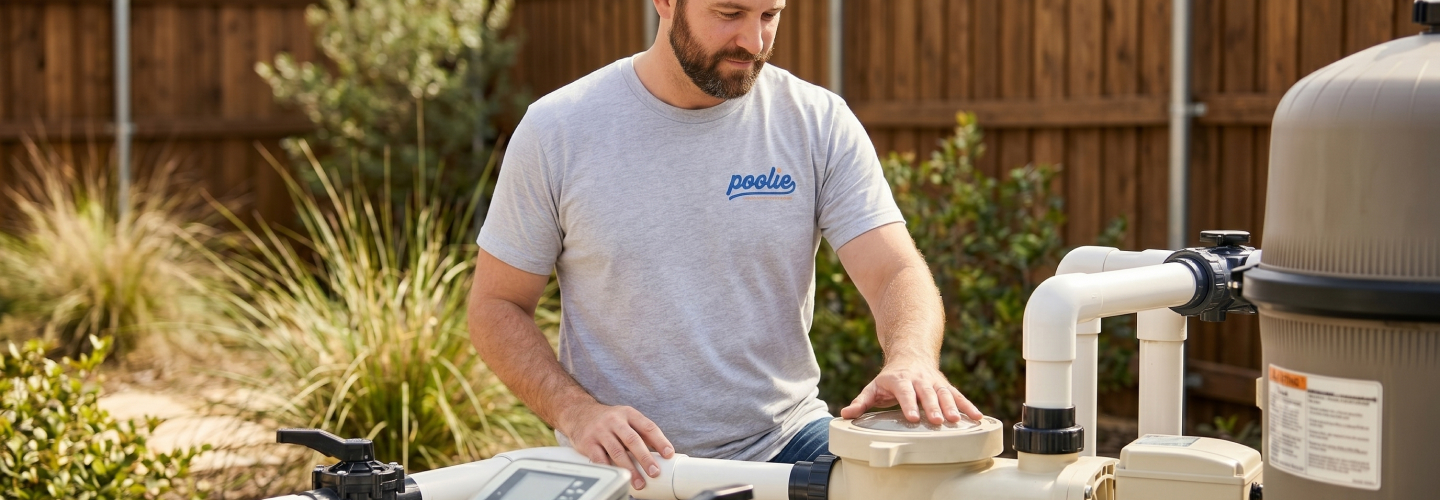
    • Pump and filter: Check for unusual noises and confirm proper water flow.
    • Chlorine and pH: Test daily during heatwaves. Intense sunlight and high temperatures can increase chlorine demand. Maintain free chlorine within the recommended range and avoid letting it fall below 1 ppm.
    • Surface skimming: Remove debris before it sinks and affects water quality.
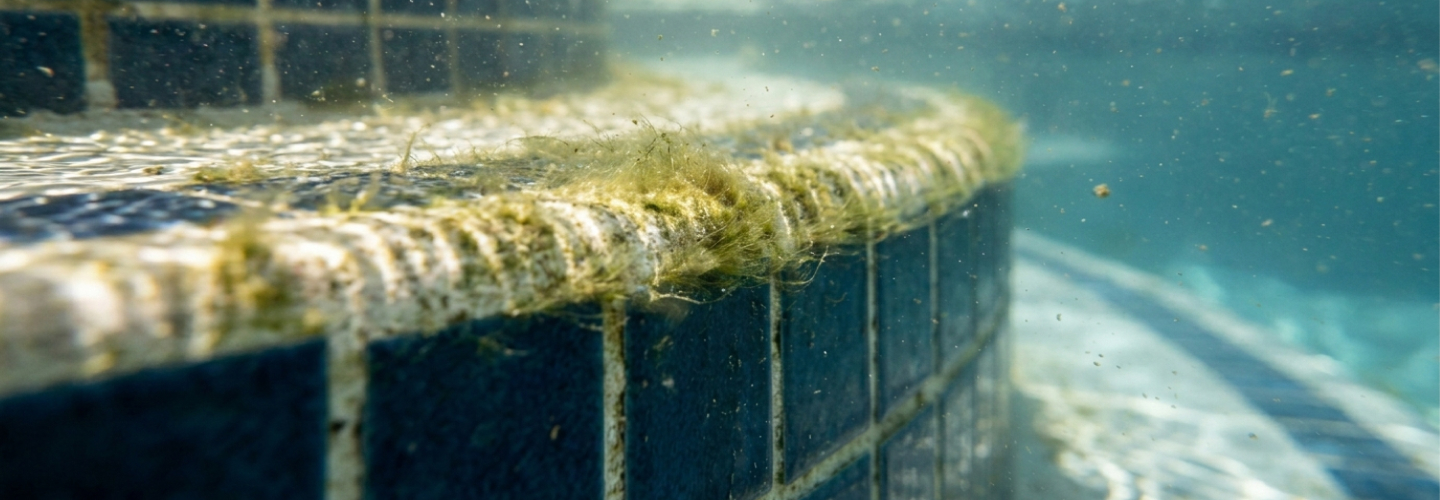
    • Visual scan: Look for cloudy water or early signs of algae, such as green, yellow, or black spots.

    Quick Tip: Keep your test kit and skimmer net handy by the pool to make these checks part of your morning or evening routine to stay ahead.

    What to Do Every 2–3 Days

    Every couple of days, take your pool care a step further to prevent issues from sneaking up:

    • Brush walls and steps: Algae attaches to surfaces. Regular brushing disrupts growth before it takes hold.
    • Empty skimmer and pump baskets: Clogs restrict water flow and reduce filtration efficiency.
    • Shock if needed: Consider shocking after heavy pool use, severe storms, persistent cloudiness, or if chlorine levels have dropped significantly.
    • Monitor water temperature: Warmer water can increase chlorine demand and accelerate changes in water chemistry.

    Why it matters: In the Texas heat, problems show up fast. These mid-week tasks keep your water clean, your equipment secured, and your pool inviting.

    Weekly Must-Dos

    Once a week, you can allot extra time for deeper maintenance. This is your chance to address the build-up and keep your pool healthy long-term:

    • Vacuum the pool floor and scrub the waterline: Remove oils, dirt, and buildup.
    • Full chemistry test: Check chlorine, pH, alkalinity, calcium hardness, and cyanuric acid.
    • Inspect the filter system: Check the pressure gauge and backwash or clean the filter when pressure rises significantly above the clean starting pressure.
    • Inspect equipment: Look for leaks, corrosion, or wear on your pump, filter, and fittings.
    • Review water clarity and sanitizer levels: Address minor chemistry issues early before they develop into algae growth or cloudy water.

    Tracking Tip: Use a pool care app, calendar reminder, or traditional checklist to stay on top of these tasks. Routine care is especially needed when the Texas heat is at its worst.

    Pump and Filter Best Practices During a Heatwave

    Your pump and filter play a critical role in maintaining water quality during periods of extreme heat. Higher temperatures can increase chlorine demand, algae risk, and overall strain on your pool system. Proper circulation and filtration help keep your water clean, balanced, and safe throughout the hottest months of the year.

    1) Optimize Your Pump Runtime

    When temperatures remain elevated for days or weeks, your pool may require more circulation than usual. Many pool professionals recommend increasing pump runtime during heatwaves to help distribute chemicals, improve filtration, and reduce the likelihood of algae growth.

    For many Texas pools, 10–12 hours of daily circulation is a good starting point during extreme heat, though the ideal runtime depends on factors such as pool size, equipment type, bather load, and water conditions.

    Some pool owners choose to split the runtime between the morning, afternoon, and evening to maintain circulation throughout the day. Others may run a variable-speed pump for longer periods at lower speeds to achieve similar results more efficiently.

    2) Monitor Filter Pressure

    Your filter removes the contaminants that become more common during hot weather. As debris and particles accumulate, filtration efficiency declines.

    Check your filter’s pressure gauge weekly. A reading 8–10 psi above baseline means it’s time to backwash or clean. Watch for reduced water flow, cloudy water, or noisy operation, as these signal your filter is struggling.

    Mark your filter’s normal clean pressure for easy comparison.

    Pro Tip: Write down your filter’s clean starting pressure so you always have a baseline for comparison.

    3) Protect Your Pump and Motor

    Heat pushes pumps hard during this season. Keep these basics in check:

    • Keep leaves, grass clippings, and debris away from the equipment pad to maintain proper airflow.
    • Maintain the water level at least halfway up the skimmer opening to prevent the pump from drawing air.
    • Check for leaks, rust, or unusual sounds weekly.
    • Schedule an annual professional inspection, especially around heatwave season.

    A little attention to your pump and motor is very useful during the extreme heat, as it can lower the risk of unexpected breakdowns when your pool depends on it most.

    4) Manage Water Temperature Efficiently

    In most Texas summers, pool water warms naturally without the need for additional heating. Unless you’re intentionally heating the pool or spa, running a pool heater during a heatwave is often unnecessary and can increase energy costs.

    If your water becomes uncomfortably warm:

    • Run the pump during cooler nighttime hours.
    • Use a fountain, aerator, or water feature to increase evaporative cooling.
    • Consider shade structures or partial pool covers designed for summer use.
    • If desired, install a dedicated pool chiller or heat pump with cooling capability for greater temperature control.

    A few simple adjustments to circulation, filtration, and equipment maintenance improve your pool’s performance during a heatwave and help prevent more water quality issues. Consistent attention to these areas can make it easier to maintain clear, balanced water during heat.

    Manage Water Loss and Scaling

    Evaporation is one of the biggest challenges associated with pool maintenance during extreme Texas heat. As water evaporates, minerals remain behind, increasing the risk of scale buildup. If they are left unchecked, these concentrated minerals can contribute to cloudy water and reduced equipment efficiency.

    Slow Down Evaporation

    Water loss becomes a constant challenge when temperatures remain high. Staying ahead of evaporation helps maintain proper equipment operation and support balanced water chemistry.

    • Use a pool cover: Solar covers can significantly reduce evaporation while helping maintain more stable water chemistry.
    • Add shade where practical: Umbrellas, shade sails, pergolas, and other structures can reduce direct sunlight on the water.
    • Run the pump during cooler hours: Early morning or nighttime circulation can help limit heat buildup
    • Reduce wind exposure: Fences, landscaping, and other windbreaks can help minimize wind-driven evaporation.

    As an added benefit, these methods conserve water and lower your bill. They also help maintain more stable pool chemistry and reduce the frequency of top-offs.

    Preventing and Managing Scale Buildup

    Scale (the white, chalky residue on tiles and ladders) forms when calcium levels are high, and water is hot. To prevent it:

    • Test and adjust calcium hardness, pH, and alkalinity weekly
    • Use a commercial scale inhibitor to keep minerals suspended
    • Brush surfaces at least once a week

    If scale has already formed:

    • Light deposits may be removed with appropriate scale-removal products.
    • More severe buildup may require professional cleaning or treatment.

    Important: High pH and high calcium hardness together significantly increase the likelihood of scale formation, especially during prolonged periods of extreme heat.

    Detecting and Fixing Leaks

    Not all water loss is evaporation. Use the bucket test: fill a bucket with pool water, mark levels inside and outside, and set it on a pool step. After 24 hours, if the pool has dropped more than the bucket, you might be experiencing a leak.

    Also inspect:

    • Skimmers and return fittings
    • Pump and filter connections
    • Valves and plumbing joints
    • Visible cracks around equipment

    Small leaks can quickly become larger and more expensive problems. If you suspect a leak and cannot identify the source, professional leak detection is often the fastest and most cost-effective solution.

    Essential Chemicals for Pool Care During a Heatwave

    Hot weather, intense sunlight, and increased pool use can place additional demand on your water chemistry. Having the right chemicals available can help you respond quickly when conditions change.

    Keep these essentials on hand throughout summer:

    • Chlorine: Your primary sanitizer. Maintain free chlorine within the recommended range and avoid letting it fall below 1 ppm. During Texas heatwaves, many pool owners find that maintaining 2–4 ppm provides a greater margin of protection. Adding liquid chlorine in the evening can help reduce immediate UV loss.
    • Cyanuric acid/stabilizer: Helps protect chlorine from being broken down by sunlight. Most outdoor pools perform best with CYA levels between 30–50 ppm, though some saltwater pools may operate at slightly higher levels.
    • pH adjusters: maintain pH between 7.2 and 7.8. Test every other day
    • Total Alkalinity Adjusters: Total alkalinity helps stabilize pH and reduce sudden chemistry swings. Most pools perform best with alkalinity between 80–120 ppm.
    • Calcium Hardness Adjusters: Proper calcium hardness helps protect pool surfaces and equipment. Recommended levels vary based on the type of pool surface and your local water conditions.

    Optional Products That May Help

    • Algaecide: Can provide an additional layer of protection during periods of extreme heat or when chlorine demand is unusually high. However, it should supplement proper sanitation, not replace it.
    • Phosphate Remover: May be beneficial in pools with persistent algae issues or unusually high phosphate levels, but it is generally not necessary if chlorine levels are properly maintained.

    During periods of extreme heat, test free chlorine and pH daily and perform a more complete chemistry test at least once per week. Addressing small imbalances early is far easier and less expensive than correcting a major algae bloom or water-quality problem later.

    After the Heatwave: Recovery and Reset

    When temperatures finally drop, run a full water test before anyone goes for a swim or any other pool activity. Extreme heat can push every parameter out of range simultaneously.

    Start with a complete water test and check:

    • Free chlorine
    • pH
    • Total alkalinity
    • Calcium hardness
    • Cyanuric acid (CYA)

    Post-Heatwave Cleanup Checklist

    1) Skim and vacuum the pool

    2) Brush walls, steps, and the waterline

    3) Empty all baskets

    4) Inspect and clean the filter or backwash if pressure indicates maintenance is needed.

    5) Shock the pool if necessary, particularly if chlorine levels are low, water is cloudy, or algae is beginning to develop.

    6) Monitor circulation and water clarity, and retest the water after any major chemical adjustments.

    Proper pool maintenance shouldn’t stop as soon as the heatwave ends. Post-heatwave recovery helps prevent lingering issues from carrying over into the rest of the season. Taking the time to rebalance your water and inspect your equipment helps restore optimal pool conditions.

    Professional Pool Service: When to Call the Experts

    Some situations are best handled by a professional more than DIY care, so call for support when:

    • Water stays cloudy, green, or foul-smelling despite cleaning and chemical treatment
    • Algae keeps returning after repeated shocking
    • Equipment makes odd noises, runs hot, loses pressure, or shows signs of leaking
    • You’re losing more than 1–2 inches of water per week without a clear cause
    • You can’t stabilize water chemistry on your own
    • You notice cracks, shifting tiles, or erosion around the pool deck

    Professional service provides accurate diagnosis, advanced tools, and preventative care that extends your equipment’s life, and it’s especially valuable during and after extreme weather.

    Frequently Asked Questions (FAQs)

    Do you have questions about keeping your pool safe during a Texas heatwave? Here are the answers to some of the most common concerns when the temperatures are high:

    1) How often should I test my pool during a heatwave?

    Test chlorine and pH daily. Running a full chemistry panel, including alkalinity, calcium hardness, and cyanuric acid, at least once a week can help preserve water quality and reduce the need for more extensive maintenance.

    Heat, sunlight, and increased pool use can cause water chemistry to change more quickly than normal. Catching small imbalances early can help prevent algae growth, cloudy water, and unnecessary chemical expenses

    2) Why does my chlorine keep disappearing?

    Intense sunlight and high temperatures increase chlorine demand, causing chlorine levels to drop faster than they would during milder weather. Maintaining cyanuric acid (stabilizer) within the recommended range helps protect chlorine from UV degradation. Adding chlorine in the evening can also reduce immediate sunlight loss. If chlorine levels continue to disappear rapidly, check your stabilizer level and inspect for algae growth, which can consume chlorine surprisingly quickly.

    3) What are the signs of unsafe pool water during extreme heat?

    Common warning signs include cloudy water, green, yellow, or black discoloration, visible algae growth, strong or unusual odors, eye or skin irritation, and difficulty maintaining normal chlorine levels. These symptoms often indicate an underlying water chemistry or sanitation issue that should be addressed before conditions worsen. The sooner you identify and correct the problem, the easier it is to restore water quality.

    4) How do I stop algae from taking over in summer?

    Algae thrive in warm water, making prevention especially important during hot Texas summers. The best defense is maintaining proper chlorine levels, ensuring adequate circulation, brushing pool surfaces regularly, and removing debris before it can contribute to water quality issues. If chlorine levels fall too low or water begins to look cloudy, take corrective action immediately. Some pool owners also choose to use a preventative algaecide, though proper sanitation remains the most effective way to prevent algae growth.

    5) When is it time to call Poolie instead of handling it myself?

    If problems persist after cleaning and chemical correction, or if equipment is behaving unusually, call for expert help. Poolie’s team handles everything from persistent algae to leak detection, so you can get back to enjoying your pool.

    Still have questions? Poolie is always here to help, just ask, and we’ll keep your pool care stress-free all summer long.

    Discover the Pool Service You’ve Been Looking For

    Long days and even weeks of extreme heat can affect every part of your pool, from water chemistry and circulation to evaporation, scaling, and equipment performance.

    Stay proactive with testing, maintenance, and timely adjustments before minor issues turn into expensive repairs.

    Texas heatwave pool care requires consistent maintenance, regular equipment checks, and prompt action to protect water quality, extend equipment life, and keep your pool ready throughout the summer.

    Fill out the form below to connect with the Poolie team today to talk about your needs, answer your questions, and help you get the most reliable pool care you can ever have. We’re here to make pool ownership easier, more enjoyable, and tailored to your needs and preferences.
  • Expert Summer Pool Chemistry Routine: What Pool Pros Test and Why It Matters

    Expert Summer Pool Chemistry Routine: What Pool Pros Test and Why It Matters

    Many pool owners are aware that water chemistry matters a lot, but only a few truly understand how pool professionals can be of great help to evaluate and manage their pools throughout the summer. An expert summer pool chemistry routine is more than occasional testing. It follows a structured process designed to track changing conditions and guide maintenance decisions.

    From routine chemistry checks and water analysis to troubleshooting common issues, professionals have specific measurements to understand what is happening beneath the surface.

    In the sections ahead, we’ll look through the testing priorities, evaluation methods, and maintenance practices that a professional approach provides for the best summer pool care.

    Why Summer Requires More Attention

    Water chemistry can change quickly during the summer months, which is why pool professionals monitor conditions closely throughout the seasonSeveral factors can contribute to faster fluctuations, such as:

    • Higher water temperatures can accelerate algae growth and increase chlorine demand.
    • Extended sun exposure can rapidly deplete free chlorine levels, especially when stabilizer (cyanuric acid) levels are too low.
    • Increased pool use introduces additional contaminants.
    • Rainfall can dilute chemicals, alter water balance, and introduce debris or contaminants into the pool.

    If your pool is not regularly monitored and tested, these changes can lead to issues such as algae, cloudy water, scaling, and reduced sanitizer performance. Consistent monitoring detects changes early, so more stable water conditions can be achieved.

    Expert Summer Testing Schedule

    An expert summer pool chemistry routine follows structured schedules based on industry standards rather than random visits. These practices align with the ANSI/PHTA/ICC-11 Water Quality Standard, an ANSI-accredited guideline developed by the Pool & Hot Tub Alliance and widely used by pool professionals to establish safe, consistent water chemistry ranges.

    The goal of this approach is to catch small imbalances before they escalate, extend equipment life, and keep the pool swim-ready at all times.

    Weekly Routine: The Essential Chemistry Checks

    Water chemistry can change quickly during the summer, making routine testing a critical part of pool care.

    pH Testing

    Test pH at least two to three times per week using a reliable test kit. The recommended range is 7.4–7.8, with many professionals targeting 7.4–7.6 for optimal swimmer comfort and sanitizer performance.  Outside this range, swimmers may experience eye and skin irritation, and chlorine becomes less effective.

    Free Chlorine

    Free chlorine serves as the primary defense against bacteria, viruses, and algae. Test chlorine at least twice per week and more frequently during periods of extreme heat, heavy rainfall, or increased swimmer activity. Chlorine targets should be adjusted based on cyanuric acid (CYA) levels, though many professionals maintain 3–5 ppm during the summer season.

    Total Alkalinity

    Alkalinity stabilizes pH and prevents unpredictable swings. Test it weekly and aim for 80–120 ppm. Low alkalinity causes pH instability. High alkalinity, on the other hand, leads to cloudy water and scaling.

    Visual Inspection

    Scan the pool for cloudiness, debris, or early signs of algae. Check for staining or scale on tile and equipment. Slight cloudiness or slippery walls can be the early warning signs, so you have to address them before they worsen.

    Monthly and Seasonal Checks

    Regular monthly analysis helps catch hidden imbalances before they cause larger water quality or equipment issues.

    Calcium Hardness

    Test monthly and target 200–400 ppm. Low calcium hardness can contribute to surface deterioration, while excessive levels may cause scale formation on pool surfaces and equipment.

    Cyanuric Acid (Stabilizer)

    Cyanuric acid (CYA) shields chlorine from UV degradation. Test it monthly and keep levels at 30–50 ppm. Low CYA causes rapid chlorine loss, while excessive CYA reduces chlorine’s sanitizing ability.

    Phosphates and Metals

    Phosphate and metal testing may be beneficial when recurring algae growth, staining, or unexplained water quality issues occur. Phosphates can contribute to algae growth, while metals such as iron and copper may cause staining or water discoloration.

    Comprehensive Water Analysis

    Once a month, or at the start and end of the season, bring a water sample to a professional pool store for a wider analysis. This initiative can greatly catch subtle imbalances that standard test kits can miss.

    After Heavy Use or Storms

    After pool parties, severe storms, or other significant contamination events, consider oxidizing or shocking the pool according to manufacturer recommendations. Follow all product directions and verify that chlorine levels have returned to a safe swimming range before reopening the pool.

    If algae has been a recurring concern, evaluate chlorine levels, CYA concentration, circulation, and filtration performance before relying on supplemental treatments. Algaecides can be used as a preventive measure, but they should support—not replace—proper water chemistry and sanitation practices.

    How Professionals Manage Pool Water Chemistry and Adjust Each Parameter 

    Accurate testing and careful adjustments are fundamental to professional pool water chemistry management and help keep key chemistry levels within their recommended ranges.

    Pool’s pH Should Be in the Right Range

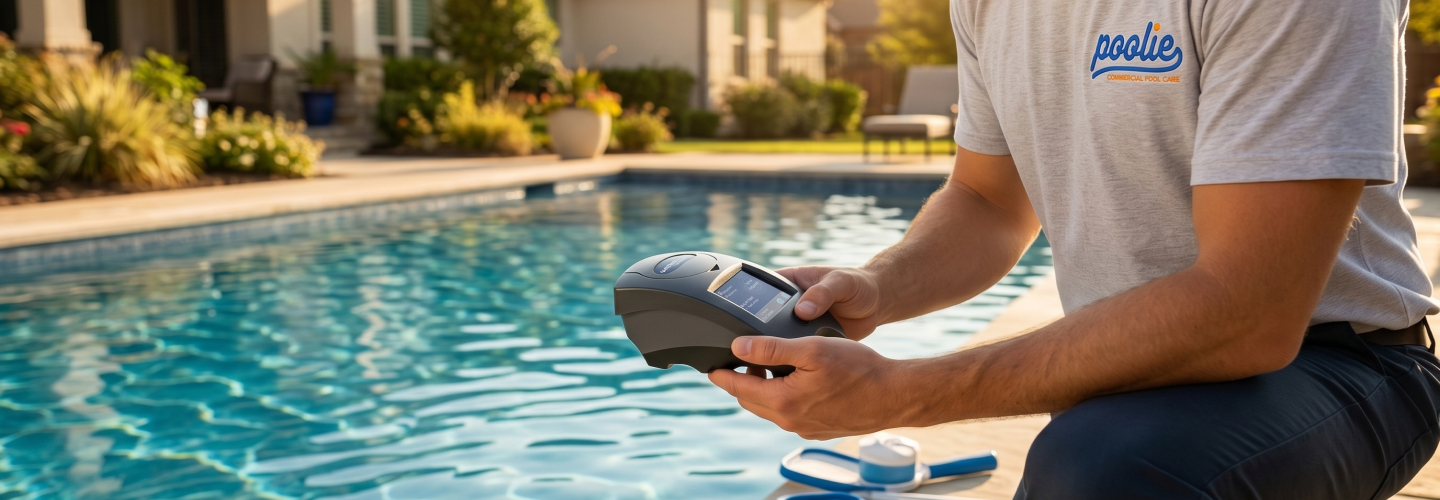
    Test pH regularly using a reliable liquid test kit or digital meter. Consistent testing helps identify trends and allows adjustments before water balance problems develop.

    If pH is too low, sodium carbonate (soda ash) can be used to raise it. If pH is too high, muriatic acid or sodium bisulfate can be used to lower it. Chemical adjustments should be made gradually, with the water allowed to circulate before retesting.

    Always follow product label instructions and add chemicals with the circulation system operating to ensure proper mixing.

    Managing Chlorine

    Professionals typically test both free chlorine and total chlorine. Free chlorine provides sanitation, while combined chlorine—the difference between total chlorine and free chlorine—can contribute to unpleasant odors and swimmer discomfort.

    If chlorine levels remain low despite regular treatment, potential causes may include excessive sunlight exposure, heavy swimmer loads, organic contamination, inadequate stabilizer levels, or the early stages of algae growth.

    Stabilized chlorine products can help protect chlorine from UV degradation, but cyanuric acid (CYA) levels should be monitored to prevent excessive stabilizer accumulation.

    Keeping Alkalinity Steady

    Total alkalinity acts as a buffer that helps prevent rapid pH fluctuations.

    To raise alkalinity, add sodium bicarbonate according to product directions and allow sufficient circulation before retesting. To lower alkalinity, muriatic acid can be added in controlled amounts while monitoring both alkalinity and pH.

    Because alkalinity influences pH stability, professionals often address significant alkalinity issues before making final pH adjustments.

    Adjusting Calcium and Stabilizer

    To increase calcium hardness, dissolve calcium chloride in a bucket before adding it to the pool. To decrease it, partially drain and refill with fresh water.  There is no chemical reducer for calcium.

    If CYA levels are low, stabilizer can be added according to product instructions, often by placing the product in a porous container near a return jet until dissolved. If CYA levels become too high, dilution through partial draining and refilling is typically the most practical solution.

    Common Summer Problems And How the Pros Fix Them

    Even well-maintained pools may develop problems, especially during summer. However, early action can help prevent more extensive issues.

    1) Algae Blooms

    Algae blooms are most commonly caused by insufficient sanitizer levels, poor circulation, inadequate filtration, or inconsistent maintenance. Elevated phosphate levels can contribute to algae growth when chlorine levels are not properly maintained.

    Professional approach:

    • Brush all pool surfaces thoroughly.
    • Remove visible debris.
    • Restore and maintain proper chlorine levels according to CYA concentration.
    • Improve circulation and filtration.
    • Use an algaecide when appropriate as a supplemental treatment.

    Prevention:

    Maintain proper sanitizer levels, ensure adequate circulation, and follow a consistent testing and maintenance schedule

    2) Cloudy Water

    It is usually caused by imbalanced pH or alkalinity, poor filtration, or heavy bather load.

    To fix the issue: Rebalance water chemistry, clean or backwash the filter, and run the pump longer. A clarifier helps particles clump for easier filtration.

    1. Scaling (White, Chalky Deposits)

    Scale typically develops when calcium hardness, pH, or total alkalinity levels become too high.

    To get rid of them: Correct the underlying water balance issue; lower pH, alkalinity, or calcium hardness when necessary; and remove existing scale using approved scale-removal products or professional cleaning methods.

    The best prevention is by testing regularly and using a sequestrant with hard water.

    1. Metal Staining (Brown, Green, or Blue Discoloration)

    Metal stains are commonly caused by iron, copper, or other dissolved metals oxidizing in the water. These metals may originate from fill water, corroding equipment, or certain chemical products.

    To get rid of staining: Identify the stain type, apply an appropriate stain treatment, use a metal sequestrant to keep dissolved metals suspended in the water, consider partial water replacement when metal concentrations are excessive.

    1. Rapid Chlorine Loss

    Rapid chlorine loss can occur due to intense sunlight, elevated water temperatures, heavy swimmer loads, low stabilizer levels, algae growth, or excessive organic contamination.

    To prevent rapid chlorine loss: Adjust the stabilizer to the correct range, then restore chlorine to safe levels. Increase testing frequency during heat waves.

    1. Eye and Skin Irritation

    This is commonly caused by an imbalanced pH or high chloramines.

    Avoid eye and skin irritation by adjusting pH to the ideal range and shocking the pool to break down chloramines.

    Pro Secrets for Stable Pool Chemistry

    Consistency is a must when it comes to professional pool care. Log test results to spot issues early. Brush surfaces and run the pump 8–12 hours daily to prevent algae and distribute chemicals evenly. Clean the filter regularly. Don’t wait for visible cloudiness. Always test and adjust after pool parties, storms, or heavy use.

    • Digital testers can improve accuracy and speed. 
    • Automatic chlorinators and feeders maintain sanitizer levels without the need for daily manual dosing.
    • Robotic cleaners handle scrubbing, and smart pumps automate circulation schedules.

    These tools help reduce human error and maintain more stable chemistry over time.

    For saltwater pools, test salt levels weekly and inspect the salt cell regularly to catch and address any hint of buildup immediately.

    Pools with pets require more frequent chlorine and pH checks, and also enzyme treatments to break down oils and organic material.

    New installations should be tested daily for the first two weeks because fresh surfaces can cause chemistry to fluctuate until they stabilize.

    When to Call a Professional

    As a pool owner, it is important to recognize when a problem requires expert intervention. Persistent cloudiness, recurring algae, chronic imbalances, and stains that won’t respond to standard treatments all call for a professional diagnosis.

    Major chemical imbalances, especially if chemicals were accidentally overdosed, are safer and, most of the time, more cost-effective to resolve with professional help.

    Equipment issues such as leaks, unusual noises, low flow, or malfunctioning pumps and filters should always be handled by a certified technician, as DIY repairs can make problems more difficult to deal with, or worse, they can void warranties.

    When choosing a pool service, look for certified technicians, proper insurance, verifiable reviews, and demonstrated knowledge of local water conditions.

    A qualified professional will test all key parameters, identify the root cause of issues, explain the diagnosis clearly, and provide a thorough service that covers both chemistry and equipment.

    Frequently Asked Questions About Professional Summer Pool Chemistry Routines

    1) How often should I test each chemical?

    Professionals recommend these testing schedules during the summer season:

    • pH: 2–3 times per week. Heat, use, and chemical additions cause shifts.
    • Chlorine: Every 2–3 days, or daily during heat waves and heavy activities.
    • Alkalinity: Weekly. It’s relatively stable but can shift after rain, refills, or chemical adjustments.
    • Cyanuric Acid (Stabilizer): Monthly, or after large water additions.
    • Calcium Hardness: Monthly, and after refilling.
    • Phosphates/Metals: Monthly, or sooner if algae or staining recurs.

    Summer heat, sunlight, and increased swimmers speed up chemical changes. More frequent testing helps catch imbalances as soon as possible.

    2) Can I use the pool right after shocking?

    No. Wait until free chlorine returns to the manufacturer’s recommended swimming range before entering the water. Depending on the type of shock used, this may take several hours or longer. Always verify chlorine levels with a reliable test kit before swimming.

    Pro Tip: Shocking in the evening helps maximize effectiveness because sunlight will not immediately break down the chlorine.

    3) Why does my chlorine drop so fast in summer?

    Several factors can increase chlorine consumption:

    • Intense sunlight and UV exposure
    • High water temperatures
    • Heavy swimmer loads
    • Low stabilizer (CYA) levels
    • Organic contaminants or early-stage algae growth

    Maintaining proper CYA levels and testing more frequently during hot weather can help reduce chlorine loss.

    4) What is the difference between a professional pool water chemistry program and DIY testing?

    Professional pool care combines routine testing, trend monitoring, equipment inspections, and precise chemical adjustments. While many homeowners successfully maintain their own pools, professional service can help identify developing problems earlier and maintain more consistent water quality throughout the season.

    Better Water Starts with Better Monitoring

    An expert summer pool chemistry routine works best when pool care is managed as a complete system rather than a series of individual tests. From pH and chlorine to alkalinity, stabilizer levels, and water analysis, each component contributes to overall pool performance.

    Staying on top of these factors helps reduce common backyard issues, supports cleaner water, and protects pool equipment from unnecessary wear.

    Don’t underestimate small adjustments because when they are made at the right time, they are far more helpful than correcting larger problems later.

    Following a consistent testing schedule, responding proactively after heavy rain and use, and recognizing warning signs helps keep maintenance more manageable throughout the season.

    Let Poolie Handle the Chemistry for You

    Keeping up with water testing, balancing, and ongoing maintenance takes time and attention to detail. Poolie’s experienced team can handle it for you to help you keep your pool cleaner, safer, and ready for fun and enjoyment. Get started today by filling out the form below.

  • Texas Heatwaves Break Pool pH: How to Protect Water Balance, Chlorine, and Equipment

    Texas Heatwaves Break Pool pH: How to Protect Water Balance, Chlorine, and Equipment

    Pools respond differently during periods of prolonged extreme heat, and many changes aren’t immediately obvious. When Texas heatwaves break pool pH, the effects can show up in ways that leave pool owners wondering why water conditions, chemical readings, or overall pool performance suddenly feel unpredictable.

    What makes these situations even more challenging is that multiple pool systems can be affected at the same time, making it difficult to identify what’s really causing the issue.

    A problem that appears to be isolated to water chemistry may have broader implications.

    In the sections ahead, we’ll discuss how extreme Texas weather influences pool conditions, which can provide valuable context for the changes you might notice throughout the summer.

    Why Texas Heatwaves Disrupt Pool pH

    Texas heatwaves can highly affect and put extra stress on pool chemistry because there are several factors working against water balance all at once.

    • UV exposure breaks down chlorine faster, reducing its ability to sanitize water.
    • Higher temperatures increase evaporation, which concentrates minerals and can affect pH levels.
    • Wind and water loss remove water and chemicals, making the balance harder to maintain.
    • Stabilizer (cyanuric acid) helps protect chlorine from UV degradation. During heatwaves, chlorine is exposed to more intense sunlight and higher demand, making proper stabilizer levels even more important for maintaining sanitation.

    Texas pools are often exposed to intense sun, higher temperatures, and heavier seasonal use than pools in many other regions. As a result, chemical levels can change more quickly and require closer attention.

    Pool pH: Why It Matters

    Pool pH measures how acidic or basic your water is. The ideal range is 7.2 to 7.8. When pH stays within this range, the water feels comfortable, chemicals work effectively, and equipment holds up well.

    Problems can develop quickly when pH levels fall outside this range. Low pH (acidic water) causes eye and skin irritation, corrodes equipment, and damages pool surfaces. High pH (alkaline water) clouds the water, weakens chlorine’s effectiveness, and causes scale buildup on tiles and filters.

    Improper pH is also an inconvenience because it can lead to health risks and expensive repairs.

    How Heat Throws pH Out of Balance

    When temperatures rise, evaporation increases and water temperatures climb, creating conditions that can make water chemistry more difficult to manage. Warmer water accelerates many chemical reactions and can increase the rate at which carbon dioxide leaves the water, causing pH to gradually drift upward. At the same time, intense UV rays consume chlorine more quickly, increasing overall sanitizer demand.

    In addition, heavy swimmer use, strong sunlight, wind-blown debris, and frequent water top-offs can further challenge water balance during periods of extreme heat.

    Topping off an evaporated pool with fresh water results in sudden pH drops or spikes. This will dilute your chemicals. Furthermore, wind carrying dust and debris introduces organic material that further disrupts balance.

    In short, heatwaves worsen every process that destabilizes pool pH, turning routine maintenance into a frequently monitored, daily task.

    Managing Chlorine, Stabilizers, and Alkalinity When It’s Hot

    During a heatwave, chlorine burns off faster than it can sanitize. Stabilizers (cyanuric acid) protect chlorine from UV breakdown. While stabilizer levels do not typically decrease because of heat alone, maintaining the proper level becomes increasingly important as UV exposure and chlorine demand rise during heatwaves.

    Alkalinity acts as a pH buffer, but high evaporation rates cause it to drop, making pH swings more severe.

    How to stay ahead:

    • Test your water daily during heatwaves and consider checking free chlorine levels in the late afternoon, when chlorine demand is often at its highest
    • Adjust chlorine and stabilizer levels more frequently.
    • Keep total alkalinity between 80–120 ppm.
    • Make small, incremental chemical adjustments rather than large corrections.

    Understanding what’s happening in your pool and responding quickly keeps your water sparkling, safe, and ready for every summer fun.

    What Happens When pH Is Unchecked

    When pH drifts out of range, it raises several issues:

    Chemical Loss Accelerates

    High pH makes chlorine less effective, while low pH causes it to burn off rapidly. Either way, you use more chemicals and spend more money.

    Watch for persistent cloudy water, strong chemical odors, or early algae growth, and test immediately if you notice any of these signs.

    Algae and Bacteria Thrive

    When chlorine doesn’t function as expected, warm Texas water can invite the growth of algae and bacteria.

    Brush pool surfaces regularly, run your filter longer during heat, and act fast with shock treatment at the first sign of green or slimy patches.

    Equipment Takes a Hit

    Acidic water corrodes metal parts, eats away at seals, and shortens pump and filter lifespans. High pH causes scale buildup that clogs pipes and reduces efficiency.

    Protect your investment with regular pH checks and equipment inspections.

    Swimming Becomes Unsafe

    Low pH causes skin and eye irritation, while high pH clouds the water and increases bacterial growth.

    If swimmers report red eyes, itchy skin, or a strong chemical smell, clear the pool immediately and don’t allow anyone back in until the pH and chlorine are within safe levels.

    Always test the water right away if you notice any of these warning signs. Don’t let anyone swim until the pH and chlorine are back in the safe range. Your health and your pool will thank you for taking initiative.

    Step-by-Step: How to Stabilize Pool pH During Texas Heatwaves

    A proactive approach to testing, chemical adjustments, and water monitoring can help reduce sudden chemistry changes during heatwaves.

    1) Test More Frequently

    During a heatwave, test at least once per day, and more often if the pool is used heavily or if the water clarity changes. Test at the same time daily to prevent further issues.

    Collect your sample from elbow-depth, away from jets or skimmers, for the most accurate reading. Use a quality test kit rather than simply looking at what’s visible.

    2) Adjust Chemicals Carefully

    Add chemicals in small, fair amounts rather than large doses. Never mix different chemicals. Add them one at a time and let each batch circulate fully before adding the next.

    Run your pump for at least 30 minutes after dosing. Always follow label instructions, and retest before adding more.

    3) Keep Alkalinity Stable

    Test alkalinity once a week during heatwaves. If it’s low, add sodium bicarbonate following the package directions. If it’s high, add small amounts of muriatic acid or dry acid gradually.

    Stable alkalinity keeps pH steadier and reduces the frequency of fixes needed.

    4) Use Stabilizers Correctly

    Aim for a cyanuric acid level of 40–60 ppm in most outdoor pools. Saltwater pools may require higher levels depending on the manufacturer’s recommendations.

    If levels exceed 70 ppm, partial draining and refilling are necessary. Test regularly and adjust as needed.

    5) Monitor Water Levels

    Check the water level daily. Aim to keep it halfway up the skimmer opening. When adding fresh water to compensate for evaporation, retest and readjust chemicals afterward because dilution affects concentrations.

    Watch for excessive water loss, as it may indicate a leak.

    Keeping water levels steady helps everything else, such as chemistry, equipment, and swimmer comfort, stay on track.

    Preventing Algae and Bacteria During Heatwaves

    Higher temperatures create favorable conditions for algae and bacterial growth. Preventive maintenance keeps water clean and healthy.

    Stick to a Cleaning Routine

    Every day, make it a habit to skim the surface and brush walls, steps, and corners. Additionally, vacuum the pool floor two to three times per week. Lastly, empty the skimmer and pump baskets weekly.

    Put more attention to areas with the highest traffic, such as the steps, ladders, and skimmers.

    Use Algaecide Preventively

    Keep chlorine and pH in range and apply algaecide during extended heatwaves.

    If algae appears, brush affected areas thoroughly, shock the pool with a high chlorine dose, run the filter continuously for 24–48 hours, and vacuum dead algae to waste.

    Shock Consistently

    Shock at dusk or after sunset so UV rays don’t burn off the treatment before it works.

    During extreme heat, shock at least once a week or immediately after heavy pool activities, cloudy water, or noticeable odors. Let the pump run overnight to circulate the treatment fully.

    Run Your Filter Longer

    During a heatwave, many pools benefit from running the filter 10–12 hours per day or longer if needed to maintain proper circulation and water clarity. Pools with heavy use, high temperatures, or larger debris loads may require additional runtime.

    Backwash or clean filters often, and inspect cartridges or grids weekly to prevent clogging.

    As the temperatures remain high, addressing potential issues early can help reduce the risk of more time-consuming and costly water quality problems.

    Protecting Pool Equipment from Heat Damage

    Watch for early warning signs of equipment stress: unusual pump noises, reduced water flow, leaking around equipment, cloudy water despite filtration, or a pump that shuts off unexpectedly. Catching these issues right away helps prevent larger failures.

    Before a heatwave, clean and inspect all equipment, check for leaks, and lubricate moving parts as recommended. During a heatwave, run the pump on cooler hours when possible and monitor water levels to avoid running the pump dry. After a heatwave, inspect the equipment thoroughly and clean all filters and baskets.

    If you encounter persistent leaks, major pressure drops, electrical issues, or recurring problems that basic troubleshooting doesn’t resolve, then it’s time to call in a certified pool professional.

    Texas Pool Owner FAQs

    Q1: Is it safe to swim when my pool pH is off?

    A: No. Low pH can cause skin and eye irritation and even damage your equipment. High pH also clouds water, reduces chlorine effectiveness, and allows bacterial growth.

    Keep everyone out until you’ve tested, corrected, and confirmed the pH is back in the 7.2–7.8 range.

    Q2: What’s the fastest way to fix pool pH after a heatwave?

    A: If pH is below 7.2, add a pH increaser according to the manufacturer’s directions. If pH is above 7.8, add a pH decreaser such as muriatic acid or sodium bisulfate. Add chemicals gradually, allow the water to circulate, and retest before making additional adjustments.

    Q3: Can I use household products to adjust pool chemistry?

    A: No. Household products are not formulated for pool use and can introduce impurities or damage surfaces and equipment.

    Always use pool-specific chemicals with clear dosing instructions.

    Managing Heatwaves Is About Consistency, More Than Constant Corrections

    Texas heatwaves can significantly affect pool chemistry and place additional stress on water balance because several factors are working against stable water conditions at the same time.

    While extreme temperatures can create additional maintenance challenges, many of the most common problems become more manageable when changes are identified and addressed early. Instead of addressing cloudy water, algae growth, chemical imbalances, or equipment strain after they appear, focus on building a consistent maintenance routine to prevent them.

    Regular testing, proper filtration, balanced water chemistry, and routine equipment inspections work together to support a healthier pool and help reduce avoidable repairs, chemical waste, and downtime throughout the hottest months of the year.

    Need Help Keeping Up With Summer Pool Demands?

    Heatwaves can make pool care more time-consuming. Let Poolie handle the testing, water balancing, cleaning, and equipment monitoring so your pool stays ready when you need it most. Fill out the form below to connect with the Poolie team and to get started.

  • Pump Pressure Changes: Warning Signs Your Pool May Have a Hidden Leak

    Pump Pressure Changes: Warning Signs Your Pool May Have a Hidden Leak

    Your pool system may start acting differently before a bigger issue becomes visible, and unexpected changes in pool pressure or circulation are one of the warning signs many pool owners dismiss quickly. Maybe the return jets feel weaker, circulation seems slower than normal, or the pressure gauge suddenly changes without a clear explanation.

    What makes pressure loss frustrating is that the cause is not always easy to spot. A hidden leak, restricted plumbing line, dirty filter, air entering the system, worn equipment part, or underground plumbing issue can all affect how your pool circulates water.

    Some problems stay minor, while others quietly grow into much more expensive repairs.

    Discovering what may be affecting your pool system and what pressure changes can point to helps put those warning signs into a better context before damage spreads further.

    How Water Pressure Systems Work

    Problems can start even before the water reaches your pool equipment. If your pump, plumbing, or valves aren’t moving water properly, your pool system won’t get a steady flow.

    A basic pool circulation system depends on these parts:

      • Pool and skimmers: Collect water from the pool surface and direct it into circulation.
      • Main drain and suction lines: Pull water from the pool toward the equipment pad.
      • Pool pump: Moves water through the circulation system.
      • Filter: Removes debris and creates resistance that appears on the pressure gauge.
      • Heater, chlorinator, or other equipment (if installed): Treats the water before it returns to the pool.
      • Return lines and jets: Send filtered water back into the pool.
    • Valves and plumbing: Control and direct water flow throughout the system.

    When any of these parts is clogged, leaking, partly closed, or failing, the flow of the water weakens. For your pool, that shows up as low return pressure, poor skimming, slow circulation, or unusual gauge readings.

    Common Causes of Pressure Loss

    Pressure loss can happen for several reasons, and some are more difficult to spot than others. Common causes include:

    Hidden Leaks

    Hidden leaks may begin in underground plumbing lines, around equipment connections, or within the pool structure itself, out of sight but actively affecting your system.

    Look for air bubbles in the pump basket, unexplained water loss, wet areas near equipment or plumbing lines, or lower-than-normal water levels.


    Pipe Blockages

    Debris, scale buildup, clogged baskets, dirty filters, or obstructions in plumbing lines can restrict flow and cause pressure or circulation issues.

    If the flow is slow or uneven, especially at the return jets, inspect skimmer baskets, pump baskets, and filter condition before assuming a plumbing blockage.


    Pump or Pressure Tank Issues

    If your pump or pressure tank starts to fail, you’ll notice pressure loss quickly. Watch for reduced circulation, unusual noises, air entering the system, difficulty priming, overheating, or visible leaks around the equipment.

    If basic troubleshooting doesn’t resolve it, the equipment may need repair or replacement.

    Valve Problems

    A partially closed, damaged, or incorrectly positioned valve can cause sudden pressure drops or spikes. Signs include fluctuating pressure throughout the house or water hammer, loud banging noises in the pipes.

    Some valves can be adjusted. Others may require professional repair or replacement.


    Dirty or Restricted Filter

    One of the most common causes of pressure issues is a dirty or overloaded filter. As debris builds up, water flow becomes restricted and circulation efficiency drops.

    Cleaning or servicing the filter can often restore normal operation.


    Underground Plumbing Leaks

    A leak in underground pool plumbing can reduce circulation and create ongoing pressure issues. Warning signs may include wet spots in the yard, unexplained water loss, air in the system, or equipment struggling to maintain flow.


    They require immediate professional attention as they escalate quickly and cause major structural damage.

    By keeping these common causes in mind, you’ll be better equipped to spot pressure loss early and take action before small issues become big problems.

    How Hidden Leaks Cause Pressure Loss

    Even a small pinhole leak can reduce water flow and system efficiency, affecting circulation and pressure throughout your pool system.

    When several small leaks run all at once, you’ll notice that your pump works harder, pressure drops further, and equipment wears out faster.

    Signs of Hidden Pool Leaks

    • Unexplained water loss beyond normal evaporation
    • Air bubbles returning through the jets or visible air in the pump basket
    • Wet spots around equipment or unexplained soggy areas near plumbing lines
    • Difficulty maintaining water level or keeping the pump primed
    • Cracks around the pool deck or signs of soil movement near plumbing runs

    Leak Detection Steps

    Check whether the pool water level is dropping faster than expected from normal evaporation.

    For pool-specific leaks, use the bucket test: Fill a bucket with pool water and place it on a pool step. Mark the water level inside the bucket and on the pool wall. After 24 hours, compare both levels. If the pool drops more than the bucket, you likely have a leak problem.

    If a leak is suspected, inspect visible equipment, valves, and plumbing for signs of dripping, air intrusion, or water loss.

    For pool-specific leaks, use the bucket test: Fill a bucket with pool water and place it on a pool step. Mark the water level inside the bucket and on the pool wall. After 24 hours, compare both levels. If the pool drops more than the bucket, you likely have a leak problem.

    When to Call a Professional for Leak Detection

    Some pressure problems are simple maintenance issues, but others require specialized equipment to diagnose properly.

    If pressure loss continues after cleaning filters, checking valves, and inspecting visible plumbing, professional leak detection may be necessary.

    Professionals may use:

    Professionals may use:

    • Acoustic listening devices
    • Pressure testing equipment
    • Dye testing
    • Electronic leak locating or sonar-based detection tools
    • Plumbing inspections

    Early diagnosis can prevent more serious structural damage and equipment failure.

    Preventing Future Pressure Loss Problems

    Routine maintenance helps reduce the risk of long-term and costly pressure problems. Small issues are usually easier and less expensive to fix before they affect the entire system.

    Routine Maintenance Checklist

    • Inspect visible pipes, fittings, and equipment weekly for moisture or drips.
    • Clean pool filters according to manufacturer recommendations and clean pump and skimmer baskets weekly.
    • Monitor pressure gauges regularly and watch for sudden changes from your normal operating pressure.
    • Inspect and clean circulation components seasonally to reduce debris buildup and flow restrictions.
    • Schedule an annual professional inspection.

    Equipment Upgrades to Consider

    • High-efficiency pumps maintain steadier pressure and use less energy.
    • Advanced filtration systems trap debris more effectively.
    • Variable-speed pumps can improve circulation efficiency and reduce system strain.
    • Corrosion-resistant pipes and fittings extend the lifespan of your system.

    Water Chemistry

    Poor water quality causes mineral buildup, corrosion, and clogs, which can all contribute to pressure loss. Test your pool water at least once a week for pH, chlorine, alkalinity, calcium hardness, and other key water balance factors as needed.. Keep chemical levels balanced and address cloudy water or unusual smells immediately.

    A healthy pool is a happy pool, and giving your water quality attention and care pays off with fewer headaches and more consistent circulation and equipment performance all year long.

    The Cost of Ignoring Pool Pump Pressure Loss

    Ignoring pump pressure loss can lead to worse, compounding problems. Your pump works harder to keep water moving, which can strain the motor and shorten its lifespan. In some cases, the pump can fail.

    Beyond equipment damage, unchecked pressure loss can lead to:

    • Higher water usage and utility costs if water loss requires frequent refilling
    • Damage to pool equipment, plumbing, or surrounding areas from ongoing leaks
    • Poor circulation that can contribute to water quality issues and algae growth
    • Expensive repairs if underground leaks, equipment failures, or structural pool issues go unresolved

    Early action and fixing problems early are always less expensive than waiting for a crisis.

    Restoring and Maintaining Strong Pool Pump Pressure

    Pool pressure problems don’t usually stay small for long. What starts as weaker circulation or an unusual gauge reading can eventually affect your plumbing, equipment, water quality, and increase repair costs over time.

    Hidden leaks, dirty filters, clogged lines, aging pipes, and failing components all put extra strain on your system when they go overlooked and unfixed for too long.

    Paying attention to pressure changes early gives you a better chance of limiting damage before repairs become larger and more disruptive.

    Regular inspections, balanced water chemistry, clean filtration, and professional evaluations when something feels off all help your pool system operate the way it should. Small warning signs are easier to address and manage than major repairs later.

    Don’t Wait for Pressure Problems to Get Worse

    If your pool pressure has been inconsistent or if something about your circulation system feels wrong, then it’s time to get it checked professionally.

    Poolie can help identify the cause, prevent further damage, and keep your pool system running reliably. Fill out the form below to schedule service.

    Frequently Asked Questions (FAQs)

    1) How much pressure loss is normal?

    For most pools, the gauge should read between 10 and 20 psi. A drop of 2–3 psi after routine maintenance is normal.

    A sudden drop of 5 psi or more, or pressure that stays below 10 psi, signals a leak, blockage, or equipment problem that needs attention.

    2) Can I use my pool if the pump has low pressure?

    It’s recommended not to. Low pressure means the pump isn’t circulating water effectively, which compromises filtration and chemical distribution. This leads to cloudy water, algae growth, and unsafe conditions.

    Pause pool use, check for obvious issues like dirty filters or closed valves, and call a professional if pressure doesn’t recover.

    3) How do I know if it’s a leak or a blockage?

    Leaks usually show up as unexplained water loss, damp spots, or higher water bills. You may also hear water running when everything is off. Blockages, on the other hand, cause slow or uneven flow in specific areas, and cleaning the filter or removing debris from pump baskets temporarily restores pressure.

    If you’re unsure, check for visible leaks first, then clean the filters. If the problem persists, get a professional inspection.

  • Texas Summer Pool Algae Prevention Before Blooms Start

    Texas Summer Pool Algae Prevention Before Blooms Start

    Texas summer conditions can turn a clear pool into an algae problem faster than many pool owners expect. Heat, storms, debris, heavy pool use, and shifting water chemistry all create conditions where algae can spread quickly if small issues go unnoticed. That’s why summer pool algae prevention becomes far more important once temperatures stay high consistently.

    A pool may still look mostly clean while circulation, filtration, sanitizer performance, or debris buildup quietly fall behind. By the time visible algae appear, cleanup is often more expensive, time-consuming, and harder on pool equipment.

    This article covers the conditions that commonly trigger algae growth during Texas summers, the warning signs pool owners should watch for, and the steps that help stop blooms before they spread.

    Why Algae Spreads Faster in Hot Weather

    Texas pools become more vulnerable to algae during hot weather, especially when water temperatures stay elevated for extended periods.

    Warm water, direct sun exposure, debris, and inconsistent water balance can create conditions that support algae growth and make problems more difficult to control once they start.

    Common types of pool algae include:

    • Green algae: causes cloudy water and slippery surfaces
    • Yellow (mustard) algae: often appear in shaded areas and can resemble dirt or pollen
    • Black algae: forms dark spots that attach deep into pool surfaces

    Hot conditions cause heavy pool use, storm runoff and debris, low chlorine efficiency, and even poor circulation in low-flow areas.

    In Texas, pools can shift quickly from balanced to unstable during periods of prolonged heat. What starts as slight cloudiness or buildup can spread fast if underlying conditions are ignored.

    Algae blooms can also lead to:

    • Higher chemical usage
    • Increased filter strain
    • Reduced water clarity
    • Surface staining and equipment wear
    • Unsafe swimming conditions if bacteria begin to grow alongside algae

    Understanding how these conditions affect your pool explains why algae prevention becomes more demanding during Texas summers.

    The Pillars of Proactive Prevention

    Summer algae prevention usually comes down to three areas:

    • Water chemistry
    • Circulation
    • Cleaning consistency

    If one area is missed, algae becomes harder to control. Staying consistent with these basics can reduce the chances of blooms developing during extreme heat.

    Water Chemistry Beyond Basic Chlorine

    Chlorine matters, but it is not the only factor that affects algae prevention. Water balance, stabilizer levels, and contaminants all influence your sanitizer during Texas summers.

    CYA Management

    Cyanuric acid (CYA), or stabilizer, helps protect chlorine from UV exposure. However, excessively high CYA can reduce chlorine effectiveness unless free chlorine levels are adjusted appropriately, increasing the risk of algae growth and making recovery more difficult.

    Helpful CYA guidelines:

    • Test CYA levels at least monthly
    • Maintain CYA based on sanitizer type and manufacturer guidance
    • Many traditionally chlorinated residential pools commonly operate around 30–50 ppm
    • Saltwater chlorine generator pools often operate at higher ranges, commonly 60–80 ppm, depending on manufacturer recommendations
    • Partially drain and refill if CYA becomes excessive
    • Avoid overusing stabilized chlorine products

    Balanced stabilizer levels help chlorine work more effectively during sun exposure.

    Phosphate Control

    Phosphates enter pools through debris, rainwater, pollen, and landscaping runoff. Since algae feed on phosphates, high levels can increase bloom risk.

    To reduce phosphate buildup:

    • Skim and vacuum regularly
    • Remove leaves and debris quickly
    • Backwash or clean filters consistently
    • Use phosphate removers if levels become excessive

    Keep debris under control to limit the organic material algae rely on.

    Optimized Circulation for High Temperatures

    Strong circulation helps distribute chlorine evenly and reduces stagnant areas where algae can develop. During Texas summers, many pools require longer pump run times because warmer water and heavier usage increase system demand.

    General guidelines:

    • Many pools operate effectively during summer between 8–12 hours daily
    • Variable-speed pumps often achieve similar turnover rates at lower speeds over longer periods
    • Runtime should ultimately be adjusted based on water clarity, equipment performance, temperature, and pool usage

    Running the pump during summer can also help maintain more consistent sanitizer coverage.

    Strategic Algaecide and Enzyme Integration

    During periods of heavy heat and pool activity, specialty products like algaecides and enzymes can support regular maintenance routines.

    The Role of Enzymes in Hot Water

    Enzymes break down organic contaminants (body oils, sunscreen, pollen) that algae feed on. As water temperatures rise, these materials accumulate faster.

    Pools that incorporate enzymes appropriately may see:

    • Improved water clarity
    • Reduced filter loading
    • More efficient sanitizer performance

    Weekly Treatment Schedule

    If using supplemental products:

    • Select pool-compatible algaecide and/or enzyme products
    • Follow the manufacturer’s dosage recommendations
    • Apply products with the pump running for distribution
    • Allow sufficient circulation afterward according to product instructions

    Routine preventive algaecide use may not be necessary for every pool, and maintaining proper sanitizer levels remains the primary defense against algae.

    Physical Barriers and Environmental Controls

    The environment around the pool can also affect algae growth. Sunlight, debris, and landscaping all contribute to water conditions during Texas summers.

    Pool Covers

    They help reduce algae risk by limiting sunlight and debris exposure. Benefits may include reduced debris buildup, less direct sunlight, lower evaporation, and improved water retention. However, covers can also trap heat if left on too long during extreme temperatures.

    For Texas pools:

    • Opaque safety covers block most of the sunlight
    • Solar covers retain heat but block less light
    • Mesh covers help with debris but allow more light exposure

    Regular cleaning and water testing still matter even when using a cover.

    Landscaping and Debris Management

    Trees, grass, pollen, and storm debris can quickly affect the quality of your pool water.

    To reduce contamination:

    • Trim overhanging branches
    • Use lower-shedding plants near the pool
    • Clean skimmer baskets weekly
    • Vacuum after storms or windy days
    • Rinse debris away from the deck instead of into the pool

    Reducing organic debris helps lower algae pressure during the hottest months.

    Equipment Health and Filter Maintenance

    Pool equipment holds a major role in algae prevention. Dirty filters and poor circulation can make water balance more difficult to maintain.

    Filter Maintenance

    During summer, filters collect sunscreen residue, debris, pollen, and contaminants more quickly.

    General guidelines:

    • Cartridge filters: clean based on pressure rise and manufacturer recommendations; many residential pools require cleaning every several weeks to a few months depending on conditions
    • Sand filters: backwash when pressure rises above normal operating range (often around every 1–2 weeks, depending on conditions)
    • DE filters: clean and recharge based on pressure and manufacturer guidance (commonly every 2–4 weeks depending on conditions)

    Monitor filter pressure regularly rather than relying only on calendar schedules.

    Early Warning Signs of Algae

    Algae problems often start to show gradually before becoming obvious.

    Common warning signs include:

    • Slightly cloudy water
    • Slippery pool surfaces
    • Green, yellow, or dark patches on walls or steps
    • Streaking after brushing
    • Musty odors near the water

    If chlorine demand increases unexpectedly or free chlorine drops rapidly, early algae growth or elevated organic load may be contributing.

    Spotting these signs early makes cleanup easier and prevents larger blooms from developing.

    When to Call a Professional

    Some algae problems require more than routine cleaning and chemical adjustments.

    If algae keeps returning, water stays cloudy after treatment, black algae develops, or circulation problems continue, there may be underlying issues involving filtration, water balance, or pool equipment performance.

    Professional inspections can help identify the source of recurring algae problems before they lead to larger cleanup or equipment issues.

    Keep Your Pool Clear and Algae-Free Through the Texas Heat

    Texas summer conditions can put constant stress on pool systems, especially during long stretches of heat, storms, and heavy pool use. Preventing algae usually comes down to consistency: balanced water chemistry, strong circulation, clean filtration, and early response to warning signs.

    If maintaining those conditions becomes difficult, professional pool care can help prevent recurring algae problems before they affect water quality or equipment performance.

    Poolie helps Texas pool owners stay ahead of algae, circulation issues, and summer water balance challenges with reliable maintenance and expert pool care. Fill out the form below or contact Poolie to schedule service and keep your pool ready through the hottest months of the year.

  • Memorial Day Pool Prep for a Safe and Guest-Ready Pool

    Memorial Day Pool Prep for a Safe and Guest-Ready Pool

    Memorial Day weekends sneak up fast for pool owners. One minute you’re planning food and seating, and the next you’re checking water levels, listening for odd equipment noises, and wondering if the pool is truly ready for guests. With Memorial Day pool prep, small details start to matter quickly.

    Water chemistry, circulation, filtration, safety checks, and backyard setup all affect how smoothly the weekend goes when people start showing up.

    This guide walks through the areas pool owners often overlook before a busy holiday weekend to help you identify what deserves your attention first.

    Memorial Day Pool Prep Starts Before the Holiday Week

    Start preparation early because pools can hide problems that need time to fix. Begin at least two weeks in advance to avoid delays:

    • Water chemistry that requires multiple adjustments to properly balance
    • Equipment that sounds off or runs inefficiently
    • Filters that need cleaning or replacement
    • Small leaks around the equipment pad
    • Service appointments that may book up before the holiday

    Early prep makes problems easier to fix, allowing water to circulate, respond to treatment, and stabilize into safer swimming conditions.

    Timeline: How Far in Advance Should You Start?

    Start your Memorial Day pool prep about 2–3 weeks before your planned swim day. This gives you enough time to handle water balance issues, equipment problems, repairs, and cleanup before guests arrive.

    Here’s a simple timeline to guide your prep:

    Two Weeks Out:

    • Remove and rinse the pool cover.
    • Inspect pump, filter, heater, and lights for signs of damage or wear.
    • Start filling the pool if the water levels are low.
    • Schedule any needed repairs early, before holiday availability becomes limited
    • Test and balance water chemistry.

    One Week Out:

    • Shock the pool to help oxidize contaminants and refresh water quality
    • Clean or replace filters as needed.
    • Brush and vacuum the pool.
    • Check that safety equipment is ready.
    • Make sure the pump and filtration system are running consistently

    The Day Before:

    • Do a final skim and vacuum.
    • Test and adjust water chemistry again.
    • Wipe furniture, check floats and toys.
    • Place emergency equipment where visible.

    Common Mistakes to Avoid:

    • Waiting until the last minute
    • Skipping water testing
    • Ignoring weak circulation or leaks
    • Relying on quick chemical fixes

    Following this timeline sidesteps the usual pre-holiday panic.

    Equipment: Check Your Pool’s Core Systems

    Your pool equipment should be checked before heavy holiday use begins. Small problems can become larger and more expensive repairs once the system starts to run daily again.

    Pump Motor Check

    Turn the system on and listen for grinding, squealing, or rattling noises. Watch for weak return flow and check for leaks around the equipment pad.

    If the pump struggles to circulate water or if it has unusual sounds, immediately schedule service before the holiday weekend.

    Filter Inspection

    Different filters need different checks:

    Dirty or damaged filter media can lead to cloudy water and poor circulation.

    Check for Leaks

    Leaks reduce performance. Check connections and seals:

    • Check seals and unions for cracks or brittleness
    • Look for dripping water around pumps, valves, and plumbing connections
    • Tighten loose fittings if appropriate
    • Lubricate O-rings with pool-approved lubricant
    • Replace visibly worn seals or components as needed

    Watertight systems run efficiently and prevent water loss or costly repairs.

    Pool Safety and Chemistry Are The Essentials

    It’s easy to assume that if your pool water looks crystal clear, it must be safe. However, clear water can still contain harmful microorganisms or hidden chemical imbalances that affect swimmer comfort, sanitation, and overall water quality.

    Proper chemical balancing is about more than appearance. It’s not just about sparkling water, but about protecting everyone who swims. Properly balanced water keeps skin and eyes comfortable, prevents the growth of harmful microorganisms, and ensures your pool equipment runs effectively.

    Order of Chemical Addition

    Adding pool chemicals in the right order is crucial for balance and effectiveness:

    1) Adjust total alkalinity for stable pH.

    2) Balance pH to 7.4–7.6.

    3) Add calcium hardness to protect surfaces and equipment.

    4) Add chlorine or another sanitizer once the water is balanced

    5) Shock the pool to help oxidize contaminants and refresh water quality

    6) Add specialty products like algaecides or clarifiers last, if needed

    Avoid adding chlorine or shock before balancing pH and alkalinity, dumping chemicals all at once, or skipping proper circulation between additions.

    Filtration and Biological Safety

    Filtration plays an important role in removing debris, organic material, and fine particles that can affect water clarity and circulation. Proper filtration also supports overall sanitizer effectiveness.

    If the pool has recently been opened, heavily used, or treated for algae, allow the filtration system to run continuously until the water fully clears and balances.

    Additional maintenance steps include:

    • Brushing pool walls and steps to loosen buildup
    • Vacuuming settled debris
    • Cleaning or backwashing the filter as needed
    • Monitoring circulation for weak flow or dead spots

    Use a reliable pool test kit for routine testing, and consider professional water testing if the pool has recurring algae, cloudy water, or balancing difficulties.

    A safe swimming pool should not only look clear, but also maintain proper circulation, filtration, and balanced water chemistry throughout the system.

    Making Your Pool Guest-Ready

    Beyond cleanliness, a guest-ready pool prioritizes safety for all ages. Simple precautions ensure everyone can enjoy the water with confidence.

    Emergency Preparedness

    Always have these poolside:

    • Life ring or rescue hook
    • First aid kit
    • Charged phone
    • Pool address visible to guests and responders

    Briefly review what to do in emergencies, like who calls for help, who uses the life ring, and where to meet if evacuation is needed.

    Establishing Pool Rules

    Post simple, visible pool rules for safety:

    • No diving in shallow areas
    • No running on pool decks
    • Supervise children
    • No glass near water
    • Assign a water watcher during gatherings

    Layering in these safety steps creates a poolside environment that’s truly guest-ready so that everyone can splash, play, and relax.

    Troubleshooting Last-Minute Issues

    Unexpected problems can arise, but most are fixable with a calm, step-by-step approach.

    What if the Water is Cloudy?

    Cloudy water is one of the most common last-minute headaches, but it can be addressed quickly. Here’s how to diagnose and clear things up:

    Causes: imbalanced water chemistry, dirty or inefficient filtration, poor circulation, or excess debris.

    Action: Test and adjust chemicals, clean or backwash filters, shock the pool if sanitizer levels are low or contaminants are present, brush and vacuum, and run the pump for 24–48 hours.

    Depending on the cause, clearing cloudy water may take anywhere from several hours to a couple of days.

    What if the Pump Won’t Prime?

    Causes: air leaks, blocked skimmer or pump baskets, suction-side plumbing blockages, or low water levels.

    Action: Check water level, tighten fittings, empty skimmer, and pump baskets. Inspect and tighten fittings around the pump, check the pump lid O-ring for cracks or dryness, refill the pump housing with water if needed before restarting, and observe. If issues persist, call a professional.

    If the pump continues losing prime or struggles to circulate water properly, professional service may be needed to diagnose the issue safely.

    Even well-maintained pools can experience last-minute problems before a holiday weekend. Addressing issues early and staying methodical can help keep your Memorial Day plans on track.

    Pool Parties Should Feel Comfortable and Fun

    Create an inviting space with clean floats, organized games, and comfortable seating. Even small details help guests relax and enjoy the day.

    • Inspect and clean pool floats and toys before the party. Check for damage, wash thoroughly, and store them in an accessible spot for guests.
    • Set up pool games like volleyball, relay races, or treasure hunts. Explain rules, ensure games are age-appropriate, and encourage safety for all participants.
    • Arrange patio furniture in clusters, provide shade, and add side tables for guest comfort. Decorative touches like pillows or lights create a welcoming vibe.

    A little preparation ensures your pool party will be the place everyone wants to be, which is comfortable, fun, and full of summer spirit.

    Why Early Pool Prep Pays Off All Season

    A successful Memorial Day pool prep is the result of handling the basics before problems build up. Water balance, circulation, filtration, equipment checks, and pool safety all work together, and overlooking one area quickly affects the rest. Taking the time to inspect your system, test your water properly, and prepare your pool helps prevent rushed fixes once guests arrive.

    Remember that pool care doesn’t stop after the holiday weekend. The habits you build during opening week can shape how your pool performs through the rest of the season.

    Staying consistent with maintenance, water testing, and equipment checks can help you avoid larger repairs, unsafe swimming conditions, and unnecessary stress later on.

    Book Your Pool Prep Before the Holiday Rush

    Pool problems are easier to prevent than fix once the season gets busy. If you want professional support before Memorial Day, Poolie can help you handle water balance, equipment checks, cleaning, and pool safety before guests arrive. Fill out the form below or contact Poolie to get your pool ready for the holiday weekend.

    Frequently Asked Questions (FAQ)

    1) Can I open my pool 3 days before Memorial Day?

    Technically, yes, but it can be challenging. Water might not be balanced, equipment issues can arise, and there may not be enough time for filtration.

    If you need to open the pool on short notice:

    • Remove debris as quickly as possible
    • Test and balance water chemistry
    • Run the pump and filtration system continuously
    • Clean or backwash the filter if needed
    • Shock the pool if sanitizer levels are low or contaminants are present
    • Use clarifiers only if appropriate for the specific water condition

    If major issues appear, professional pool service may help speed up the recovery process before guests arrive.

    2) Do I need a professional to open my pool?

    Many pool owners handle opening themselves. However, professional assistance can be helpful if you discover:

    • Equipment leaks
    • Pump or heater problems
    • Electrical or automation issues
    • Persistent algae or cloudy water
    • Water chemistry that will not stabilize

    Professional service may also be worth considering for first-time pool owners or pools with more advanced equipment systems.

    3) How much chlorine is too much for swimming?

    For most residential pools, free chlorine is commonly maintained around 1–3 ppm, though the ideal level can vary depending on stabilizer (CYA) levels and local conditions.

    Excessively high chlorine levels may cause swimmer discomfort, including eye or skin irritation.

    Always test the water before swimming, especially after shocking the pool. If chlorine levels are too high:

    • Allow time for chlorine levels to naturally decrease
    • Stop adding additional chlorine temporarily
    • Dilute the water if necessary in more extreme situations

    Proper chlorine levels should always be paired with balanced pH and adequate circulation for safe swimming conditions.

  • Texas Pool Chemistry for Summer: pH, Alkalinity, and Chlorine Guide

    Texas Pool Chemistry for Summer: pH, Alkalinity, and Chlorine Guide

    You stay on top of your pool, but the results still feel inconsistent. One week, everything checks out, and the next, something changes, and it’s not always clear what has shifted. This pattern can make pool care feel more difficult than usual. With Texas pool chemistry for summer, your water responds to more than just what you add to it.

    Usage, timing, and small day-to-day changes all play a role, and when those pieces don’t connect clearly, it’s easy to feel like you’re a step behind.

    In the sections ahead, you’ll get to understand how your pool reacts to changing summer conditions and what to pay attention to as conditions change.

    Why Texas Pool Chemistry Is Different

    Texas conditions can put more pressure on your pool, so quick changes require closer attention.

    • Chlorine breaks down faster due to strong UV exposure.
    • Warm water speeds up algae growth
    • Storms can dilute chemicals and add debris
    • Evaporation can increase mineral and calcium concentration over time
    • Heavy pool use increases contamination

    For HOAs, apartment complexes, and shared facilities, commercial pool maintenance becomes even more critical due to high swimmer load and stricter compliance requirements.

    These factors can cause water chemistry to shift more quickly during the summer. Testing more frequently and making timely adjustments helps prevent avoidable issues before they become larger problems.

    Pool Chemistry Basics

    Your pool runs on a few core elements that work together:

    • pH (7.2–7.8): Affects comfort, surface wear, and chlorine performance
    • Alkalinity (80–120 ppm): Helps stabilize pH levels
    • Chlorine (1–4 ppm): Sanitizes the water and helps prevent algae and bacteria growth
    • Calcium Hardness (200–400 ppm): Protects surfaces and equipment
    • Stabilizer/Cyanuric Acid (30–50 ppm for most pools): Helps protect chlorine from being broken down by sunlight

    Understanding and balancing these key elements, you’ll be well on your way to a summer of crystal-clear, trouble-free pool days with no chemistry degree required!

    Must-Have Pool Chemicals

    Stick to the essentials: chlorine, pH increaser or decreaser, alkalinity increaser (such as baking soda), stabilizer, and calcium increaser if needed. In many cases, these core chemicals handle the majority of routine pool care needs.

    Pool shock and algaecide can be useful for treating specific issues like algae growth, heavy contamination, or cloudy water. Some pools may also benefit from occasional preventative treatments depending on usage, weather, and water conditions.

    Step by Step: How to Balance Your Pool

    1) Test Water: Use test strips or kits weekly to measure pH, alkalinity, chlorine, calcium, and stabilizer.

    2) Adjust Alkalinity: Bring to 80–120 ppm first, using baking soda to raise or muriatic acid to lower.

    3) Adjust pH: Aim for 7.2–7.8 with pH up/down products. Small doses are better. Let water circulate and retest before adding more.

    4) Balance Calcium: Add calcium chloride if calcium hardness is low. If calcium levels are too high, partial draining and refilling may help reduce concentration.

    5) Adjust Stabilizer: Add cyanuric acid (stabilizer) if levels are low, or dilute the water if stabilizer levels become too high.

    6) Maintain Chlorine: Use stabilized chlorine, and shock the pool after storms, heavy use, or if the water is dull or smelly.

    7) Run Equipment: Keep pumps and filters running long enough each day, preferably 8–12 hours in summer, for proper circulation.

    8) Keep a Log: Track test results and adjustments to spot trends or recurring issues.

    Fixing the Most Common Pool Chemistry Issues in Texas

    Even well-kept Texas pools can run into cloudy water, algae, pH swings, or fast chlorine loss. These issues can come from low sanitizer, poor circulation, stormwater, heavy use, or unbalanced water.

    • Cloudy Water: Often caused by low chlorine, poor filtration, fine debris, or unbalanced water chemistry. Test and balance the water, shock the pool if needed, clean the filter, brush or vacuum debris, and run the pump long enough to improve circulation and clarity.
    • Algae: Commonly linked to low chlorine levels or poor circulation. Brush all pool surfaces, shock the water, increase filtration runtime, and vacuum debris. Prevent future growth with consistent chlorine levels and regular brushing.
    • pH Swings: Low alkalinity, storms, or heavy use. Adjust alkalinity first, add pH chemicals slowly, and retest.
    • Disappearing Chlorine: Especially common in Texas heat and strong sunlight. Keep stabilizer levels around 30–50 ppm, test chlorine more frequently during summer, and consider adding chlorine in the evening to reduce UV loss.

    Stay consistent, so small fixes are easier than waiting until the water turns cloudy or green.

    Pool Chemistry Safety

    Pool chemicals keep your water safe, but only when they’re handled properly. Poor storage or mixing can cause trouble, damage equipment, and create risks, especially in Texas conditions.

    Follow these basic safety habits:

    • Store chemicals in a cool, dry, well-ventilated place: Keep chemicals away from heat and sunlight, and especially keep them out of reach of children and pets.
    • Never mix chemicals: Always use clean scoops or measuring containers for each product, and never combine chlorine products with acids or other chemicals.
    • Read product labels carefully: Follow manufacturer instructions and dosage recommendations before adding chemicals to your pool.
    • Use protective gear: Wear gloves and goggles for protection.
    • Add chemicals properly: When pre-dilution is required, always add chemicals to water — never water to chemicals — to help reduce the risk of splashing or dangerous reactions.
    • Clean spills promptly and safely: Follow disposal instructions on the product label and avoid washing concentrated chemicals into storm drains.

    Safe handling keeps your pool simple, your routine reliable, and your household protected.

    Your Go-To Pool Chemistry Checklist for Texas Summers

    Keeping your pool steady in Texas comes down to a simple routine. A weekly checklist helps you stay on top of changes.

    • Test Water Weekly: Check pH, alkalinity, chlorine, calcium hardness, and stabilizer levels weekly. During periods of heavy use or extreme heat, chlorine and pH may need more frequent testing.
    • Adjust Alkalinity First: Keep it between 80–120 ppm.
    • Fine-Tune pH: Aim for 7.2–7.8.
    • Maintain Chlorine: Keep chlorine levels around 1–4 ppm, especially after heavy pool use, storms, or high temperatures.
    • Monitor Stabilizer: Maintain cyanuric acid (stabilizer) around 30–50 ppm for most pools to help protect chlorine from sunlight.
    • Check Calcium Hardness: Maintain 200–400 ppm.
    • Brush and Vacuum: It helps to prevent buildup and algae.
    • Clean Filter Regularly: Keep circulation strong.
    • Shock as Needed: After storms, heavy use, or dull water.
    • Store Chemicals Safely: Cool, dry, and out of reach.

    Stay on this routine, and your water stays easier to manage week to week.

    Frequently Asked Questions (FAQs)

    Q1: Why does my chlorine disappear so fast?

    A: Strong Texas sunlight and high temperatures can break down chlorine quickly, especially when stabilizer (cyanuric acid) levels are too low. Maintain stabilizer around 30–50 ppm for most pools, test chlorine regularly during summer, and consider adding chlorine in the evening to reduce UV loss.

    Q2: Why does my pH keep changing?

    A: Heavy rain, swimmers, and low alkalinity can cause pH swings. Adjust alkalinity first, and then add pH chemicals in small amounts.

    Q3: How do I fix cloudy or green water?

    A: Test and balance water, shock with chlorine, clean and backwash the filter, brush and vacuum, and run the pump until clear.

    Q4: How should I store chemicals?

    A: Store chemicals in a cool, dry, well-ventilated area away from direct sunlight, moisture, children, and pets. Keep different chemicals separated, never mix products together, and avoid transferring chemicals into unlabeled containers.

    Keep Your Pool Water Consistent All Summer Long

    When you understand how pH, alkalinity, chlorine, and the rest of your water work together, pool care starts to feel more controlled. You’re recognizing patterns early and making small adjustments before they turn into bigger issues, instead of reacting to problems later.

    The biggest shift is consistency. Test regularly, adjust in the right order, and pay attention to how your pool responds over time.

    A steady approach keeps your water easier to manage, helps your equipment last longer, and gives you fewer surprises week to week.

    Tired of Constant Pool Adjustments?

    If your pool still feels unpredictable or you’d rather not manage everything on your own, Poolie can help. Get straightforward support and consistent care by reaching out here: https://seo-website.nstudio.rs/contact-us/. Or fill out the form below, and we’ll connect with you to see what your pool actually needs.

  • Post Party Pool Maintenance: How to Shock and Restore Your Texas Pool Fast

    Post Party Pool Maintenance: How to Shock and Restore Your Texas Pool Fast

    The party wrapped up, everything’s cleaned up, and your pool looks mostly fine, but something still feels wrong. After a full day of swimmers, food, and constant activity, post party pool maintenance becomes an important part of the process.

    What changes in your pool after heavy use don’t always show up immediately. Water can shift quietly, and by the time it’s noticeable, it’s already more difficult to handle. It’s the reason this moment, right after an event, tends to surprise pool owners.

    Knowing what typically changes first and what to pay attention to can help you stay in control instead of delaying actions.

    Why Immediate Shocking Matters After Big Events

    After heavy swim use, your pool carries more organic waste than normal. Sunscreen, body oils, sweat, grass, food residue, and debris can strain your sanitizer and ruin the water balance.

    Pool shock works by oxidizing that buildup and restoring free chlorine levels so your sanitizer can work effectively again. It also helps break down combined chlorine (chloramines), which are responsible for that strong “pool smell.”

    It helps reduce the risk of:

    • Cloudy or green water
    • Algae growth
    • Strong pool odors
    • Skin or eye irritation
    • Staining from debris or imbalanced water

    Texas pools need faster attention because heat, intense UV exposure, dust, and pollen all accelerate chlorine loss and water imbalance. After a large gathering, chlorine can be depleted much faster than usual, even if the pool still looks clear.

    If your pool handled a crowd, shocking it soon after the event helps reset the water and prevent small issues from turning into bigger, more expensive problems.

    How to Restore Your Pool After a Party

    A step-by-step approach can bring your pool back to normal quickly and prevent bigger maintenance issues later.

    Step 1: Quick Cleanup Around the Pool

    Pick up cups, plates, napkins, and any party leftovers to prevent debris from entering the pool or clogging equipment.

    Check the deck and surrounding area for any hidden debris. A clean poolside promotes safety.

    Step 2: Clean the Pool Equipment

    Rinse pool toys and accessories to remove sunscreen, food, grass, or any other leftover. Check for damage. Inspect pumps, skimmers, and cleaners for blockages. Clean and ensure that everything works properly.

    Step 3: Skim, Brush, and Vacuum

    Now for the fun part: The water itself. Do skim, brush, and vacuum to remove everything guests and nature left behind. Do these actions in order to achieve the best results.

    • Skimming the Surface

    Use a leaf skimmer or fine-mesh net to remove leaves, wrappers, and small debris from the surface.

    • Brushing Walls and Steps

    Brush walls, steps, and corners to loosen algae and grime. Use the correct brush type for your pool surface.

    • Vacuuming the Pool Floor

    Vacuum the pool floor, using manual or automatic equipment. For heavy debris, vacuum to waste, while for lighter debris, use the filter.

    Step 4: Clean and Check Filters

    After a party, your filters work overtime. Turn off the pump, remove debris, and clean or backwash filters. Replace cartridge filters if worn. Clean filters keep water circulating efficiently.

    Step 5: Run the Pump Longer

    Run your pump and circulation system longer than you normally would. Aim for at least 24 hours after a big event. Strong circulation can help clear up cloudy water, spread chemicals evenly, and speed up recovery.

    Make sure all your jets are pointed to encourage good water movement, especially in dead zones where debris likes to settle.

    Step 6: Test and Adjust Chemicals

    After heavy pool use, test and adjust chemicals to restore balance and keep water safe.

    Key Levels to Check:

    • Chlorine: 1–3 ppm for most Texas pools (before shocking)
    • pH: 7.4–7.6
    • Alkalinity: 80–120 ppm
    • Calcium Hardness: 200–400 ppm
    • Cyanuric Acid (Stabilizer): 30–50 ppm (50–70 ppm is often more realistic for Texas sun)

    Texas water can be hard and mineral-rich. Add chemicals in small amounts and retest. Use sequestering agents for high minerals, and seek professional testing for persistent issues.

    Step 7: Shock Your Pool The Right Way

    Shocking is the last step in your recovery plan, and it’s important after a busy party.

    • Shock Dosage

    Use 1–2 lbs. of shock per 10,000 gallons for light use. For heavy use, cloudy water, or strong odor, increase the dose accordingly.

    Avoid blindly “adding more” — follow product guidelines and consider your current chlorine and stabilizer levels.

    • Choosing the Right Pool Shock

    Cal-hypo (chlorine shock): strong oxidation, adds calcium

    Dichlor: adds chlorine + stabilizer

    Non-chlorine shock (MPS): oxidizes contaminants without raising chlorine significantly

    Choose based on your pool’s current chemistry and needs.

    • Safe Timing and Guest Re-Entry

    Wait until chlorine is 3 ppm or lower before swimming, usually 12–24 hours. For non-chlorine shock, re-entry is safe after a few hours. Always test before swimming.

    Following these steps, you’ll transform your pool from post-party chaos back to crystal-clear perfection, ready for the next big Texas celebration!

    Smart Pool Care Tricks Every Texas Owner Should Know

    Keeping your pool in good condition after a heavy event takes more than basic care. A few practical adjustments for Texas conditions can reduce cleanup time, prevent post-party issues, and help your pool stay consistent.

    Here are simple, effective strategies to keep things under control:

    Dealing With Common Texas Pool After-Party Issues

    Texas pools face different challenges after different parties are held, like heat, crowds, pollen, and dust. Acting fast helps avoid problems.

    Handling Algae Blooms Fast

    Algae can appear overnight in Texas heat, especially after events. Address it quickly by:

    • Identify the type (green is most common; black algae requires more aggressive treatment)
    • Brush thoroughly to break up algae and expose it to chlorine
    • Shock the pool to appropriate levels based on severity (not just a generic “double shock”)
    • Run the pump continuously for 24–48 hours to circulate and filter dead algae
    • Follow up with brushing and filtration, not just chemicals

    Algaecide can help as a preventative, but it should not replace proper shocking and brushing during an active bloom.

    Battling Cloudy Water in Texas Heat

    Hot weather and heavy use cause cloudy water. To clear it:

    • Test and balance chlorine and pH first (cloudiness often starts there)
    • Shock the pool if chlorine is low or contaminants are high
    • Run the pump continuously for at least 24 hours
    • Clean or backwash the filter to maintain flow
    • Use a clarifier if needed to help your filter capture fine particles

    With these steps, most Texas pools go back to being clear and clean in a day or two.

    Managing Pollen, Dust, and BBQ Residue

    Texas air can bring pollen, dust, and BBQ residue. Keep them out of your pool by:

    • Using a pool cover before/after parties, especially if grilling or windy.
    • Use skimmer socks or fine-mesh baskets.
    • Vacuum the pool floor regularly.
    • Upgrade filter for finer filtration if needed.

    A little prevention goes a long way when it comes to Texas debris.

    How to Avoid Big Cleanups Next Time

    Prevention is always easier than dealing with a full cleanup after a big event. A little planning and consistent maintenance can significantly reduce post-party workload and keep your pool in better condition long-term.

    Pre-Party Prep Tips

    Try these steps before your next party:

    • Set up extra trash bins and label recycling.
    • Lay out towels and a shoe spot to keep grass and dirt out.
    • Cover sensitive areas with tarps or plastic.
    • Encourage guests to rinse off before swimming.
    • Use floating trays to limit spills.

    Regular Maintenance Tips

    Here’s a quick weekly pool care routine you can consistently practice:

    • Skim the surface and empty skimmer baskets as needed (daily during heavy use)
    • Brush walls and steps 1–2 times per week
    • Vacuum the pool floor weekly or as needed
    • Test and balance chemicals at least 2–3 times per week in the Texas heat
    • Clean or backwash the filter when pressure rises 8–10 psi above normal
    • Check equipment regularly for leaks, blockages, or wear

    When to Call a Professional

    It’s best to ask for a professional’s help if you notice:

    • Persistent cloudy water or algae after shocking.
    • Strong odors or irritation after swimming.
    • Equipment breakdowns, low pressure, or leaks.
    • Stains, scaling, or damage to pool surfaces.

    These issues usually point to deeper imbalances or system problems that need a more thorough inspection.

    Keep Your Pool Consistent After Every Event

    After a busy pool day, your next actions determine how your water holds up in the days ahead. Cleanup, circulation, testing, and shock all work together to bring your pool back to a stable, swimmable state.

    When you stay consistent with these steps, you avoid the cycle of cloudy water, algae, and repeated fixes that tend to follow heavy use. It comes down to timing and follow-through. The sooner you handle post-event changes, the easier your pool is to manage and the more reliable it is the next time you’re ready to use it.

    Build these habits into your routine, and your pool stays easier to maintain, even with frequent gatherings.

    Make Pool Cleanup Easy

    If you’d rather skip the back-and-forth and get it handled right the first time, Poolie can take care of it for you. Our team handles cleanup, testing, and post-party recovery so your pool stays consistent without the extra effort. Book your service today or fill out the form below.

    FAQs About Post-Party Pool Care

    1) Should I shock my pool before the party starts?

    Pre-party shocking can help if your pool has been heavily used, recently hit by storms, or hasn’t been properly balanced.

    Shock at least 24 hours in advance, then test to make sure chlorine is at or below ~3 ppm before swimming.

    For smaller gatherings or well-maintained pools, standard balancing and filtration are usually enough without pre-shocking.

    2) What is the difference between chlorine shock and non-chlorine shock?

    Chlorine shock (cal-hypo or dichlor):

    • Kills bacteria and algae
    • Oxidizes contaminants
    • Raises free chlorine levels significantly
    • Requires waiting before swimming (typically until ≤3–5 ppm, depending on local guidance)

    Non-chlorine shock (MPS):

    • Oxidizes contaminants only
    • Does not sanitize or kill algae
    • Allows faster swimmer re-entry (often within a few hours)

    Use chlorine shock after heavy use or visible issues, and non-chlorine shock for lighter, routine oxidation between swims.

    3) How can I prevent cloudy water after a big gathering?

    To reduce the chance of cloudy water:

    • Test and balance chemicals before guests arrive
    • Encourage guests to rinse off before swimming
    • Run the pump and filtration system during and after the event
    • Skim debris throughout or immediately after
    • Shock the pool after heavy use

    If the water does turn cloudy:

    • Recheck and adjust chlorine and pH first
    • Clean or backwash the filter
    • Run the pump continuously until clear
    • Use a clarifier if needed to help remove fine particles

    Avoid repeatedly adding shock without testing — focus on proper chemistry and filtration to clear the water effectively.

  • Customized Pool Service Maintenance Plans Built for Your Pool and Lifestyle

    Customized Pool Service Maintenance Plans Built for Your Pool and Lifestyle

    Your pool care routine might look solid on paper, but week to week, it often breaks down in real life. Water shifts between visits, equipment gets stressed, and small issues start showing up faster than expected. Heat, UV exposure, rainfall, and usage all impact how your pool behaves day to day.

    That usually isn’t random – it often comes down to how the maintenance plan is structured. Customized pool service maintenance is meant to reflect how your pool actually operates day to day, not a one-size-fits-all schedule.

    Every pool behaves differently. Usage, environment, and timing all influence how quickly things change, and when those factors aren’t accounted for, consistency becomes harder to maintain.

    In this article, we’ll walk through how pool care is shifting, what’s changing in service options, and what it looks like when a plan is built around your pool’s real conditions.

    Why Summer Pool Maintenance Demands a Customized Approach

    As usage increases, small gaps in your maintenance plan show up fast. What worked before may start falling behind. Here’s what typically changes:

    • More swimmers: oils, sunscreen, and debris increase chlorine demand and buildup
    • Longer run times: equipment works harder and needs closer attention
    • Weather shifts: wind, dust, and rain can throw off the water balance
    • Higher expectations: you want your pool ready when you are

    During the summer, conditions change faster than a standard routine alone can handle. Even with regular service, pools may require adjustments in chemicals, cleaning intensity, or filtration to keep up.

    When your plan doesn’t fully reflect actual usage or the natural aging of your pool, you may need more than routine maintenance to stay ahead.

    Innovative Customized Service Options

    Pool service today is more flexible than ever, with options designed to better match your pool’s needs and how you actually use it.

    Tailored Maintenance Packages

    While weekly service remains the foundation for proper care, many pools benefit from additional adjustments based on size, usage, and seasonal demand. For example, a typical family pool plan may include:

    The goal isn’t to replace structure, but to adapt it. When maintenance is adjusted to fit how your pool is used, it becomes easier to keep water clear, equipment running properly, and issues from building up over time.

    Technology-Driven Customization

    Modern pool systems can include smart sensors, automated dispensers, and app-connected controls that provide detailed insight into water chemistry and equipment performance. When equipped with these systems, service providers can spot trends earlier and make more precise adjustments.

    For owners, it means fewer surprises and a pool that stays balanced. For providers, it means faster and more targeted visits.

    Eco-Friendly and Energy-Saving Upgrades

    Customized plans can include eco-friendly upgrades like:

    • Energy-efficient pumps and heaters
    • Solar-powered heating or automation features
    • Saltwater systems that reduce the need for manually added chlorine
    • Pool covers that help conserve water and retain heat

    These options can lower utility bills, reduce your carbon footprint, and support a healthier pool without sacrificing functionality.

    Add-On Services for Special Summer Needs

    Customizable plans also include add-on services, such as:

    • “Party-ready” deep cleanings before your next big pool events
    • Storm or heavy-use recovery visits
    • Vacation maintenance so your pool stays perfect while you’re away
    • Algae prevention treatments for those extra-hot Texas weeks

    These extras are designed to help you enjoy every sunny day, knowing your pool is always ready for whatever the summer season brings.

    Building Your Perfect Summer Plan

    Designing a summer pool maintenance plan is a straightforward process. Flexibility and personalization are important, so your pool gets what it needs most.

    Initial Assessment and Custom Plan Design

    Every plan begins with a full pool assessment. A qualified technician evaluates your pool’s size, equipment, environment, and current water condition to establish the right baseline for care.

    Choosing Service Frequency and Level

    During peak swim season, weekly service is typically recommended to keep up with higher temperatures, increased usage, and faster chemical changes. From there, service can be adjusted with:

    • Additional filter cleanings
    • Equipment inspections
    • Targeted treatments or follow-up visits as needed

    Consider the frequency of your usage and your budget level when choosing.

    Transparent Pricing

    Many providers offer straightforward pricing that outlines what’s included in regular service, along with optional add-ons when needed. This helps ensure you understand exactly what your pool requires to stay clean, balanced, and operating properly.

    Key Elements of an Effective Customized Summer Plan

    An effective customized plan covers four core areas. Here’s how each one works:

    1) Cleaning and Debris Removal

    Regular cleaning is important not just for appearances, but for the water’s health and safety.

    Best practices include:

    • Skimming the surface as needed to remove leaves, bugs, and floating debris
    • Brushing pool walls and steps to prevent algae build-up
    • Using a pool vacuum (manual or robotic) for thorough bottom cleaning

    For high-usage or tree-lined pools, leaf nets or automatic skimmers help between professional visits.

    2) Water Chemistry and Algae Prevention

    The right water chemistry should be observed in the summer heat.

    Your plan should include:

    • Water testing at least weekly, and more frequently during extreme heat or heavy use
    • Maintaining proper  chlorine, pH, and alkalinity
    • Monitoring stabilizer (CYA) levels to ensure chlorine remains effective
    • Running the pool pump longer during peak heat to maintain circulation

    Consistent sanitation and circulation are the primary defenses against algae, with targeted treatments used when conditions require it.

    3) Equipment Checks and Preventive Maintenance

    Regular inspections and upkeep prevent breakdowns and expensive repairs. Key equipment to check includes pumps and motors, filters and skimmers, heaters and timers, and automatic cleaners and chlorinators.

    This includes cleaning filters, lubricating moving parts, checking for leaks, and addressing small repairs early.

    Safety and Compliance Checks

    Customized plans often include inspecting gates, fences, covers, lighting, and ladders, and ensuring drain covers meet legal standards. This helps support safety for your family.

    Comparing Customized Summer Plans: Which Option Is Best for You?

    With several options around, it’s important to choose carefully what each plan offers and what you really need.

    When evaluating plans, consider how often your pool is used, your comfort with DIY tasks, your budget, and any special needs like party prep or frequent cleanups.

    Levels of Pool Care

    Most pool care approaches fall into three general categories:

    • DIY: You manage cleaning, chemicals, and upkeep yourself, calling professionals only when needed. This can be cost-effective but requires time, consistency, and a good understanding of water chemistry.
    • Hybrid: A service provider handles key tasks like water balancing or periodic cleanings, while you manage smaller items in between visits. This can work well with consistency, but gaps in care can lead to issues during peak summer conditions.
    • Full-Service: A professional team handles routine cleaning, water chemistry, and monitors equipment on a consistent schedule. This is the most reliable option for maintaining water quality and preventing issues, especially during high-demand summer months.

    When choosing, think about your weekly pool care schedule, how comfortable you are with pool care tasks, and how much you would rather enjoy the pool than maintain it.

    Transitioning From Generic to Custom Plan

    Ready to make the switch? Here’s how to transition smoothly:

    1) Review your current plan: Note what’s working and where you’re frustrated, like missed cleanings, unclear pricing, or any recurring problems.

    2) Schedule an assessment: Invite a certified pool pro to evaluate your pool’s unique needs.

    3) Discuss your summer goals: Be clear about how you use your pool, your pain points, and any special events.

    4) Build your custom plan: Work with your provider to select services, frequency, and add-ons that fit your life.

    5) Set clear expectations: Make sure you understand pricing, communication methods, and how to request extra help if necessary.

    Don’t hesitate to ask questions or request adjustments as the season progresses. A good provider will listen and adjust your plan as needed.

    What a Better Plan Truly Looks Like

    Consistency doesn’t come from doing more – it comes from doing the right things at the right time. When your pool care matches how your pool is actually used, it becomes easier to manage and far more predictable.

    If you’re dealing with repeat issues or a routine that never seems to work for long, the problem usually isn’t effort. It’s the plan itself.

    Small adjustments in timing and service approach can make a big difference. And when problems keep coming back, it often means the plan isn’t built for your pool.

    A good plan doesn’t just fix issues. It helps prevent them from repeating.

    Build a Pool Plan That Actually Fits

    If your current setup still feels inconsistent, it’s time for a different approach.

    Poolie builds customized pool service maintenance plans based on how your pool actually runs, so problems are less likely to repeat, and maintenance can stay ahead of the curve.

  • Pool Preparation for Summer: The Texas May Day Checklist to Get Started Early

    Pool Preparation for Summer: The Texas May Day Checklist to Get Started Early

    Pool preparation for summer often feels straightforward, but small gaps in routine can add up fast, and that’s where things start feeling off.

    Most pool owners are doing the work, checking the boxes, and staying consistent, yet still not getting the results they expect when it’s time to actually use the pool.

    This guide gives you a clearer look at what to pay attention to, what usually gets overlooked, and how to approach the swim season with more confidence from day one.

    Why Start Your Pool Prep on May Day in Texas?

    In Texas, May 1 is a practical start point; but more importantly, it lines up with when water temperatures begin consistently reaching the mid-70s°F, which is when algae growth accelerates. Waiting longer can leave you dealing with problems on a tighter timeline.

    Starting on May 1 gives you more room to:

    • Check and balance your water before algae begins to take hold
    • Inspect equipment before small issues turn into costly repairs
    • Clean and test everything without rushing
    • Get your pool ready before you actually want to use it

    Texas pool conditions change fast in late spring. As temperatures rise, UV intensity increases chlorine demand, while oak pollen, dust, and spring storms add organic load that can throw off water balance.

    Older or aging pools can also show surface wear or structural issues that are easier to address before peak swim season begins. Water warms up, pollen builds, and idle equipment may not perform as expected.

    Starting early gives you time to handle cleaning, parts, or a service call before heavy pool days arrive.

    Hidden Risks of Delaying Pool Prep

    Delaying pool preparation for summer usually creates more work, not less.

    Here’s what tends to happen:

    • Algae growth: As water temperatures climb into the mid-70s°F and above, algae can begin forming quickly, especially if chlorine levels aren’t adjusted for rising UV and organic load.
    • Equipment problems: Pumps, filters, and heaters that have been running less over winter can develop issues once runtime increases. Common problems include clogged filters, air leaks, or failing seals, not just full “failures.”
    • Higher costs: Small issues turning into larger repairs
    • Lost time: More cleaning and less swimming

    Waiting often means fixing problems while you’re trying to use the pool. Starting earlier helps you avoid that overlap.

    The May Day Pool Prep Checklist (Texas Edition)

    This Texas-specific checklist walks you through pool prep step by step, so you avoid common pitfalls and have a safe, clean pool ready before you need it.

    Gather Your Pool Prep Supplies & Tools

    Have these on hand before you start:

    • Pool skimmer net and telescoping pole
    • Pool brush (surface-appropriate)
    • Pool vacuum (manual or automatic)
    • Water test kit or test strips
    • Chlorine (liquid or tablets) and/or pool shock
    • pH increaser/decreaser, alkalinity, and calcium balancers
    • Cyanuric acid (stabilizer), if needed
    • Optional: Algaecide (not required if chlorine is properly maintained)
    • Pool cover cleaner and storage bag or box
    • Replacement filter cartridges or DE powder, if needed
    • Lubricant for O-rings and gaskets (silicone-based)
    • Clean towels, gloves, and a bucket

    Being directly organized saves time and avoids interruptions.

    Remove and Store the Pool Cover Properly

    Clear debris from the cover before lifting it to avoid dumping it into the water. If water has collected on top, use a cover pump or siphon to remove it first — this prevents dirty water from spilling into the pool and reduces strain when lifting the cover. Rinse and scrub the cover with a mild cleaner, let it dry completely, then store it in a cool, dry spot to prevent mold and extend its life.

    Clean the Pool Deck, Surroundings, and Pool Accessories

    Clear leaves, dirt, and pollen from the deck, then hose it down and scrub stubborn spots. Clean ladders, handrails, skimmer baskets, and floats to keep debris out of the water.

    Check and Clean Pool Filters, Pumps, and Skimmers

    Inspect and clean or replace your filter. Rinse skimmer and pump baskets.

    Check for:

    • Air bubbles in the pump basket (possible suction leak)
    • Unusual noise or vibration
    • Visible leaks or worn seals

    Persistent high-pressure issues or cloudy water that won’t clear may need professional attention.

    Inspect and Maintain Pool Equipment

    Inspect ladders, rails, heaters, and automation systems for loose bolts, rust, or wear. Tighten, lubricate, and fix minor issues now to avoid bigger problems later.

    Test and Balance Water Chemistry

    Test pH, chlorine, alkalinity, and calcium hardness. Target a pH of 7.2–7.6 and chlorine of 1–3 ppm. Adjust in small amounts and retest.

    Balanced water protects surfaces, equipment, and swimmers.

    Shock the Pool & Eliminate Bacteria or Algae (If Needed)

    Once water is balanced, shock the pool, typically in the evening with the pump running. This kills bacteria and algae spores.

    Wait until chlorine returns to a safe range (typically <5 ppm) before swimming, not strictly 24–48 hours, as it depends on dosage and conditions.

    Scrub and Vacuum the Pool Walls and Floor

    Brush walls, steps, and the floor to loosen grime or algae, then vacuum out debris and sediment. For stubborn stains, use a surface-appropriate cleaner.

    Check and Adjust Water Levels

    Water should sit at the midpoint of the skimmer opening.

    • Low water → poor skimming and air entering the system
    • High water → reduced skimmer efficiency

    After heavy Texas rain, you may need to drain to waste to correct levels.

    Ensure Proper Pool Circulation

    Run the pump 8-12 hours daily as temperatures rise. Adjust return jets to circulate water throughout the pool, including corners and behind steps. Even circulation distributes chemicals and prevents algae buildup.

    Inspect and Repair Pool Lights & Safety Features

    Test pool lights and replace bulbs as needed. Call a professional for electrical issues. Check handrails, ladders, anti-slip surfaces, alarms, and fencing for compliance with local regulations. Fix anything questionable now.

    Conduct a Comprehensive Safety Inspection

    Check fences, gates, and pool alarms to confirm they work properly and meet Texas safety standards. Note any issues and schedule regular checks throughout the season.

    Prepare Pool Accessories and Summer Must-Haves

    Clean floats, toys, and furniture. Patch or replace anything damaged, and store accessories in a dry, clean spot when not in use.

    Pro Tips for Texas Pool Owners

    Here are region-specific tips to help Texas pool owners stay ahead of common seasonal challenges.

    Dealing with Early Algae and Pollen

    Mild spring temperatures might invite algae, and heavy pollen can add to the load. Here’s how to stay ahead of them:

    • Brush and Skim Daily: During heavy pollen season, brush walls and skim the surface regularly to keep debris from sinking and feeding algae. Skimming in the morning is especially effective before pollen becomes waterlogged.
    • Maintain Proper Chlorine Levels: Consistent sanitizer levels are your first line of defense. In the Texas sun, this often means staying toward the higher end of your target range and ensuring your CYA (stabilizer) is properly balanced to protect chlorine from UV burn-off.
    • Keep Filters Extra Clean: Pollen clogs filters quickly. Rinse cartridges or backwash sand/DE filters when pressure rises 8–10 PSI above normal.
    • Use Algaecide Strategically (Optional): A polyquat algaecide (non-foaming) can be used as a preventative supplement, especially during startup or heavy pollen periods, but it should not replace proper chlorine levels.
    • Consider Enzyme Products (Situational):  Enzymes can help break down oils and organic contaminants, which may slightly reduce chlorine demand. They’re optional and most useful in pools with high organic load (pollen, sunscreen, debris).

    Look for polyquat algaecide (non-foaming and swimmer-safe) and enzyme-based clarifiers during pollen-heavy months.

    Pool Automation and Smart Maintenance Tools

    Smart tech can simplify pool prep and reduce ongoing maintenance time:

    • Robotic Pool Cleaners: These gadgets scrub, vacuum, and some even climb walls, making them ideal for busy schedules and tackling heavy pollen or debris.
    • Automated Chemical Feeders: Systems like saltwater chlorinators or chemical feeders help maintain consistent sanitizer levels. Some advanced systems can assist with pH control, but regular testing and adjustments are still needed.
    • Remote Monitoring Systems: Wi-Fi-connected controllers let you check water quality, run pumps, and adjust settings from your phone.

    Automation saves time, reduces chemical use, and removes the frustrations from maintenance.

    Sustainable Pool Practices for Texas Summers

    A few simple changes can keep things cool and green:

    • Use a Pool Cover (When Practical): Solar covers can reduce evaporation and heat loss, but in Texas summers, they can also overheat water if left on too long. They’re most useful during cooler nights or shoulder seasons.
    • Install a Variable-Speed Pump: These pumps use significantly less energy than old single-speed models and can pay for themselves in utility savings.
    • Be Cautious with Backwash Water Reuse: Reusing backwash water may be restricted depending on local regulations and water quality. If allowed, it should only be used on non-edible landscaping and with care due to the chemical content.
    • Choose Chemicals Strategically: Traditional chlorine remains the most reliable sanitizer. “Alternatives” (like mineral systems or enzyme products) can supplement but not replace chlorine for safe sanitation.

    Sustainable choices mean lower bills, less waste, and a pool you can enjoy even during summer seasons.

    When to Bring in a Professional

    Knowing when to call in a pro can save you time, money, and stress.

    Consider hiring a pool professional if:

    • You’re dealing with persistent water clarity issues or recurring algae.
    • Equipment like pumps, heaters, or filters is noisy, leaking, or underperforming.
    • You notice electrical issues, damaged lights, or anything that could pose a safety risk.
    • Water chemistry feels like guesswork despite repeated adjustments.
    • You’d rather spend weekends enjoying your pool than maintaining it.

    When choosing a pool service provider, look for:

    • Reliability: Consistent, on-time service backed by strong reviews.
    • Certification & Experience: Trained technicians who can handle both routine care and complex repairs.
    • Comprehensive Services: Maintenance, cleaning, repairs, and upgrades under one roof.
    • Personalized Care: Solutions tailored to your pool, not a one-size-fits-all plan.
    • Clear Communication: Straightforward explanations of what’s needed and why.

    The right professional partner keeps your pool ready when summer arrives, without the last-minute scramble.

    Ready for Summer Without the Rush?

    Summer pool use moves fast, and last-minute fixes always cost more time and stress.

    Get ahead of it now with a team that handles the prep properly, catches what others miss, and makes sure your pool is ready the moment the heat hits.

    Contact Poolie today and go into summer with a pool that’s truly ready.